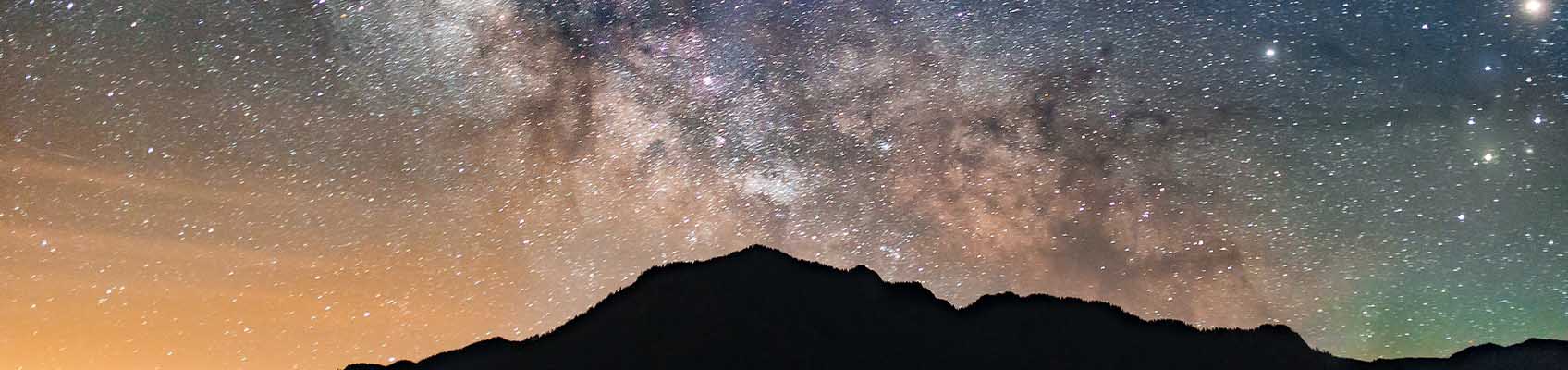
With the best cameras for astrophotography, you can capture stunning images of the night sky and even deep-space phenomena. Astrophotography is an immensely rewarding discipline, but also a challenging one, requiring patience, precision and a good level of technical knowledge.
As such, we’ve picked out the cameras that will make it a little easier for you to capture fantastic astro images. Whether you choose to shoot with the camera mounted to a telescope for deep-sky imaging, or just plan to use a tripod in your back garden, these are the best cameras to buy.
Some of the cameras on this list are dedicated astro specialists, while others are simply great camera in their own right that happen to be well-suited to shooting the stars. Read on as we help you get started with the best cameras for astrophotography…
Best Mirrorless Camera for Astrophotography

Pros:
- Optimised for astro with dedicated IR-cut filter
- Hardy, weatherproof body
- Starry Sky AF and customisable astro presets
Cons:
- Only just out (so you might have to wait!)
OM System has unveiled a stunning mirrorless camera that will no doubt go on to dominate the astrophotography space (at least, until a worthy challenger rears its head). The OM System OM-3 ASTRO is a mirrorless camera that is built entirely for star-shooting and night-sky photography. With a dedicated IR-cut filter that's optimised to enhance the transmission of Hα waves, the OM-3 ASTRO excels at capturing clear, sharp and vivid images of red nebulae.
Compatible with telescopes and equatorial mounts, the OM-3 ASTRO also benefits from astro-friendly features that OM System has honed in its other mirrorless models. Its dedicated Starry Sky AF mode enhances the autofocus' ability to capture point light sources, meaning that images of stars are sharp and clear. The in-camera High Res Shot mode allows for the stacking of high-resolution astrophotography composite images, and the weatherproof build of the camera makes it well-suited to long nights outdoors shooting the stars. Right now, this is the camera to beat for astrophotography.

Pros:
- Stunning full-frame quality
- Huge lens range with lots of fast primes
- Composite and Extended RAW modes for superior noise control
Cons:
- Not a dedicated astro camera
If you want to invest in a standard camera sytem for astrophotography, rather than a dedicated astro camera, then it's worth taking a look at the Sony full-frame range. The extensive selection of high-quality Sony E-mount lenses with fast apertures gives you enormous flexibility when it comes to building your astro setup, and a fantastic camera like the A7 V will allow you to come away from your night's shoot with some stunning images.
The full-frame sensor of the A7 V means that you won't have to contend with crop factor extending the effective focal length of a lens; this can be difficult in astro photography, as too narrow a focal length means that stars will smear more quickly. It also means that the A7 V delivers gorgeous images full of glorious detail. Plus, the new Composite and Extended RAW modes allow for the control of noise at higher ISO sensitivities, which is ideal for night-time work.
Best DSLR Camera for Astrophotography
Pros:
- Unique astrotracer system
- Body-illumination LEDs
- Good high-ISO performance
Cons:
- Big and heavy, even by DSLR standards
- Lens range not as big as Canon/Nikon
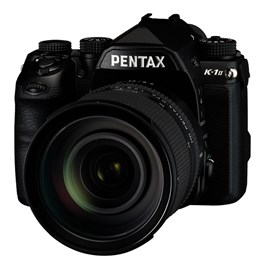
Pentaxians have something to boast about with the K-1 Mark II, and it’s something that got astrophotographers very excited indeed when it was first announced – astrotracer. This is a clever shooting mode that uses the K-1 Mark II’s GPS, compass and accelerometers to triangulate the camera’s position relating to the night sky. Then, it uses the built-in 5-axis Sensor Shift Shake Reduction system to compensate for the rotation of the Earth and track the movements of stars across the sky. With Astrotracer, it’s possible to take five-minute exposures of the night sky and get pin-point stars rather than smeared trails.
In use, the system works really well, and gives much better night-sky shots than you’d get without it. Also useful for astro shooters are the LED-illuminated body points, allowing you to see and operate the camera’s controls even in the middle of a field on a pitch-black night.
Best Medium Format Camera for Astrophotography

Pros:
- Excellent image quality with ultra-high resolution
- Retains an incredible level of detail in highlights
Cons:
- Fewer lenses available than full-frame, APS-C and MFT systems
- Not a dedicated astro camera
The Fujifilm GFX 10S0 II is a powerhouse of a medium format camera, offering exceptional image quality from its 102MP sensor. It captures an extraordinary level of detail, especially in highlights, making it an excellent choice for photographers, even in challenging low-light conditions like night-sky shooting. While its huge number of pixels might not seem ideal at first for astrophotography, the detail retention at high ISO settings will give any astro enthusiast pause. This is a professional-level camera designed for those who need the ultimate in performance and customisability, and while it is lacking in certain astro-specific modes like Night Vision or Starry Sky AF, it's the kind of camera you can really tailor to your specific needs.
The GFX 100S II's lens range is top-tier in terms of optical quality and performance. But, its selection of wide-angle lenses is limited, which isn't ideal for astro work. Despite this, if you can adapt to the narrower perspectives, the camera’s potential for astrophotography is immense.
Best Budget Camera for Astrophotography
Pros:
- Very affordable and beginner-friendly
- Wide range of lenses
Cons:
- Smaller sensor
- Might want an extra battery
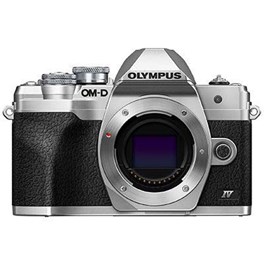
This entry-level camera naturally isn’t going to give you the same kind of results as the full-frame mirrorless shooters in our opening section – but the Olympus OM-D E-M10 Mark IV is a capable performer that’s a solid choice for learning the basics. If you’re willing to learn a bit about image stacking, you can really mitigate the disadvantage of the smaller sensor, and having access to an enormous range of lightweight Micro Four Thirds lenses gives you lots of options when it comes to crafting your setup.
The battery life is CIPA rated to 360 shots – while these estimates tend to be conservative and you’ll probably get more out of it than that, packing a spare or two for a night’s shoot wouldn’t be the worst idea in the world. The camera charges via micro USB, but be aware that it can’t be used while it’s charging.
FAQs
What are the key features to consider when selecting a camera for astrophotography?
When choosing a camera for astrophotography, consider features such as sensor size (larger is better), low-light performance (high ISO capability), manual exposure controls, long exposure capabilities, and compatibility with interchangeable lenses.
Which sensor size is best for astrophotography?
Cameras with larger sensors, full-frame and medium format, tend to perform better in astrophotography due to their ability to capture more light and detail, resulting in reduced noise and improved image quality. However, it is possible to capture stunning astro images using APS-C or Micro Four Thirds-sized sensors.
What is the importance of ISO range in astrophotography cameras?
A wide ISO range is crucial for astrophotography as it allows you to adjust sensitivity to light. Cameras with higher ISO capabilities produce clearer images in low-light conditions, common in astrophotography settings.
Can I use a smartphone for astrophotography?
While smartphones have improved their low-light capabilities, dedicated digital cameras or DSLRs with larger sensors and manual controls are generally better suited for astrophotography due to their advanced features and image quality.
Do I need a camera with long exposure capabilities?
Yes, long exposure capability is essential for capturing faint celestial objects and creating stunning star trail images. Look for cameras that allow exposures of several minutes or even hours.
What types of lenses are recommended for astrophotography?
Wide-angle lenses with low f-numbers (wide apertures) are ideal for astrophotography, as they capture more light and a broader field of view, allowing you to capture the night sky and its intricate details.
Can I use a camera with a cropped sensor for astrophotography?
Cameras with cropped sensors (APS-C, Micro Four Thirds) are still capable of producing excellent astrophotography results. They might require wider lenses to capture the same field of view as full-frame cameras.
How does the camera's resolution affect astrophotography?
Higher resolution cameras capture finer details in celestial objects, but this might also lead to larger file sizes. Balancing resolution with other factors like sensor size and noise performance is essential for optimal astrophotography results.
How do we decide?
Our in-house photography specialists, store staff, and industry partners work together to review our buying guides and advice articles. We also monitor emerging trends and listen closely to customer feedback, ensuring our recommendations stay current and relevant to what photographers and filmmakers are actually looking for.
By carefully curating the products we recommend, our guides are designed to offer clear, trustworthy advice that helps customers choose the right kit with confidence.
If you would like further advice, our contact centre team are here to help. You can also reach us via email or social media. And remember, if you purchase based on our recommendations, your order is covered by our full returns policy.
The Wex Blog



Sign up for our newsletter today!
- Subscribe for exclusive discounts and special offers
- Receive our monthly content roundups
- Get the latest news and know-how from our experts