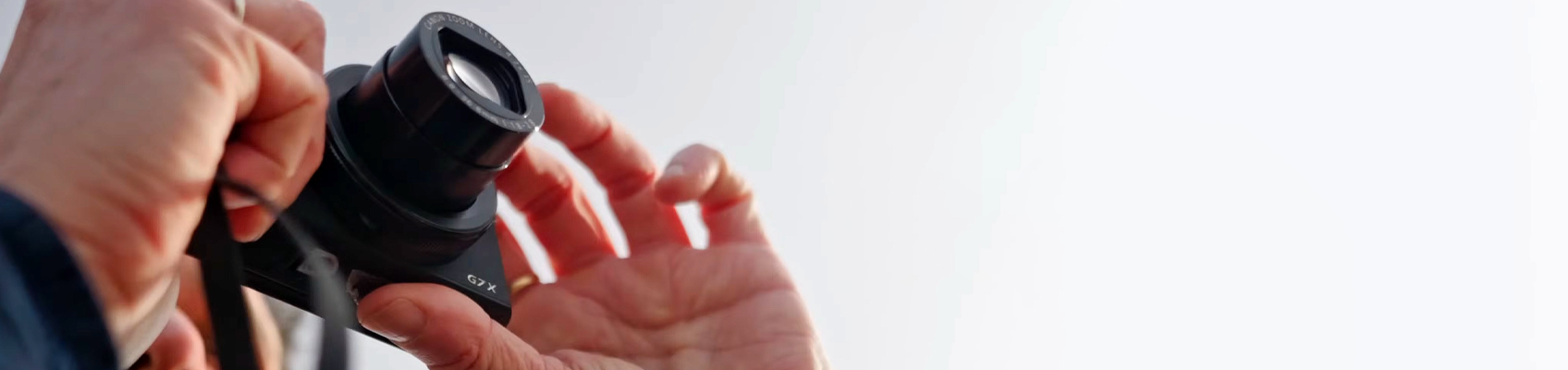
Released nearly seven years ago, the Canon PowerShot G7 X Mark III has experienced a resurgence in popularity recently, in part due to social media. It’s rare to see a camera as old as this practically selling out everywhere, so we’re here to find out if it still holds up in the ever-competitive compact/vlogging sector in 2026.
First things first: what type of camera is the G7 X Mark III? I’d call a fixed-lens zoom compact hybrid camera, which does sound like a bit of a mouthful. An easier way to describe it would be as a vlogging hybrid. Back in 2019, when it was released, it packed a punch – a 1-inch sensor, a fantastic and fast f/1.8–f/2.8 zoom, flippable screen and 4K video. It also had pretty decent IBIS performance and AF with Face Detection – quite a lot of bang for your buck in 2019.
Canon PowerShot G7 X Mark III: In use
So, this is a seven-year-old camera with decent specs. But numbers are just numbers, so let’s see how the camera performs.
Resolution and sensor
Not everyone is like me, but resolution is the first thing I look at when a new camera is released – I guess you could call it a behaviour left over from the first days of digital tech, when getting good detail was everything. The G7 X Mark III gets a healthy 20.1 MP from its 1-inch type sensor – I’d say this is a good amount to balance the performance of the sensor between resolution and low-light ability, whilst keeping the images looking natural.
As for the sensor itself – well, we were treated back in 2019 to a BSI (back-side illuminated) sensor, which in layman’s terms basically means higher-speed data readout for faster continuous shooting and 4K video without cropping. This, paired with the Digic-8 processor, is what allows this tiny camera to do so much and at such super-fast speeds.

Lens
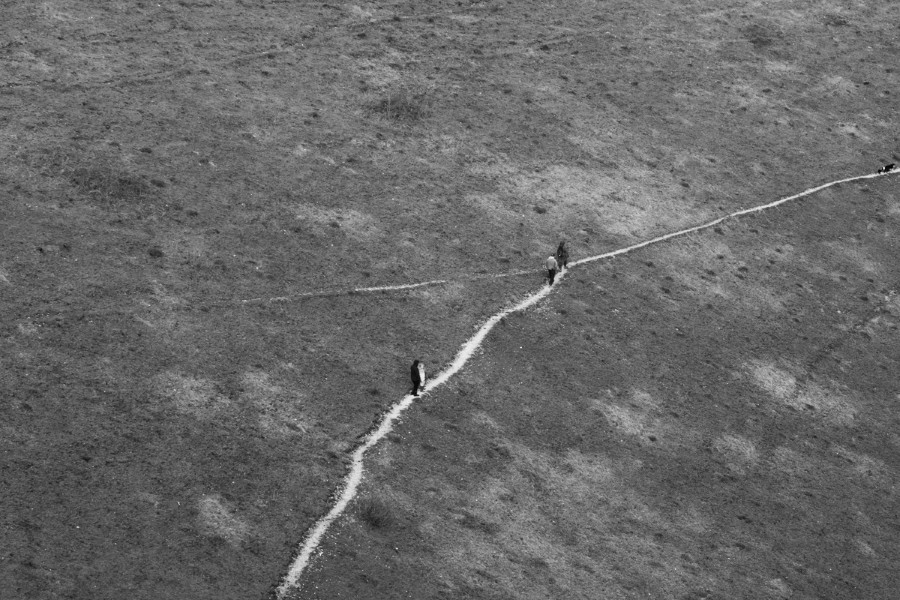
With an effective focal length (in full-frame terms) of 24-100mm, the G7 X Mark III hits the sweet spot in terms of size, usability, and speed. More often than not, with compacts priced under £1000, the fixed lens can sometimes be somewhat underwhelming – it’s often too slow, or provides too much zoom with lacklustre quality at the long end.
Not so with the G7XIII – the quality is excellent across the range, with the sweet spot being somewhere in the middle between 35 and 50mm. In terms of speed, we don’t have a fixed aperture across the zoom range, but we have the next best thing – a fast variable aperture between f/1.8 and f/2.8. As far as the zoom range itself goes, Canon has done a great job of giving us the perfect range between reasonably wide and short telephoto. It’s excellent for portraits, or for when reach is needed to capture a subject our feet can’t quite take us to.
Autofocus
The G7 X Mark III is by no means an AF wizard, something that more recent Canon cameras have become known for. That doesn’t mean that it’s no good – we have to give the little compact its due. After all, a camera with this intended purpose is not designed to compete with semi-pro or pro-level autofocus. The G7 X Mark III has 31 AF points, all of which are contrast-detect. Now, that may not seem like much, but for the type of shooting you are likely to do with this camera, I found it to be adequate – even in 2026. Sure, contrast-detect AF systems will “hunt” for focus more than phase-detect systems, but in good light, I found the G7 X Mark III to be sure-footed and speedy when it came to AF.
Better still, the camera offers AF modes like Face and Tracking, as well as 1-point AF – which is moveable – and Spot AF. Further to this, it also offers servo AF modes, meaning it will continue to track your subject without you having to press the shutter. And for those of you who prefer a more interactive rear screen, the G7 X Mark III offers Touch AF via the touchscreen rear panel.
In video mode, however, things get a little less confident, with the G7 X Mark III’s contrast-detect AF showing its age. If you are vlogging and are either static or moving while holding the camera, it does perform pretty well, proving to be able to stay locked on your face. However, if you expect to do a lot of moving further from the camera and then closer again, the AF is susceptible to hunting for focus.

IBIS
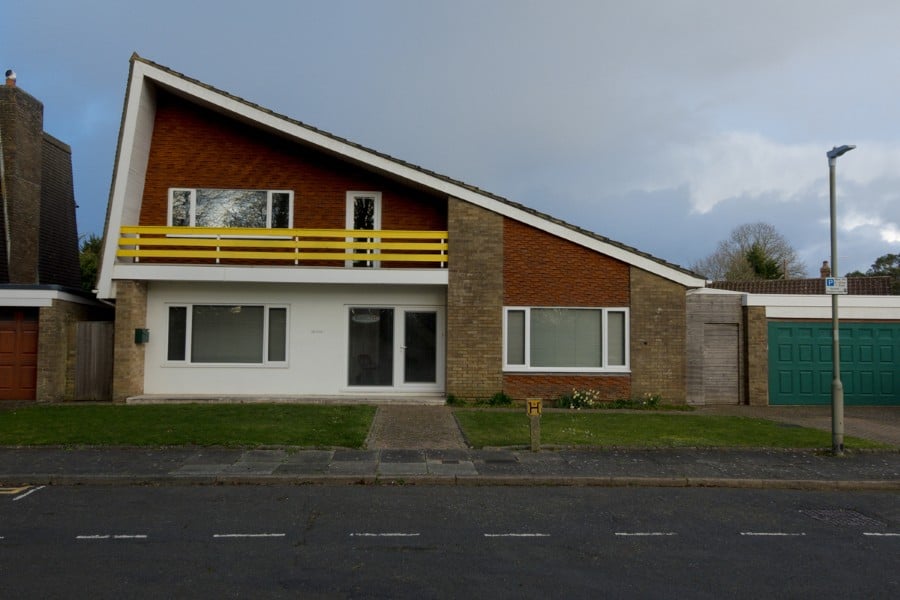
The camera has no IBIS (In-body image stabilisation) – instead, it has the older OIS (optical image stabilisation) within the lens. This system provides adequate compensation and helps with keeping things steady, especially when using the top of the zoom range. However, don’t expect the kind of compensation wizardry you might expect to find on modern cameras to the tune of six or seven stops. The most I could muster was about four stops, which equates to an exposure of about 0.5 seconds on the widest end of the zoom range.
Burst mode/shooting speed
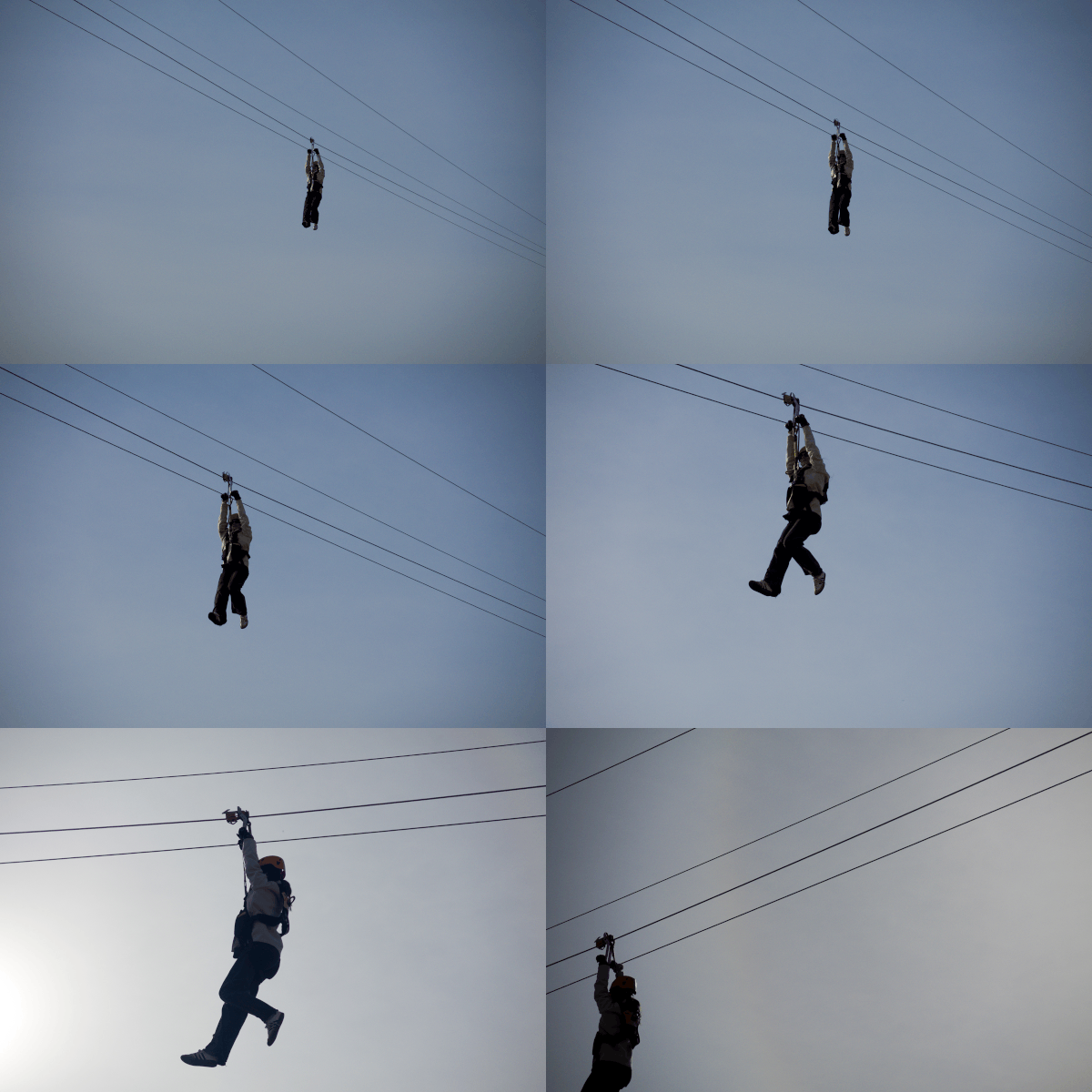
Whilst the G7 X Mark III is by no means intended as a fast shooter, it does a pretty good job of capturing fast-moving objects quite well. With a standard burst speed of 8 frames per second using AF and Auto exposure, it can keep up with little ones running in the back garden, or any reasonably fast-moving subject you might want to capture. You can speed that up to 30 FPS in its RAW burst mode – however, you will lose autofocus, meaning you will have to preset it before shooting.
Video/vlogging
Impressively for 2019, the G7 X Mark III offers 4K video up to 30p (24p and 25p included) as well as 50p/120p slow-mo in Full HD 1920x1080. Even in 2026, I find these specs to be decent and would find it hard to justify the need for anything more for basic vlogging on the go. If, however, you are more studio-based and would prefer to light your set, you might be swayed by a more modern camera with at least 10-bit and 4:2:2 colour – something that simply was not available back when the G7 X Mark III was released. I found the slow-mo to work well – however, there is a noticeable softness to the image it renders. It’s by no means unusable, but you might want to use it sparingly.
By far the best feature of the camera, though, is the rear-facing screen, which flips all the way back so you can see yourself filming. I found this feature incredibly useful and loved the fact that it flips up rather than pivots to the side. It means you can make changes and quickly use the screen to activate Touch AF should the camera misbehave and hunt for focus. Adding a small handle to the tripod thread makes this a fantastic and super-compact vlogging unit, whether you’re out and about for the day or travelling.

Handling/controls
In terms of handling, the G7 X Mark III doesn’t disappoint. The real highlight here is once again, the flippable rear screen, which as mentioned, is also a touchscreen. This means that whilst vlogging or in selfie mode, you can see what you’re filming and can make quick adjustments to focus or framing. Invaluable, in my opinion.
Elsewhere, the controls are great, with aperture control right on the lens itself and everything else where you might expect and want it. The contoured grip is great, so even though you’re likely to use the camera with at least a wrist strap, it is very comfortable and secure in hand. It also has an input for a mic, meaning you can add a better microphone when vlogging.
It also offers a pop-up flash, which is a fantastic addition when you’re caught out in low light, or if you are using the camera for point-and-shoot style images at a party or gathering.
Finally, there’s the lack of a viewfinder, which for some is a problem, for others not so much. I’m quite old-school and would have loved to have seen one, but then we have to appreciate that for many users, this won’t be an issue, as they are likely to simply use the rear LCD. This is a very personal thing and entirely up to you and how you shoot.


Final thoughts
So who is this camera for? Well, it’s no surprise that the G7 X Mark III would suit someone who is interested in self shooting and vlogging. The camera, with all its thoughtful features, is quite geared towards that. The G7 X Mark III's equally appealing for those who want something robust with a decent zoom range that they can throw in their bag or pocket, confident that it will withstand the rough and tumble of everyday life or travel.
The best thing about the G7 X Mark III is that even though it has been a few years since its release, it stands the test of time and is still totally relevant and a viable option in 2026.

Watch Ian's full video review here:
About the Author
Ian Howorth is a photographer and Wex Photo Video’s Product Content Manager. He creates and presents expert guides, reviews, and tutorials across Wex’s platforms, including YouTube, helping our community of photographers get the most from their kit. In his free time, Ian's photography focuses on capturing everyday moments with an eye for detail.



Sign up for our newsletter today!
- Subscribe for exclusive discounts and special offers
- Receive our monthly content roundups
- Get the latest news and know-how from our experts