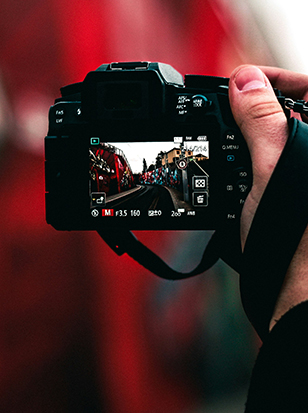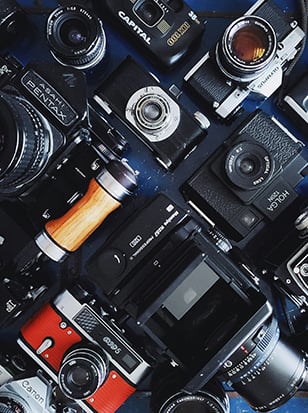
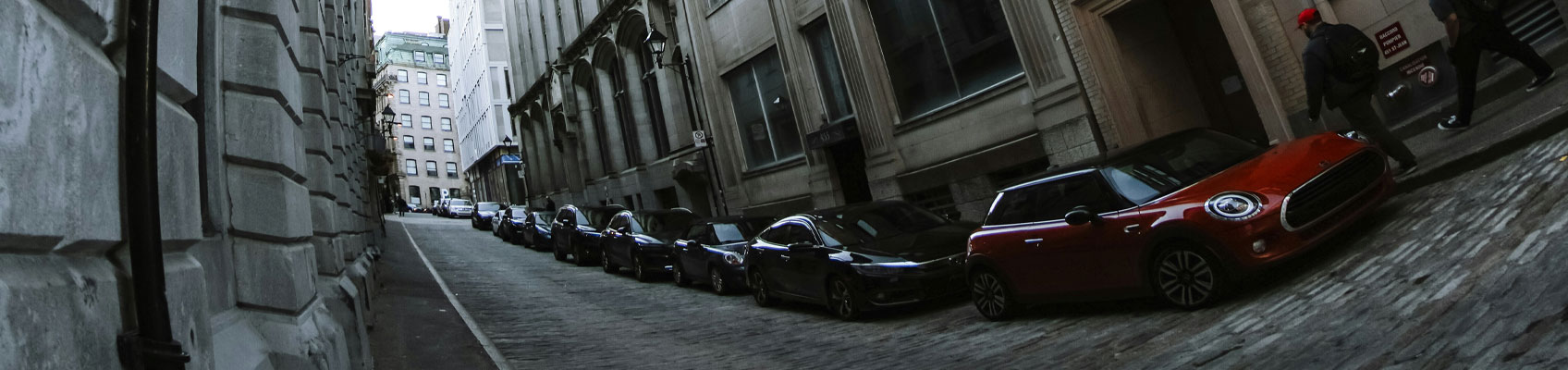
In photography, as in any creative pursuit, it can be easy to get into a rut. Sometimes, shooting the same old things with the same old gear can get a bit stale, and before we know it, our cameras have sat untouched on the shelves for months. When that happens, it’s time to kickstart your creativity and do something different.
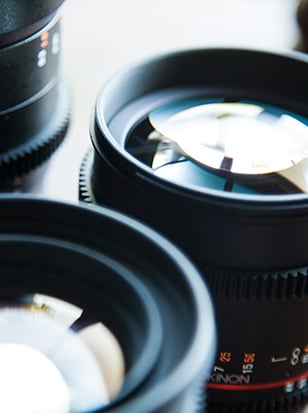
I think a brilliant means of doing this is with a lens in an unusual focal length. Getting away from your 50mm, 35mm, 28mm and 24-70mm lenses gives you a whole new perspective, literally, and forces you to re-engage your brain as you figure out how to make new images under these challenging new constraints. Unusual lenses have fewer so-called rules than the more common ones, meaning you won’t feel pressured to use them in a certain way. And what’s more, many of these lenses are brilliantly affordable, so you can get experimental without breaking your budget.
Here are a few of my favourite niche lenses in unusual focal lengths, available for a range of systems…

Mounts: Sony E, Canon RF, Leica M
Street shooters will often argue the merits of 35mm versus 50mm as the optimal lens for their genre of photography. But there’s a secret third option: a 40mm! This less common focal length splits the difference brilliantly between the two, providing a slightly wider field of view than a 50mm, and a slightly compressed perspective compared to a 35mm. There’s a reason that Ricoh gave the GR IIIx, its street-shooting compact, a 40mm equivalent focal length! It keeps things naturalistic while still allowing you to fit plenty in the scene. If you’re tired of shooting at 50mm, it’s definitely worth a try.
Many manufacturers offer 40mm lenses, but one I particularly admire is the Voigtlander 40mm f1.2 Nokton Aspherical, which brings an F1.2 aperture into play for low-light shooting and dreamy bokeh. It lets you get to close shooting distances of 30cm, and provides a tactile manual focusing experience on Sony E and Canon RF bodies. And if you’re a Leica M user, there’s a Mark II version with an upgraded optical structure, delivering even greater image quality!
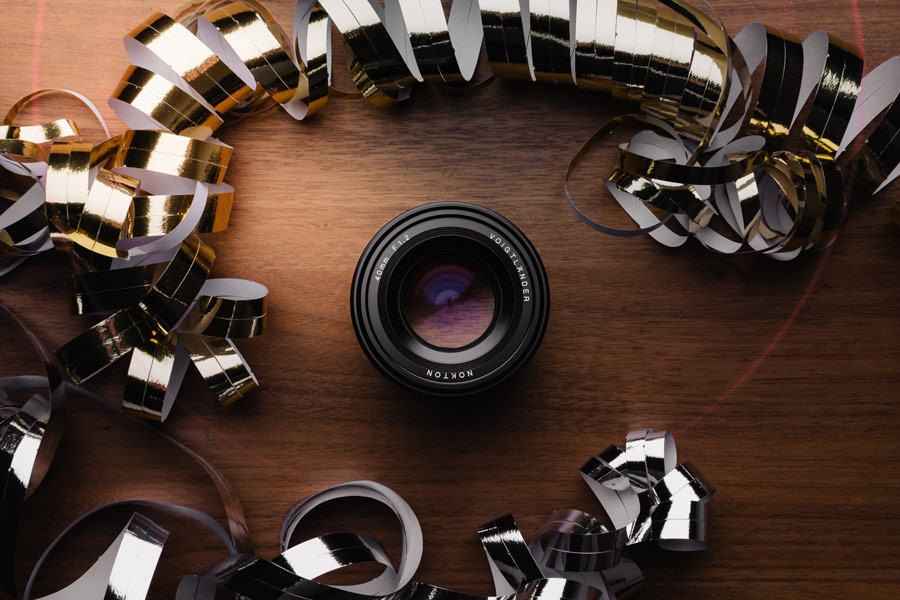 Image Credit: Voigtländer
Mounts: Sony E, Fujifilm X, Nikon Z, L-mount, Canon RF, Canon EF-M
If you’re looking to spark some creativity in your photography, a fisheye is a fantastic option. Many photographers dismiss them entirely, feeling them to be gimmicky and too restrictive, but I think a fisheye lens is a brilliant way to break out of a creative rut and try something new. The inexpensive Laowa 4mm f2.8 Circular Fisheye Lens is an ideal choice, as it’s available for a host of lens mounts.
As soon as you attach the Laowa 4mm fisheye, the huge 210° angle of view forces you to think differently. You can fit huge scenes entirely into your frame, and get super-close to subjects (the close focusing distance is just 8cm) for a hugely exaggerated perspective. The quality of the lens also holds up well enough that you can crop in and de-fish the image to produce something that looks more like a standard photograph, meaning you can pick and choose the most crucial elements of an image from the wide scene. A tiny lens that’s easy to take everywhere, the Laowa 4mm f2.8 Circular Fisheye is a great way to give your creativity a boost.
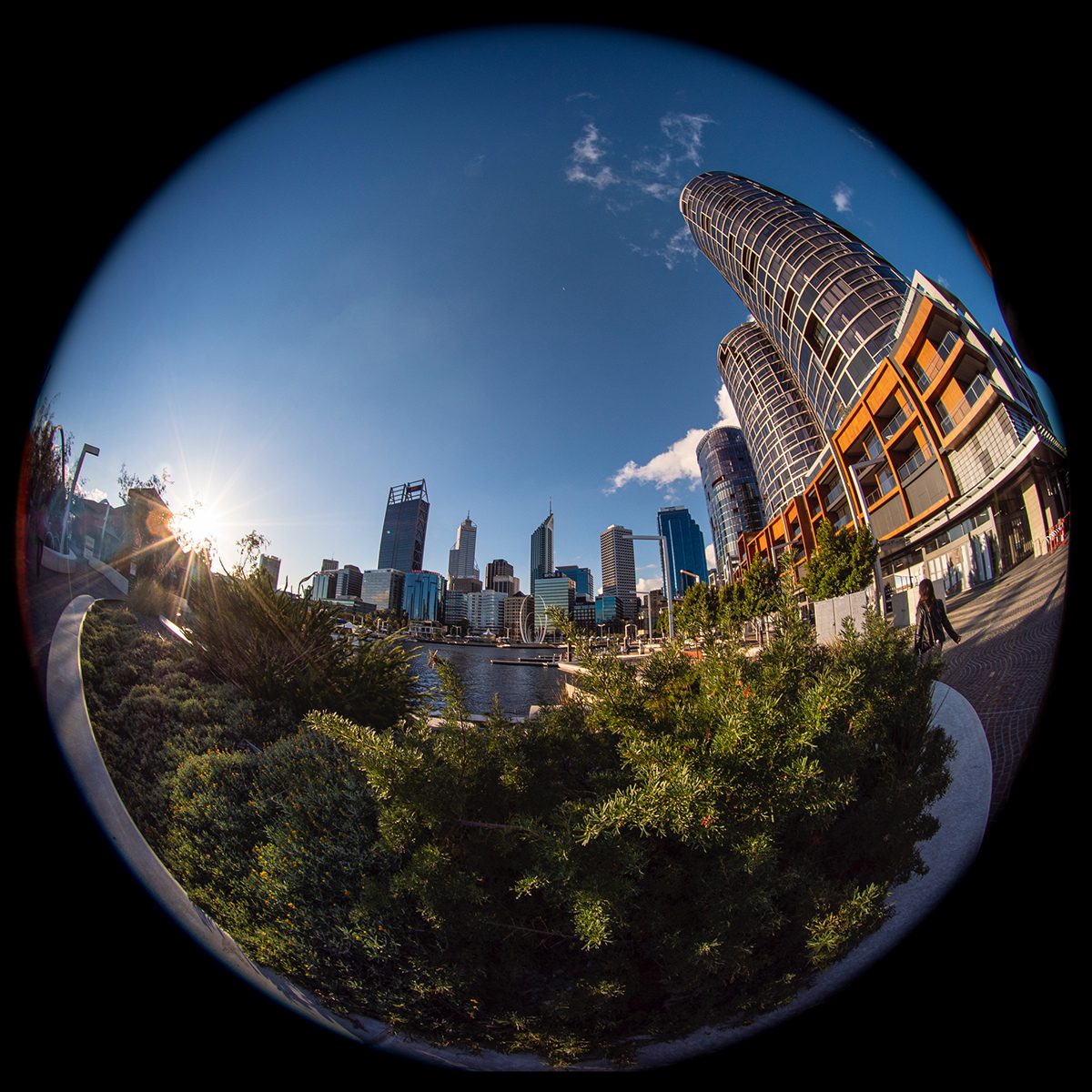
Image Credit: © Steve Chan (DSI production), VenusLens.net
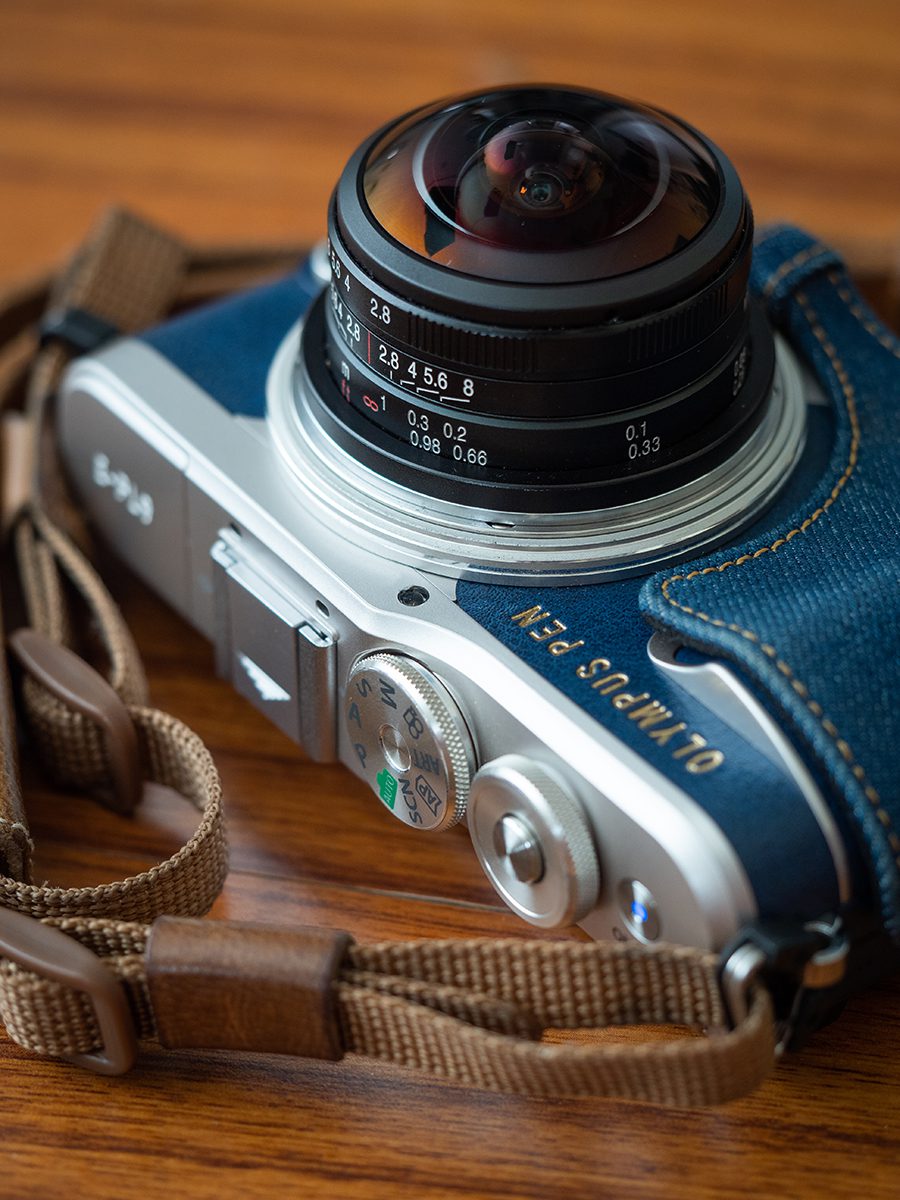
Image Credit: © Ricardo Huang, VenusLens.net

Mount: M42 (adapters available for many major mounts)
This telephoto prime draws attention for its unusual focal length, but also has several other interesting qualities. It’s a manual focus lens, meaning you’ll need to engage with precision in order to deliver sharp results, and it also creates unusual “doughnut” or ring bokeh in the defocused areas of images. This is because it’s a mirror lens, also known as a reflex or catadioptric lens, a formerly common design of lens that uses a series of mirrors to produce a long telephoto effect in a short space (it’s still commonly used in telescopes). As such, the TTArtisan 250mm f5.6 M42 Mount Reflex Lens weighs just 380g, but when mounted to an APS-C camera, can reach a focal length of 425mm.
The lens comes in the M42 mount for SLRs, which can easily be adapted to fit many other systems. Urth offers M42 converters for Sony E, Pentax K, Fujifilm X, Canon RF, Nikon Z, Micro Four Thirds, and a host of other mirrorless and DSLR mounts, meaning this lens should be able to find a home in any system. It’s also inexpensive for such a far-reaching lens.
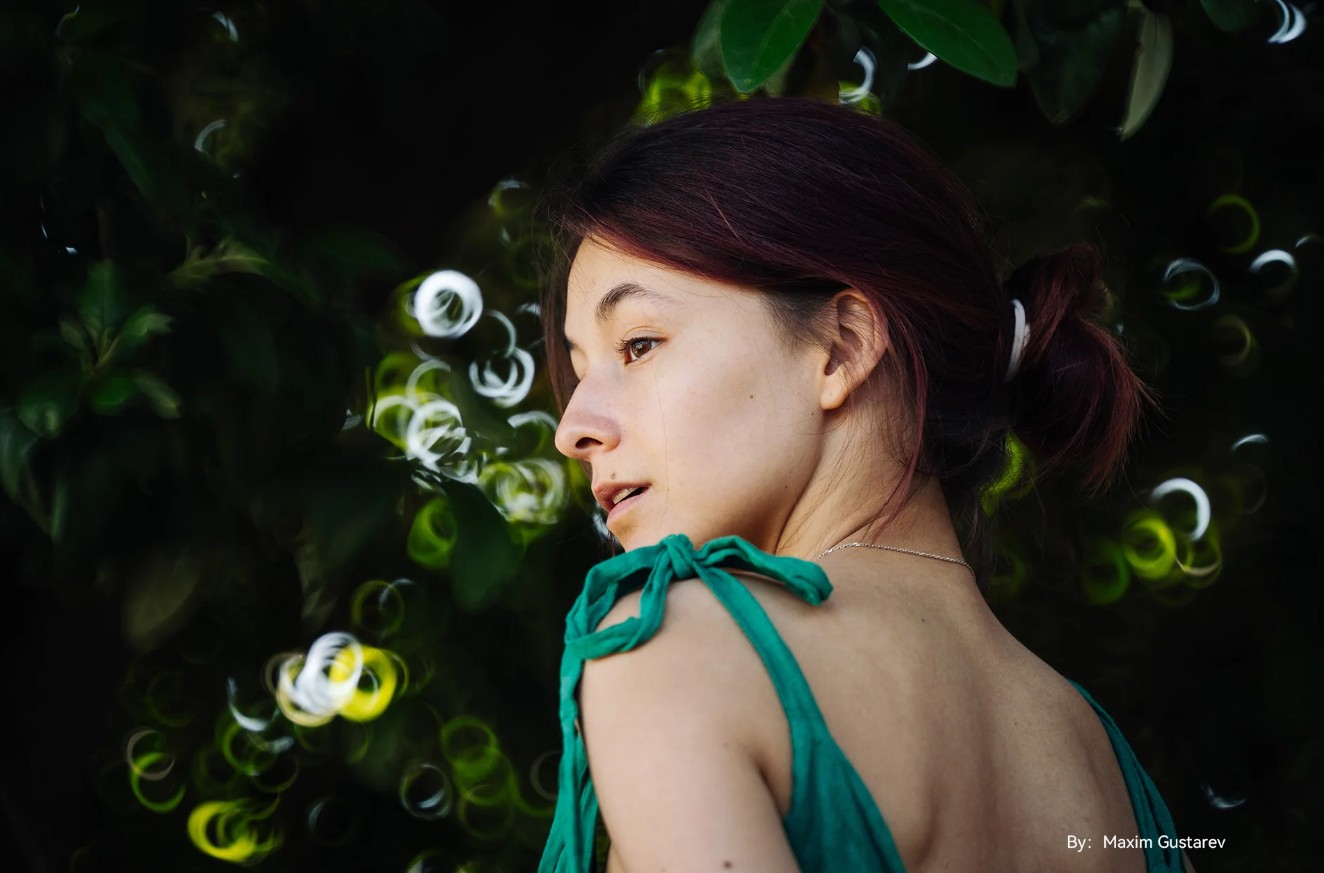 Image Credit: ©-Maxim-Gustarev, TTartisan
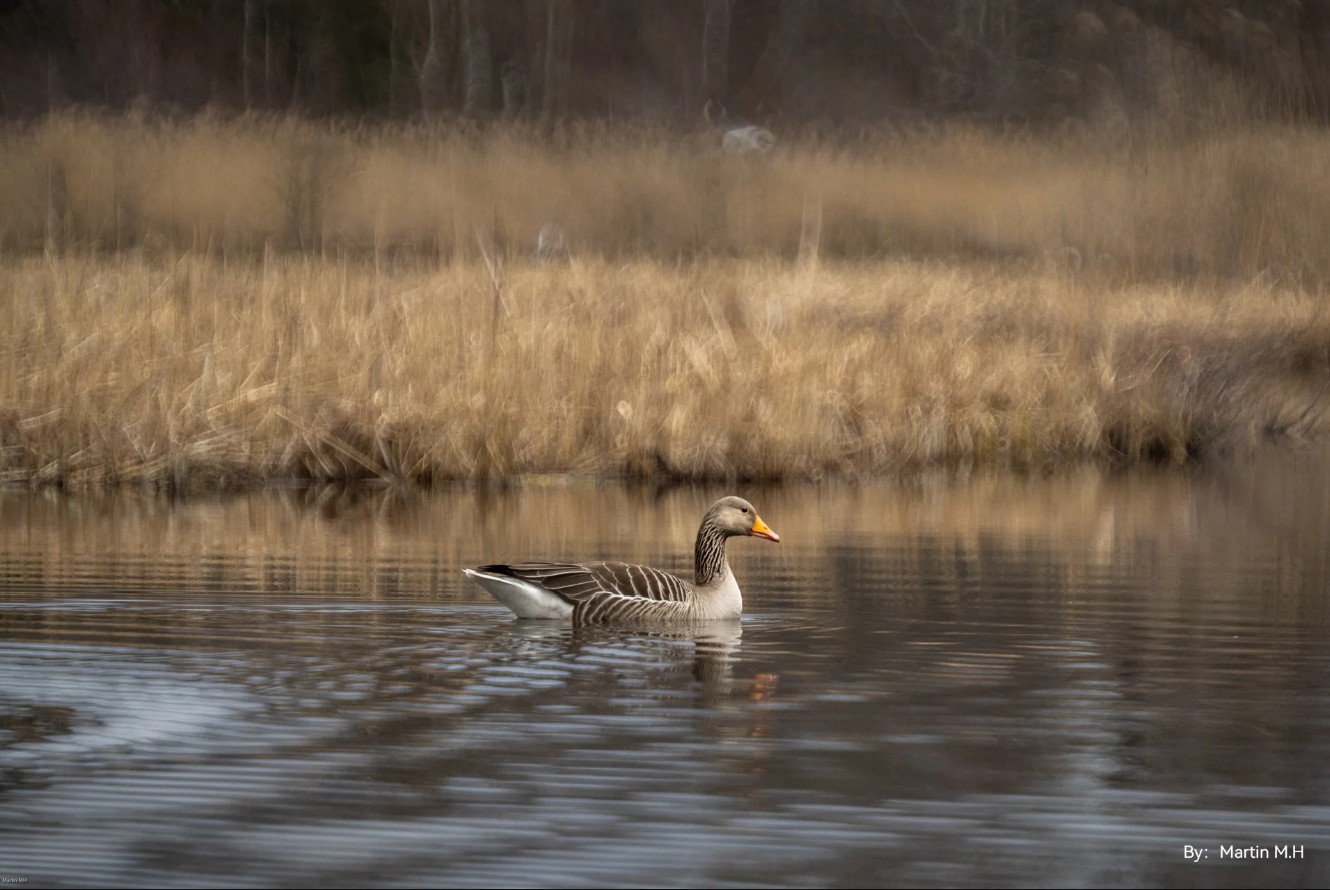
Image Credit: ©-Martin-M.H, TTartisan

Mounts: Canon RF, Sony E, L-mount, Nikon Z
I love this lens from Laowa, which certainly earns the title of “Ultra Macro” thanks to its whopping 2x magnification factor. This means it renders objects at double life-size on the camera’s sensor, allowing you to get a truly staggering level of detail on even the tiniest subjects. An inexpensive way to turbo-charge your macro photography, the Laowa 58mm f2.8 2X Ultra Macro APO is available for a few mirrorless mounts, and is designed for use on full-frame cameras.
The focal length of 58mm immediately draws attention. It’s a wider angle of view than is typical for dedicated macro lenses, which tend to cluster around 100mm. It allows you to fit more in the frame, and pairs well with the lens’s close focusing distance to allow you to really fill images with your subject. It’s a manual lens, and its focusing mechanism is entirely internal, so you don’t have to worry about it interfering with subjects even when you’re up super-close.
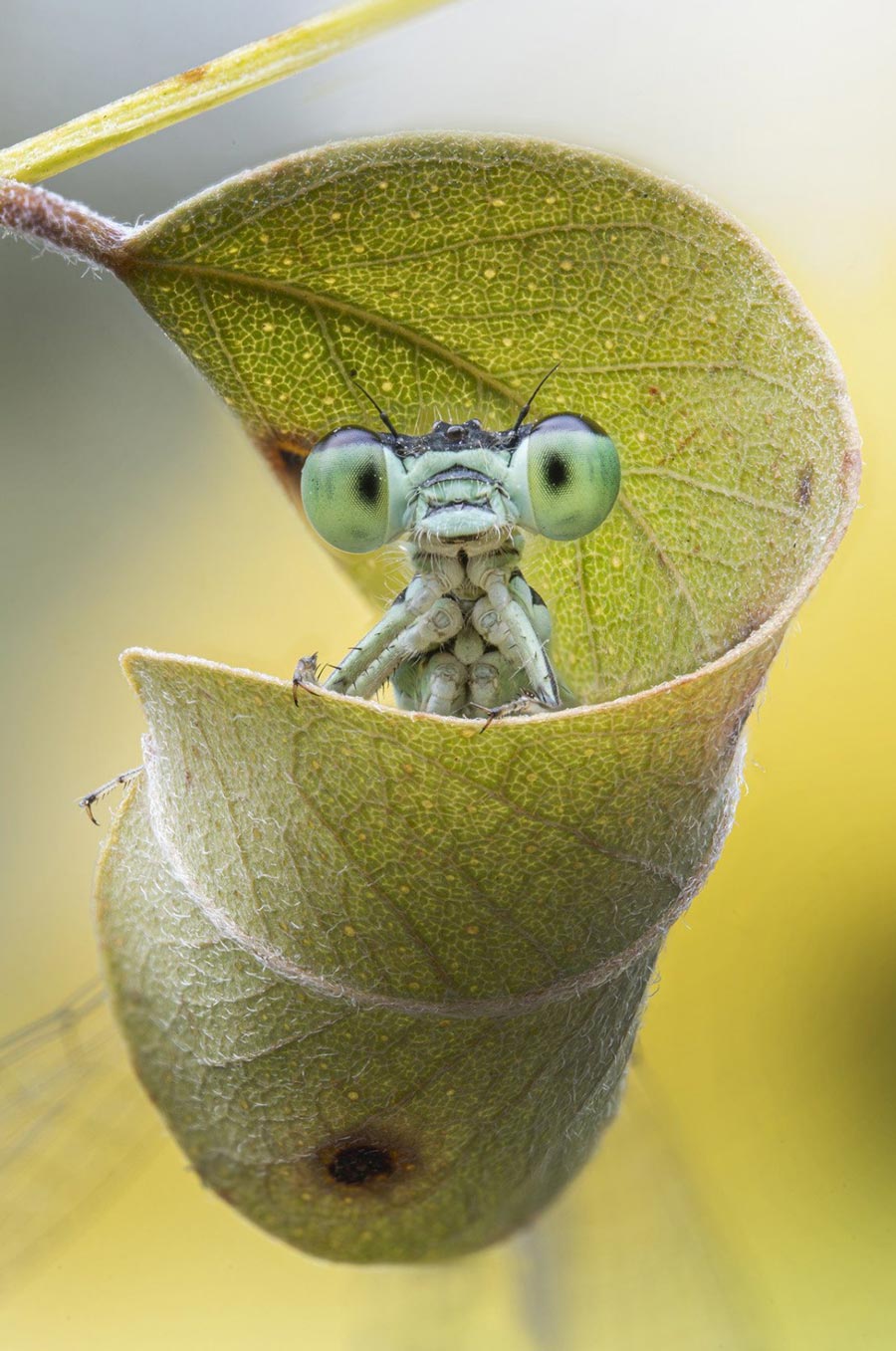
Image Credit: © Alberto Ghizzi Panizza, VenusLens.net
About the Author
Jon Stapley is a London-based freelance writer and journalist who covers photography, art and technology. When not writing about cameras, Jon is a keen photographer who captures the world using his Olympus XA2. His creativity extends to works of fiction and other creative writing, all of which can be found on his website www.jonstapley.com

The Wex Blog



Sign up for our newsletter today!
- Subscribe for exclusive discounts and special offers
- Receive our monthly content roundups
- Get the latest news and know-how from our experts