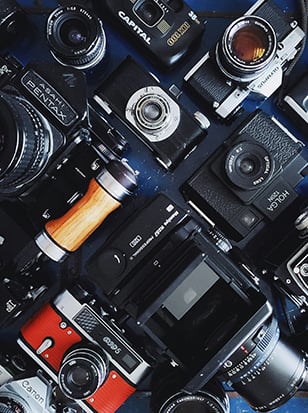
It’s not news to anyone that over the last few years, film has experienced a resurgence, with many people dusting off grandad’s old SLR to get in on the action. With this resurgence has come an uptick e in the purchase of old film cameras – from big medium format behemoths like the Mamiya RZ67 to old favourites like the Canon AE-1 and Yashica point-and-shoots. However, this increased demand has served to hike up prices, helped along no doubt by influencers like Kendall Jenner flashing her Contax T2 on the red carpet.
So although the scale of film stock production has succumbed to the digital revolution over the last 20 years, we’re still seeing a fair amount from the likes of Kodak, Fujifilm and Ilford, with even some new film stocks being released in the last few years. But what about the cameras?
At the moment, aside from a few boutique options in the larger formats, and how could we forget Pentax’s 17 released last year, where does this leave 35mm, once the mainstay tool in the photography landscape? Please correct me if i’m wrong, but even as sales of film increase in line with the interest in film photography, why aren’t we seeing a new camera being released from the big brands – Canon and Nikon?
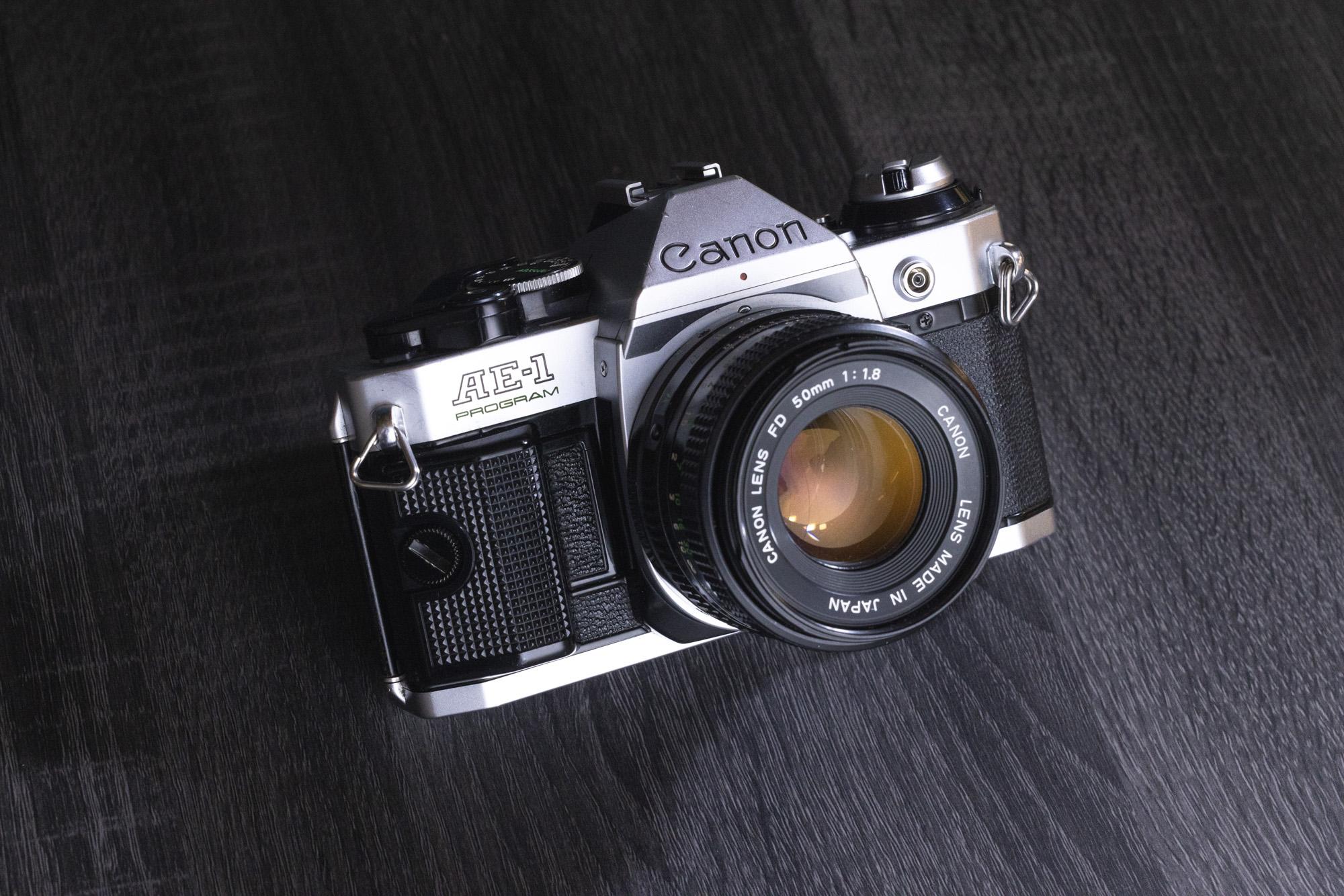
With a seemingly never-ending supply of Canon AE-1s (six million were made by Canon) as well as Nikon FM2s and FEs, and many from Pentax and Olympus too – there isn’t exactly a shortage of these cameras when you take a look at the classifieds. But many of these are 30, 40, sometimes 50 years old. Long in the tooth? Just a little.
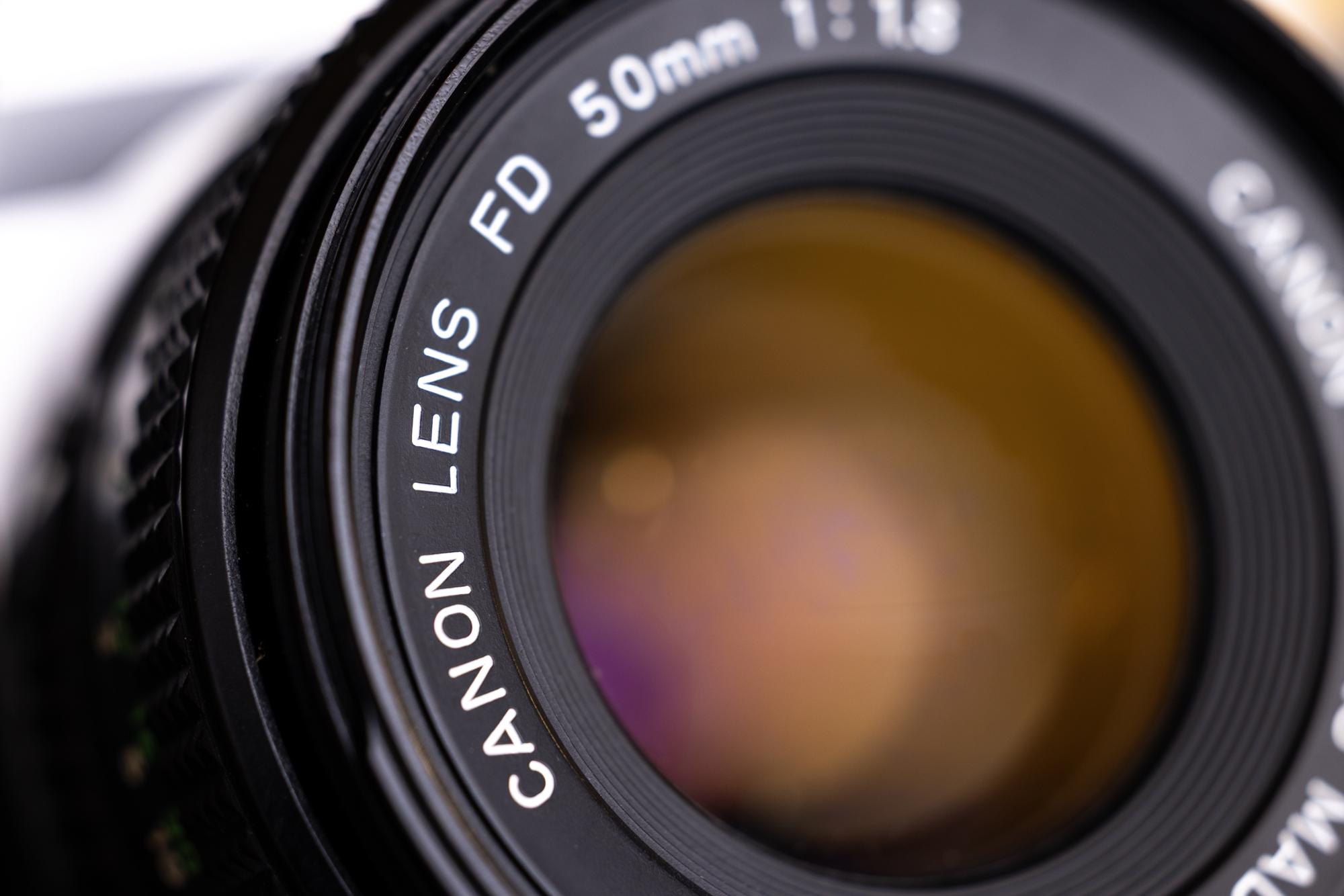
But this in itself is the answer. At the moment the market is in balance. Between the popularity of digital cameras — due to their technological superiority and convenience— and the cost, both in manufacture and R&D, of producing a new 35mm film SLR, a manufacturer who did so would likely not be able to compete with the used market. While many of us live in fear that our 35mm film camera will one day croak, the truth is, this fear is irrational, as the cost of replacement is cheap, and doing so is as easy as just opening up an app and waiting for the postman to arrive. A Canon AE-1 in good condition with the excellent 50mm f/1.8 FD lens will set you back little more than £100. It simply wouldn't be possible for Canon or Nikon to compete with that if they chose to release a new camera.

But that isn't the end of it. R&D and manufacturing costs aside, the economies of scale simply aren’t there. Film photography is still a niche market. Us photographers sometimes can’t see the wood for the trees when it comes to our hobby. Back in the film days, EVERYONE bought a film camera, from working professionals to your grandparents when they wanted to document a holiday. If and when they upgraded, they would buy another film camera — likely from the same company. Now, however, the likelihood is that a company producing an SLR would offer just one camera at best — and once it's bought, that's it. There would be nowhere else to go.
Even with the ongoing support of Kodak and Ilford keeping film production going, it has been touch and go for some time. Fujifilm ceasing to produce many lines over the last few years, and even Kodak experiencing issues recently, have left many in the industry confused at what seems to be a slightly unstable market.

So can film survive long-term? Yes! The motion picture industry helps keep film afloat and well-funded (Christopher Nolan shot over two million feet of film for his upcoming movie, The Odyssey). And that is the crux of the matter: film cameras need film, and the producers of cameras don’t make film, so there has to be a reliance on the producers of film to keep production going. That keeps the machine well-oiled for now.
However, between cameras getting older and failing, and the repair technicians getting older and retiring, we also need a third component. A new generation of people to fix cameras as the previous generation passes the baton. This is where things get interesting; my heart says that film is too precious for it to go the way of the dodo and as mentioned before, the motion picture industry agrees. But it would take a severe shortage of film cameras, which would in turn drive second-hand market prices through the roof, for it to make sense for the large manufacturers to take the punt on a new camera. I mean, would you spend £700 on a brand new Nikon film camera when you can get an old FM2 for £150? Maybe you would, but most wouldn’t.
Film cameras are hardy things. The AE-1 wasn’t even a pro-level camera, and yet many are still going strong. Cameras like Nikon’s F and F2, not to mention the millions of Leicas still being used (and serviced by Leica), are incredibly robust and made to take the rough and tumble life of a professional photographer. So, while the excitement of a new 35mm film SLR might not be something that will happen anytime soon, we can take solace in the fact that the trusty old beaters that have been serving us well all this time will continue to do so for many years to come.
About the Author
Ian Howorth is a photographer and Wex Photo Video’s Product Content Manager. He creates and presents expert guides, reviews, and tutorials across Wex’s platforms, including YouTube, helping our community of photographers get the most from their kit. In his free time, Ian's photography focuses on capturing everyday moments with an eye for detail.
The Wex Blog



Sign up for our newsletter today!
- Subscribe for exclusive discounts and special offers
- Receive our monthly content roundups
- Get the latest news and know-how from our experts