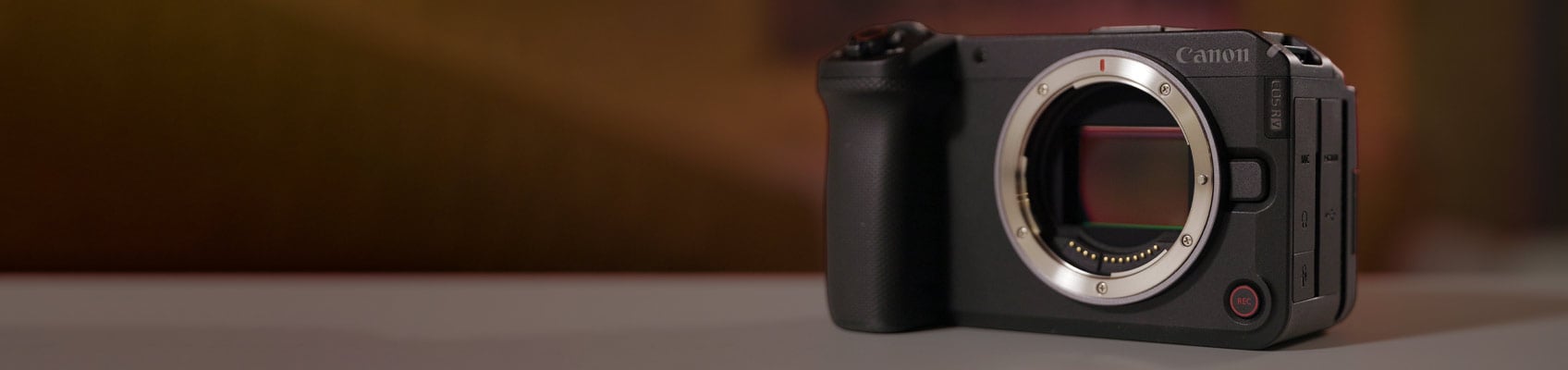
Canon’s hybrid camera range just got a little more interesting with the EOS R6 V. This is a camera that shares plenty of technology with the EOS R6 Mark III and Cinema EOS C50, seemingly filling the gap between content creator and professional filmmaker, with its high-end video performance, compact build, and slew of content-creator must-haves.
It’s worth noting we had early hands-on with a pre-production unit, meaning we couldn’t heavily test it, and some elements may still change before final release.
That said, let’s take a look at the Canon EOS R6 V top-line specs:
- 32.5MP full-frame sensor
- 7K Open Gate RAW
- 4K recording up to 120p
- Up to 180fps recording in 2K and Full HD
- Uncropped 4K 60p livestreaming
- C-Log2 and C-Log3 support
- 15+ stops of dynamic range
- Dual-gain ISO with base ISO 800 and 6400
- Dual Pixel CMOS AF with subject detection
- In-body image stabilisation up to 6.5 stops
- Vertical shooting support with dedicated mounting thread
- Front-facing record button for self-shooting
- Fully articulating touchscreen
- Full-size HDMI output
- USB-C connectivity with livestreaming support
- 3.5mm microphone and headphone ports
- Dual card slots (CFexpress Type B + UHS-II SD)
What can this camera do?
The R6 V takes the 32.5MP full-frame sensor found in both the R6 Mark III and C50, including the same dual-gain ISO, with base ISO values at 800 and 6400, helping maintain cleaner footage across different lighting conditions.
The EOS R6 V offering 7K Open Gate RAW recording at up to 60p immediately places it into a much more serious filmmaker-camera category than your average creator camera. Open Gate recording uses the full sensor area, giving filmmakers more flexibility for reframing, vertical crops and delivery across multiple platforms. Alongside that, the camera can shoot 4K at up to 120p and up to 180fps in 2K and Full HD for slow-motion video.
The R6 V can also livestream in uncropped 4K 60p, meaning full-frame lenses retain their intended field of view without that frustrating crop factor that occurs otherwise.
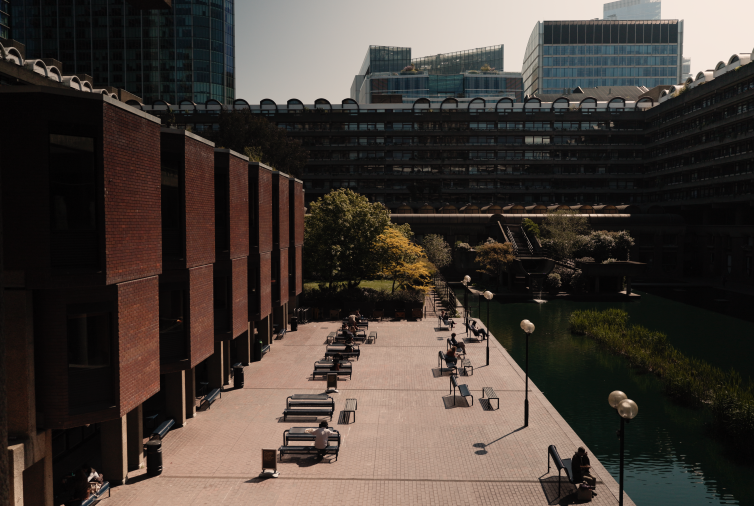
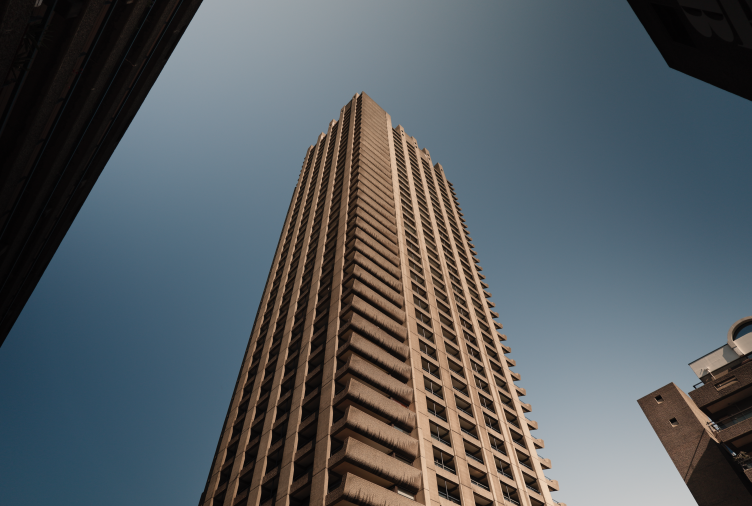
It has 15+ stops of dynamic range, and C-Log2 and C-Log3, which all allow for much greater flexibility in grading and colour matching, as well as allowing you to better retain details in shadows and highlights.
Autofocus, unsurprisingly, is one of the strongest features. Canon’s Dual Pixel CMOS AF system continues to be one of the most reliable autofocus systems available, and it’s made even better with the same subject-detection technology as the R6 Mark III. That means intelligent tracking for people, animals, vehicles, trains and aircraft, with seamless transitions between stills and video shooting.
During testing, the camera had no trouble locking onto people, quickly identifying subjects and maintaining focus as they moved through the frame. Even in slow-motion modes, the autofocus performance was solid.
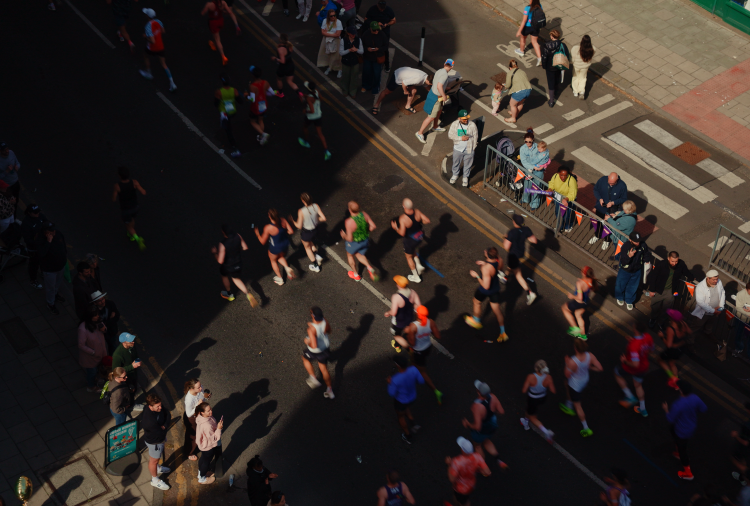
The R6 V features in-body image stabilisation up to 6.5 stops, which is an advantage over cameras like the EOS C50, which does not include IBIS at all. This is brought over from the EOS R6 III, and a great feature to have in a run-and-gun camera with pro-level video specs, which is also compact enough to pack away easily.
Our filmmaker, Sam Ebdon, filmed the following monologue of Women Beware Women, Act 1, Scene 2, performed by Lucy Allen. This was shot entirely on the Canon EOS R6 V, and really demonstrates the flexibility of the dynamic range and stunning quality of footage this camera can capture.
Designed for convenience
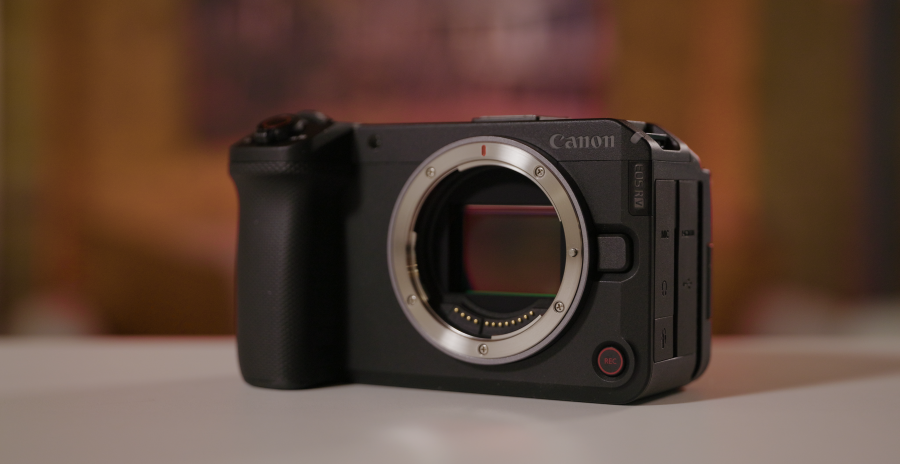
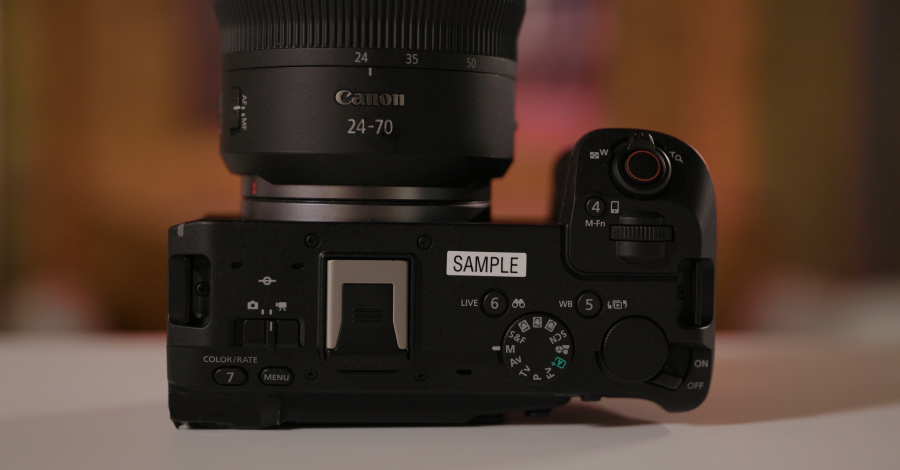
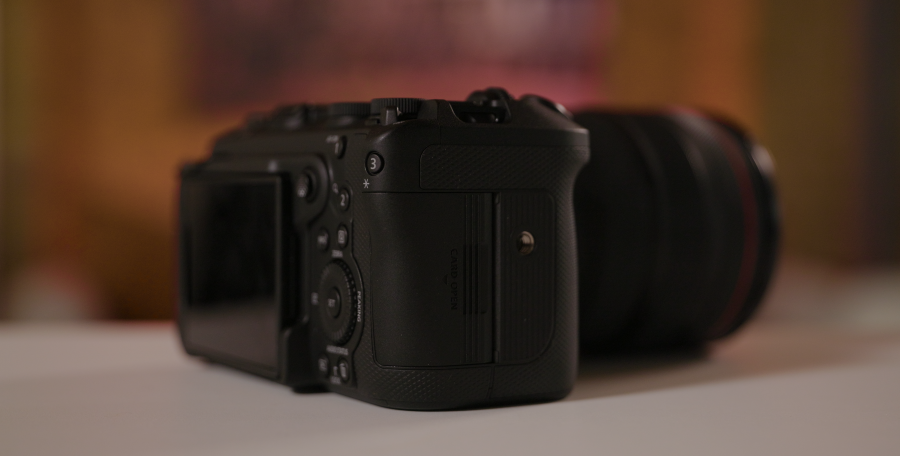
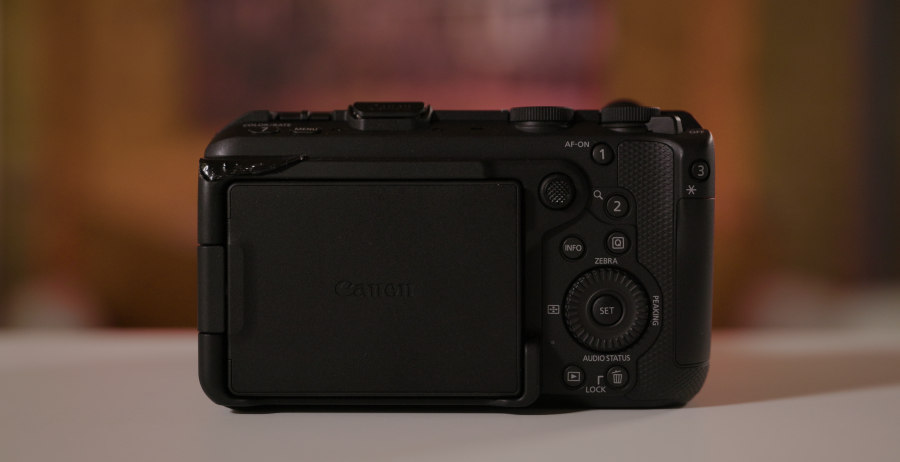
Physically, the camera is all about making your life easier as a creator. There’s a fully articulating touchscreen, dedicated vertical mounting thread, front-facing tally-style recording button and classic button layout.
Canon has even included a front record button specifically for self-shooting setups, livestreams and direct-to-camera, as well as powered zoom rocker switch control for smooth zoom in and out, just like a traditional camcorder.
The connectivity options also lean towards flexibility and ease of use for filming on the fly. The R6 V includes a full-size HDMI port, USB-C with livestreaming support, 3.5mm headphone and microphone jacks, shutter release port, and dual card slots, including one CFexpress Type B slot and one UHS-II SD slot.
Who is this camera for?
What makes the R6 V interesting is where it sits in Canon’s ecosystem. It seems to fit in the space between content creator and cinematographer.
For content creators stepping up from a smartphone or entry-level camera, it offers the usual things you’d want, such as the flip-out display, vertical shooting options, and livestreaming capabilities. But when you want to level up your content, you have access to professional codecs, colour workflows and interchangeable lenses without becoming intimidating; with the bonus of being significantly more video-focused than a traditional hybrid body.
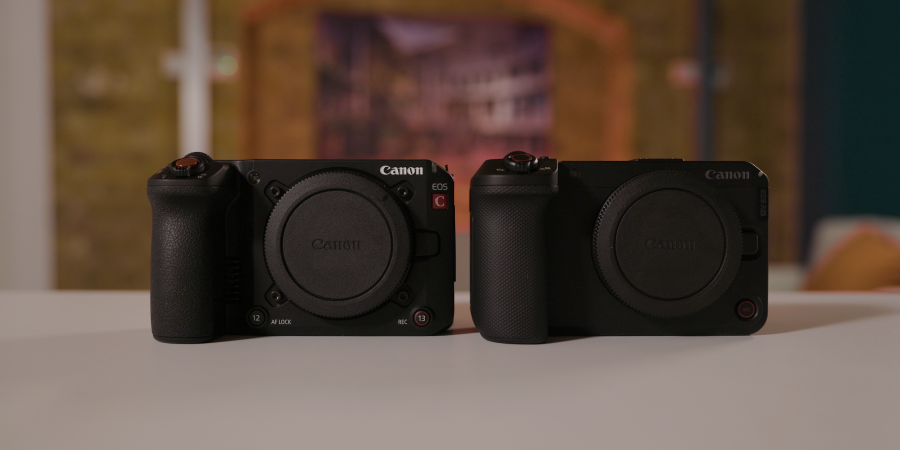
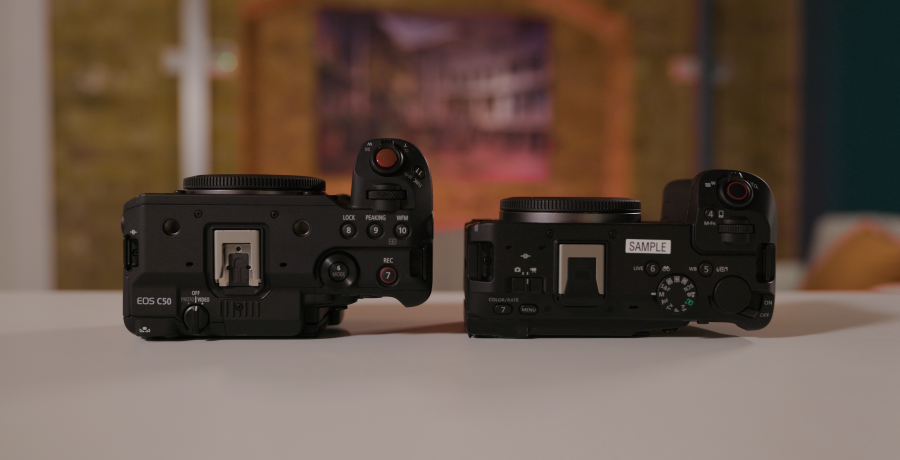
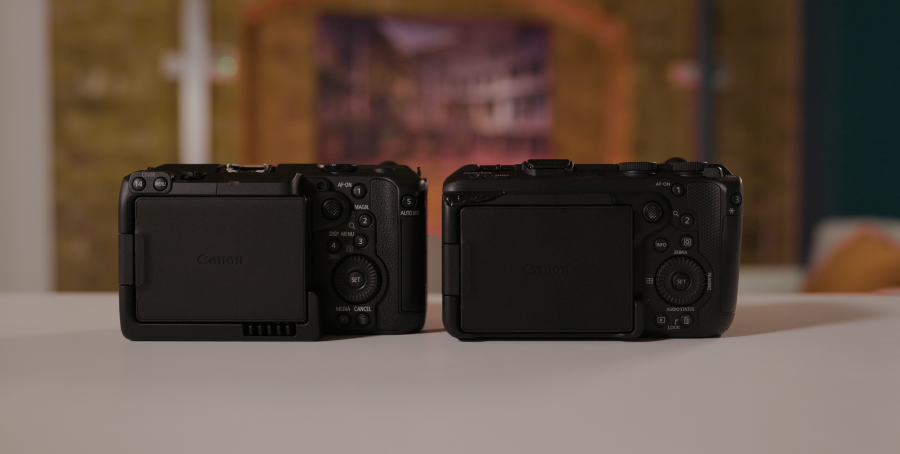
Equally, it could easily sit in a professional setting. It has the same sensor technology as the C50 and Canon’s Dual Pixel CMOS AF, meaning accurate colour consistency and reliable performance. It would make sense as a B-camera for existing Canon cinema users, or a dedicated travel or crash-cam, as it’s more compact and streamlined than other options.
It might not replace a dedicated cinema camera for larger productions, but that doesn’t really seem to be the point. Canon's strategy seems two-pronged. They have designed a camera aimed at modern hybrid creators who do a bit of everything - shooting vertical content at one moment, making documentary films the next, and then livestreaming straight from the camera - all at a price point that caters to both professional filmmakers looking to expand their kit, and creators looking to level up their content.
A perfect camera lens pairing
Canon’s new RF 20-50mm f4 power zoom lens drops alongside the R6 V.
The lens features an internal zoom mechanism, meaning the physical length of the lens doesn’t extend while zooming. That’s particularly useful for gimbal work, because balance remains consistent throughout the zoom range, avoiding the need for constant rebalancing.
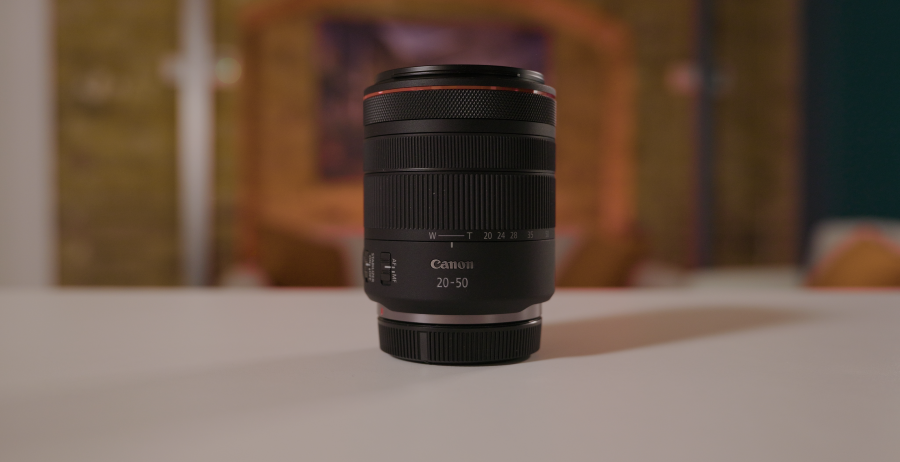
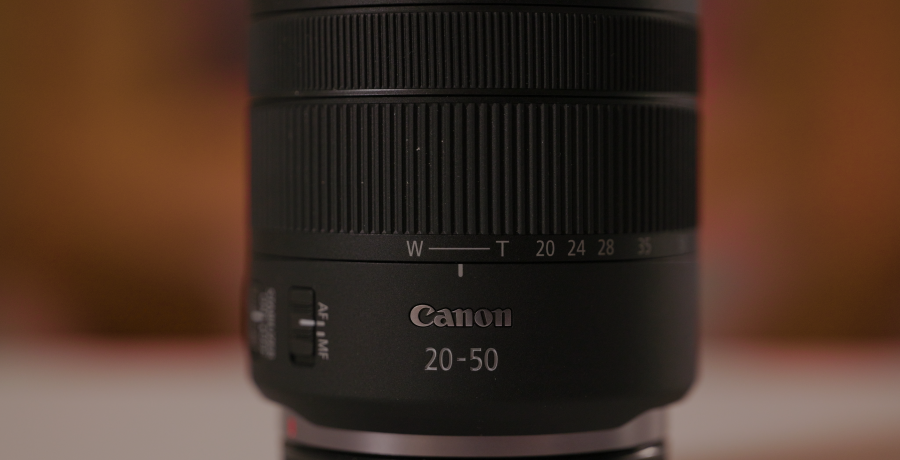
It’s also a power zoom lens. Now, if you recall, the R6 V features the power zoom rocker switch. This combination will be useful for documentary shoots or fast-paced high-action sports, where instead of manually twisting a zoom ring and potentially knocking your focus or framing, you can make controlled adjustments quickly and smoothly.
Inside the lens, it’s made up of 13 elements in 12 groups, including three UD elements to help maintain sharpness and control aberrations. The lens also includes six stops of optical image stabilisation and, surprisingly, a close focusing distance of just 24cm.
It’s a perfect pairing, making this a camera and lens combo that really does land as a camera for content creators and professional filmmakers.
For sample images and footage of everything we’ve discussed here, check out our pre-production review in the video below:
About the Author
Leo White has been part of the Wex Photo Video team since 2018, working across the contact centre, product setup, and now within the editorial and marketing team. Alongside his day-to-day work, he is a writer and editor, helping to shape product copy, articles and wider brand communications. With a BA and MA in Photography, he combines academic study with hands-on experience of photographic equipment and image-making, bringing clarity and practical insight to the way complex ideas are communicated.
The Wex Blog



Sign up for our newsletter today!
- Subscribe for exclusive discounts and special offers
- Receive our monthly content roundups
- Get the latest news and know-how from our experts