Canon has just released the EOS R6 Mark III, and it’s already created a lot of buzz. I mean, of course it would; Canon-loyalists get pretty excited by new releases, and for good reason. This new R6 III has some hefty upgrades, most of which are carried by borrowing some of the best technology from the R5, giving you a camera that’s faster, sharper, and more capable without stepping up to a bigger, pricier body (... like the R5).
The sensor has been bumped up to 32.5MP, which means more detail and better dynamic range, while still keeping the R6’s high-speed performance. You can shoot 40fps electronically and 12fps mechanically, now with a bigger buffer that lets you capture up to 150 RAW images in a burst. Plus, the refined pre-capture function records frames just before you hit the shutter, making it easier to nail the perfect moment.
Autofocus has also seen a noticeable improvement. Canon’s now-classic and generally flawless Dual Pixel CMOS AF II is faster and more reliable, recognising people, animals, and vehicles, and it still works impressively well in low light, even down to -6.5EV. More on that later.
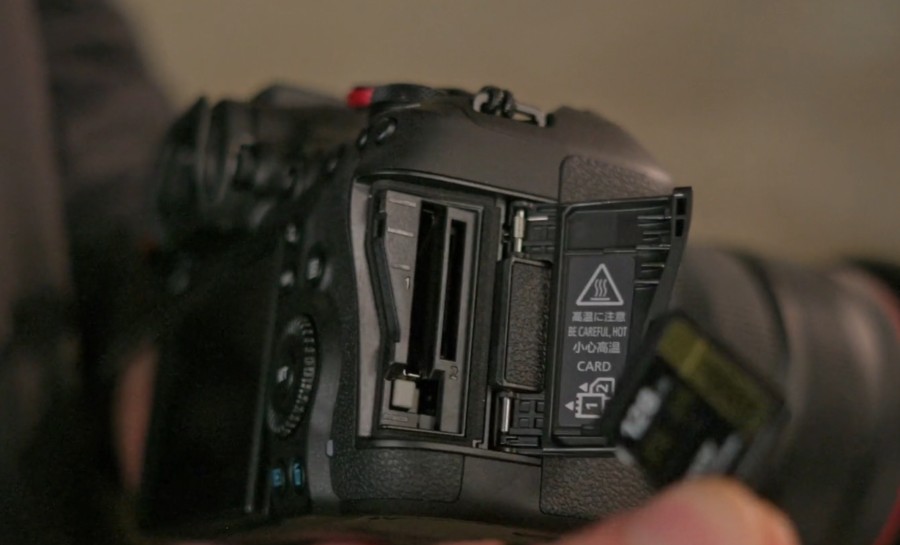
And the hybrid shooters among us will be happy to hear that R6 Mark III can handle Open Gate 7K 60p RAW and 4K 120p internally, with full-sensor readout, while in-body stabilisation has been improved to 8.5 stops *takes a breath*. It also comes with upgraded connectivity, including 5GHz Wi-Fi, Bluetooth 5.1, and dual card slots that take CFexpress Type B and UHS-II SD cards.
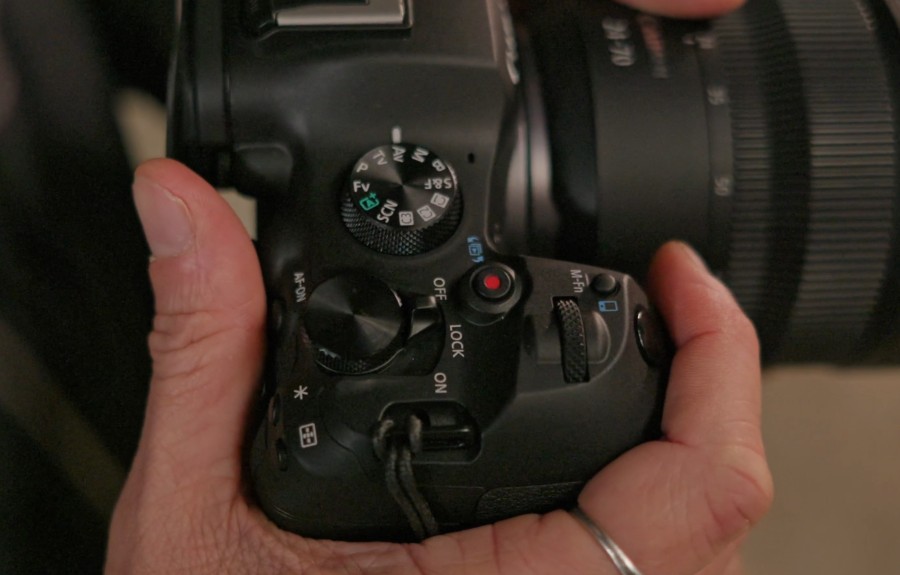
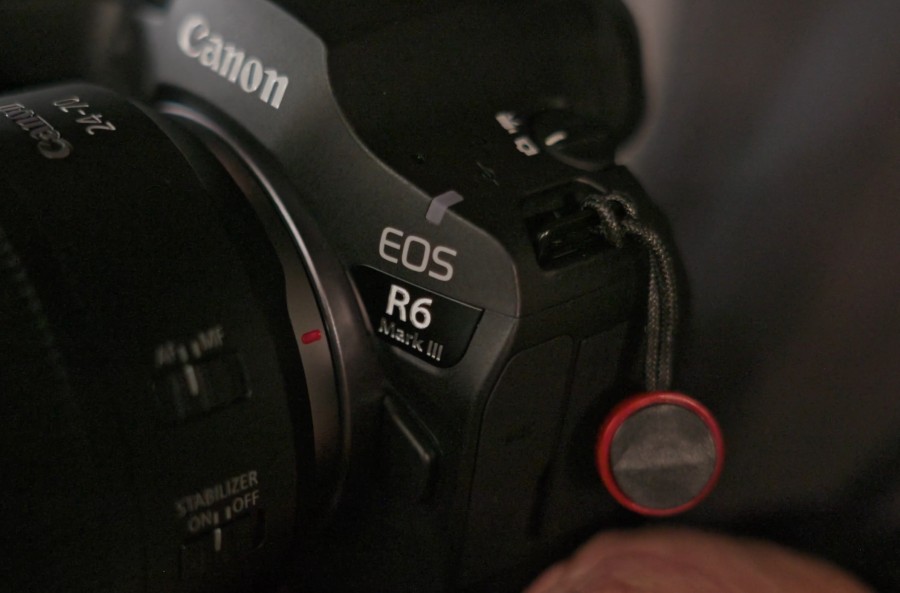
Clearly, all of this makes the R6 Mark III a very capable camera. Have they just plucked features straight from the R5 Mark II, and does it beg the question whether we really need a Mark III, or would it have been better to wait for a proper leap forward in this price bracket? Maybe?
Nevertheless, there’s plenty to love here. It’s fast, versatile, and promises to give you R5-level performance without the R5 price tag.
Ian, our Product Content Manager, has actually had some time with the R6 Mark III, and I wrestled him away from the busy life of presenting our YouTube channel to talk about his hot take on this camera.
Ian Howorth: "A new camera release, especially an update of an existing model, will always be met with a little cynicism. However, every so often, something comes along that really surprises me.
Let me preface by saying that my cynicism isn’t because I think it will be bad; it's because all cameras are so good now that sometimes it can seem difficult to see where they can make huge improvements.
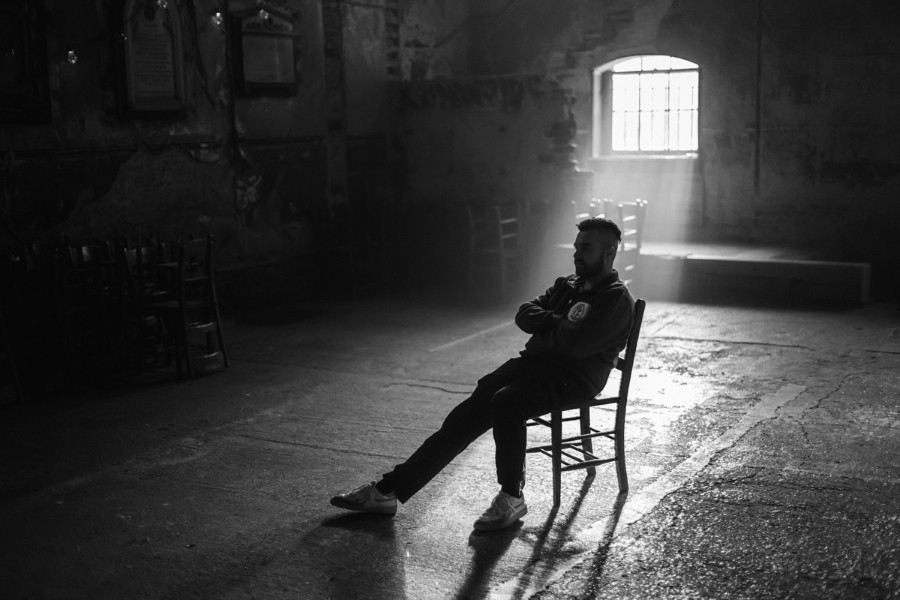
But the Canon R6 Mark III is certainly a camera that surprised me. For one, just holding it in my hands, there was no evidence that its weight or size had increased from the previous model - a good start.
The spec sheet didn’t disappoint either; a 32.5 MP full frame sensor with the advanced algorithmic AF features from the R5 Mark II, an impressive 8.5 stops of IBIS and a video spec sheet that belies Canon’s idea that this is a photo-centric hybrid.



The resolution is one of the things that people will probably appreciate the most. It has just enough to make it feel like an upgrade, but not so much that it would be fighting against ISO performance owing to those smaller pixels. While we’ve come to expect cameras to have resolution in the mid-twenties, having that small boost allows for slight cropping and reframing in post without losing quality.
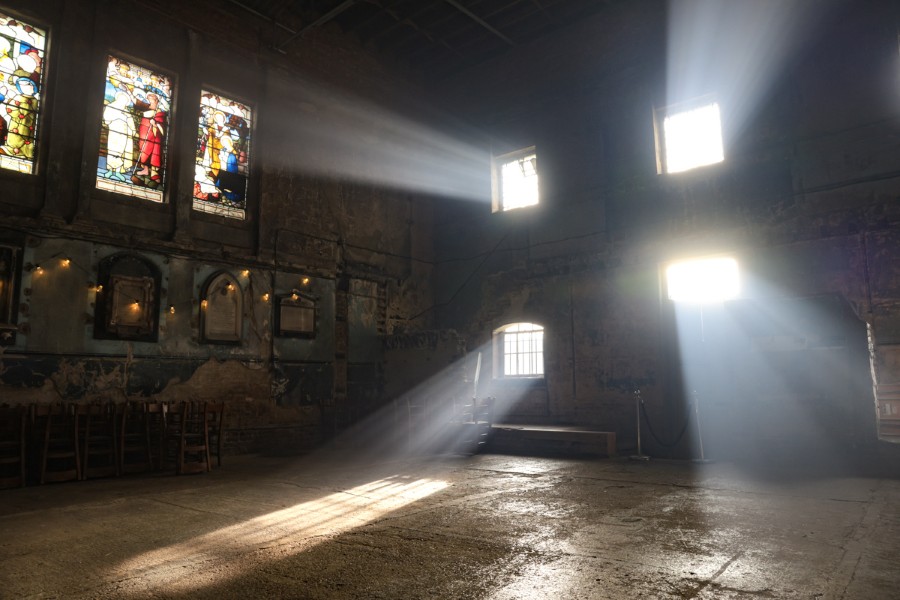
The 8.5 stops of IBIS actually worked. I never judge too harshly here; if I get 7 out of a quoted 8.5 stops, I’m satisfied. Managing to achieve a full 4 seconds of exposure with a 45mm lens impressed me a lot. Sure, you might not get it every time, but if you’ve left the tripod at home or wish to bring down those ISO values, a bit of patience here can mean the difference between getting and not getting the shot.


I won’t talk too much about video as it isn’t my speciality; however, to be able to shoot Open Gate 7K 60p RAW is huge. The fact that Canon are calling this a photo-centric hybrid is amusing, considering just how much they are giving us with video.
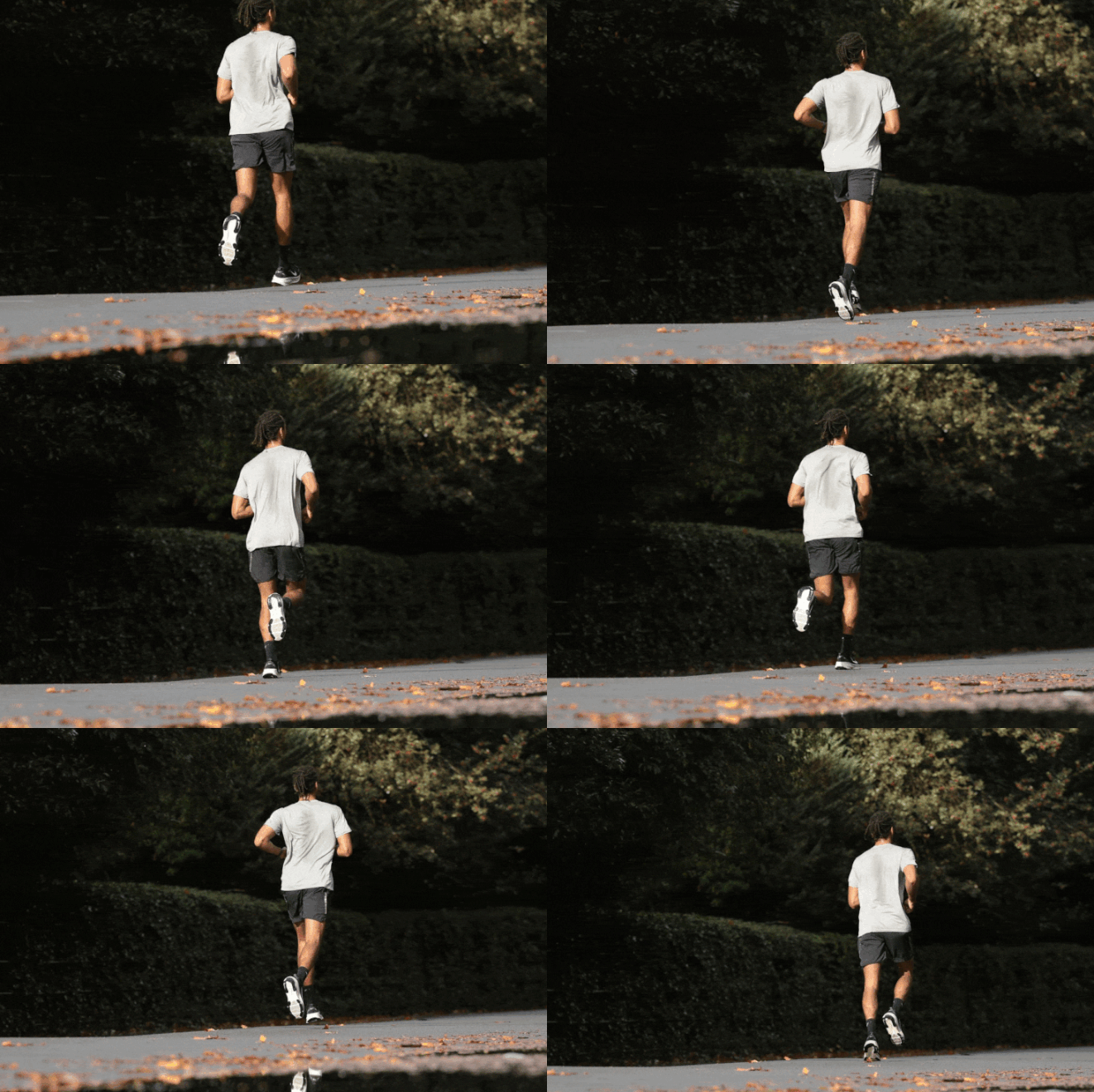
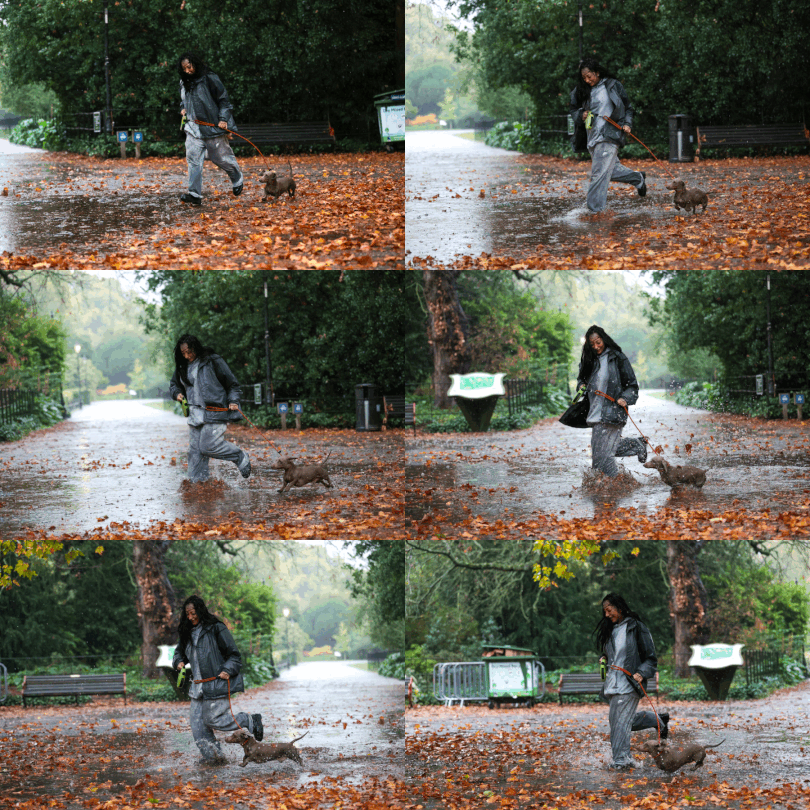
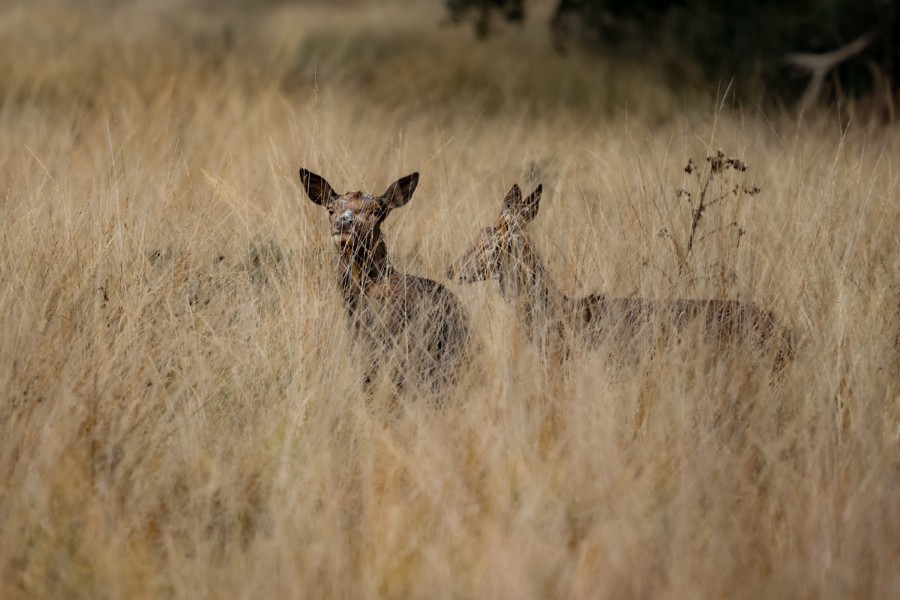
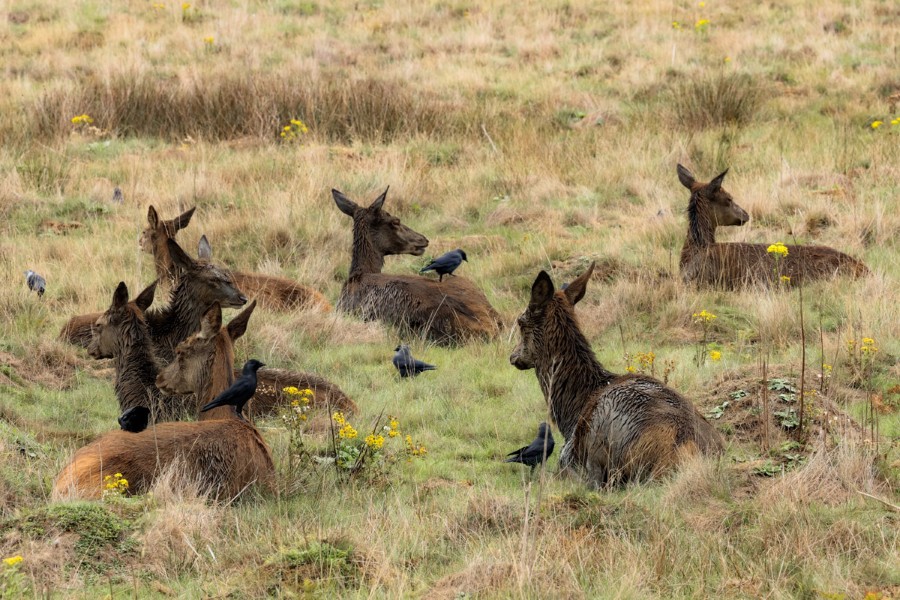
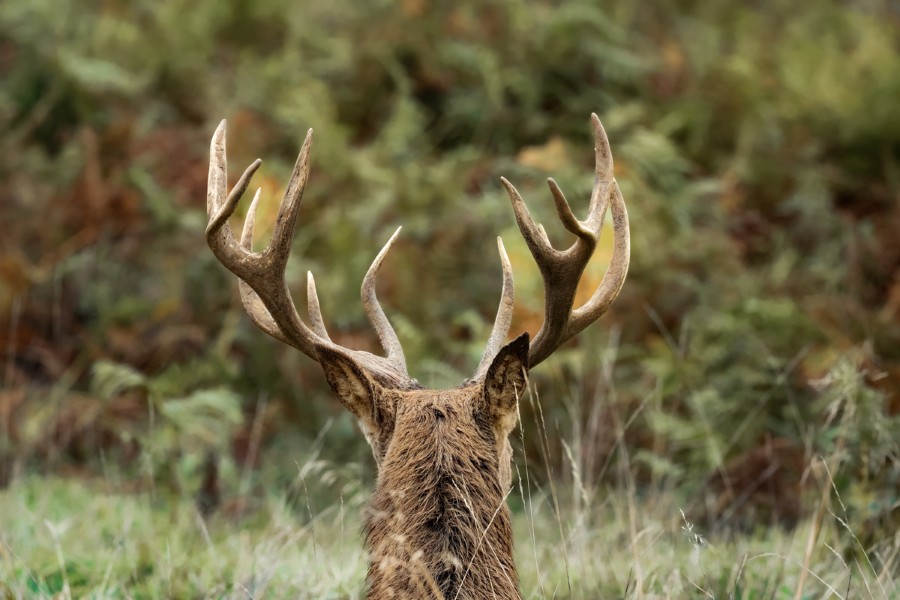
Last, but certainly not least, is the AF. The glorious AF. This camera just didn’t seem to miss. And I really tried to stump it by panning fast to capture birds in flight, or by trying to shoot deer with foliage in the foreground - it just always snapped to get focus on my subject. Even employing the electronic shutter to reach 40FPS whilst panning didn’t even seem to bother the camera in terms of rolling shutter issues. To say these ‘pro’ features impressed me would be an understatement.
Pricing is always subjective, but in terms of what I’ve seen other cameras retail at vs the features they offer, I see the R6 III as an unmitigated bargain. If there is a camera that can truly do everything extremely well, it is most certainly this one.
Well, there you have it. From someone who hasn’t used it to a person who has - and is now entirely convinced - this is clearly a camera we should be taking great notice of.
You can take a look at our full product page write-up, complete with specs, and place an order here.
About the Author
Leo White has been part of the Wex Photo Video team since 2018, taking on roles from the contact centre to the product setup team. Holding both a BA and an MA in photography, Leo brings a wealth of expertise he’s always ready to share.
The Wex Blog




Sign up for our newsletter today!
- Subscribe for exclusive discounts and special offers
- Receive our monthly content roundups
- Get the latest news and know-how from our experts