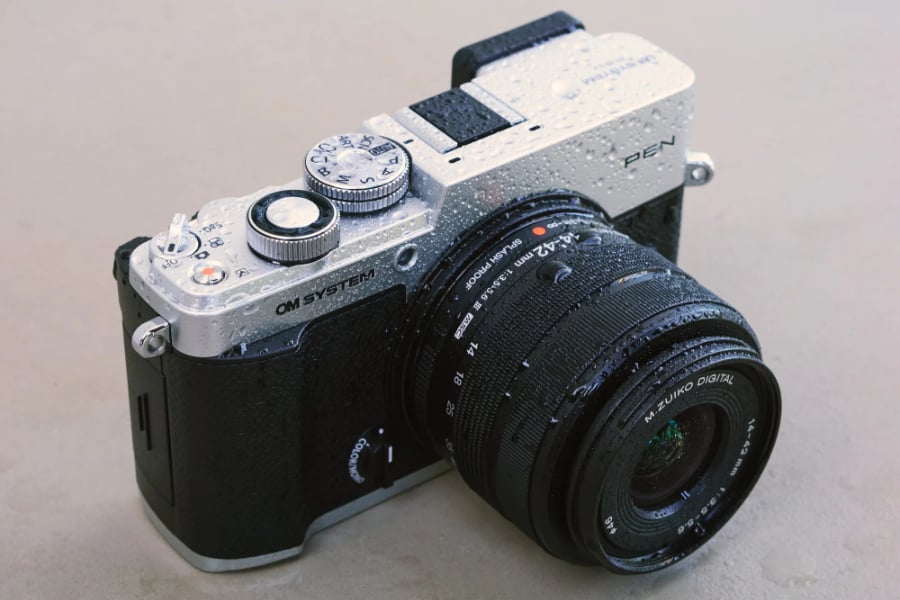
OM SYSTEM has taken the wraps off its new ‘PEN’ digital rangefinder, and we couldn’t be more excited. The OM SYSTEM PEN is everything you’d hope for in a fast, sleek street photography camera, sporting AI-assisted phase-detection autofocus, 5-axis sensor-shift image stabilisation, and Colour and Monochrome Profile Controls for customisable in-camera looks.
Essentially, it’s a lightweight camera that gives you the best of both worlds – the interchangeable lenses of a Micro Four Thirds mirrorless meets the sleek dimensions and pocketable convenience of a compact. As such, it’s an absolute dream for street photographers – one that blends the classic look and feel of old-style analogue rangefinders with all the conveniences and advancements of modern digital photography.
The OM SYSTEM PEN is the ideal camera for anyone thinking about trying out street photography for the first time. So, we enlisted the help of our resident expert street photographer, Matty Graham, to provide a few tips on how to use this camera most effectively to capture brilliant street photographs…
1. Carry light, shoot right
When it comes to street photography, heavy gear is a no-no. Instead, smaller cameras that won’t weigh you down are the way to go, and models like the OM System Pen and OM-3 offer great image quality and the added benefit of being discreet, so you won’t attract attention to yourself while capturing images in the city.
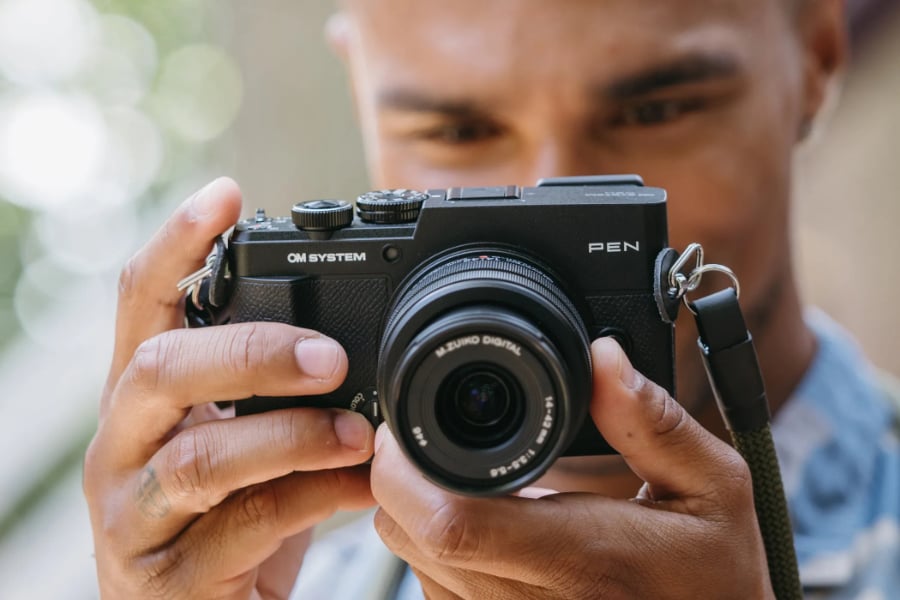
With small cameras, you can ditch the bulky rucksack and slip your camera into your jacket pocket. In fact, the PEN tips the scales at only 393g (including battery and memory card), so you can carry it around all day without feeling weighed down.
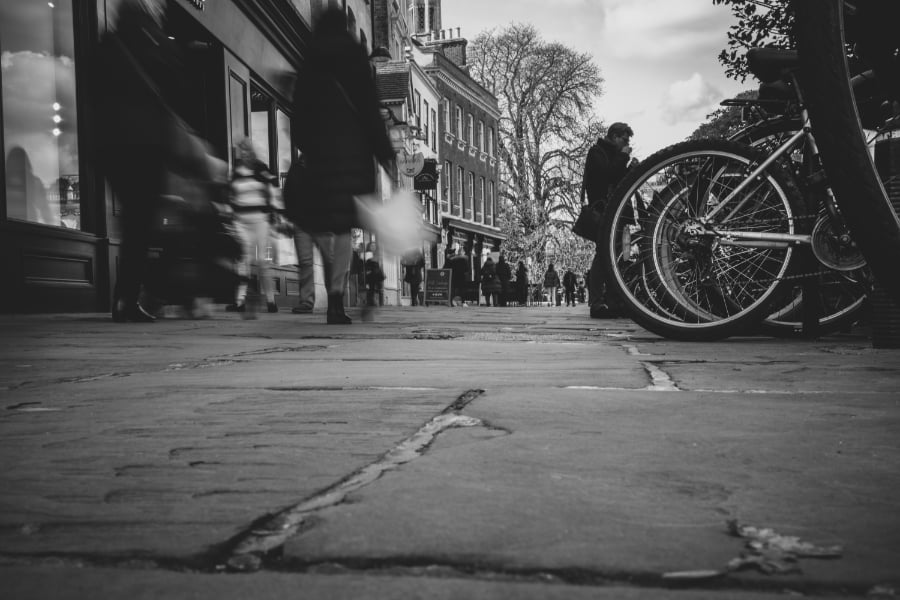
2. Change your perspective: shoot high and low
One of the biggest missteps photographers make is taking all their photos at eye-level. Why? Well, because this is the view we’re used to seeing with our own eyes. The solution is to experiment with low and high compositions. Seek out elevated viewing points such as bridges or balconies, or get down low to the ground and open up a world of new compositions.

One feature that can help with high and low compositions on the OM SYSTEM PEN is its vari-angle LCD, which will enable you to get a great view of your scene by tilting the screen forwards and backwards. An added benefit of a vari-angle LCD is that you can flip it in (with the glass facing the camera) and thereby protect the screen from scratches while in transit.
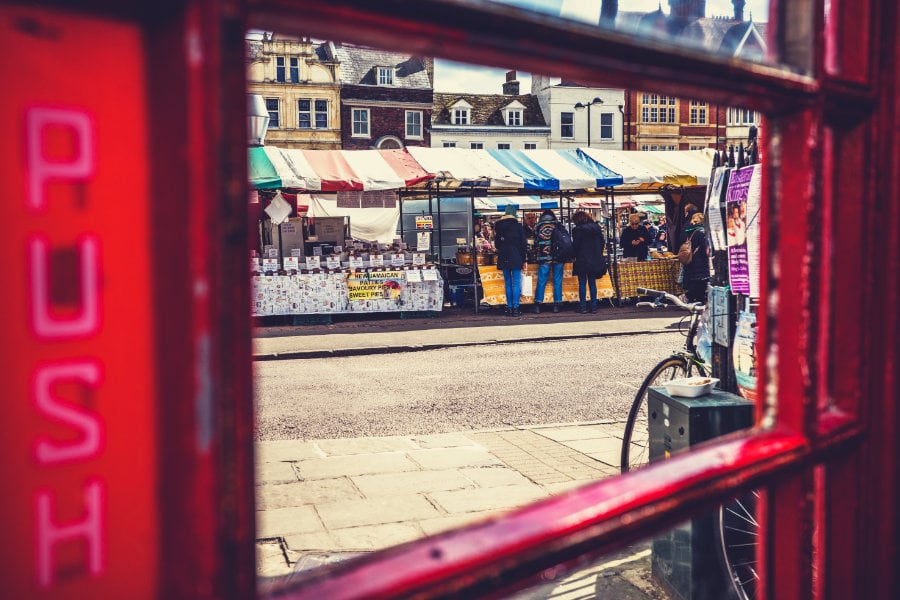
3. Seek natural frames
The truth is that urban architecture is absolutely packed with structural borders waiting to be exploited to create a natural border to your frames. So, rather than lining up your camera directly at your subject, shoot through something instead. Great examples to look out for are doorways, arches, bridge structures and overhanging branches, but you can be even more creative, like this image captured using the surround of a telephone box window, which made for a great border.
4. Rain doesn’t stop play
With street photography, you don’t have to put the camera down when the rain starts to fall – in fact, if you do this, you may be missing out on some excellent photo opportunities. Rain can help you get creative, so try shooting through a window covered in raindrops or create a reflection by getting up close to a puddle.
While it may be tempting to shield your camera from the raindrops, today’s cameras are well-specced to be weather-resistant – and the best of the bunch in this regard are made by OM SYSTEM. The OM SYSTEM PEN is IPX1-rated, offering an enhanced level of protection against splashes. Embrace the precipitation and let your creativity flow.
5. Capture split-second moments that pose questions
Take your street photography further by creating images that tell a story. This often comes down to being able to capture a frame at just the right moment – two subjects crossing paths, a subject walking past an advertising board. The real trick is to train your eye to look out for unusual moments and to be ready with your camera in hand, ready to go. The more you look for these moments, the more you’ll find them – and the 30fps Silent Sequential Shooting of the OM SYSTEM PEN will ensure you capture them.
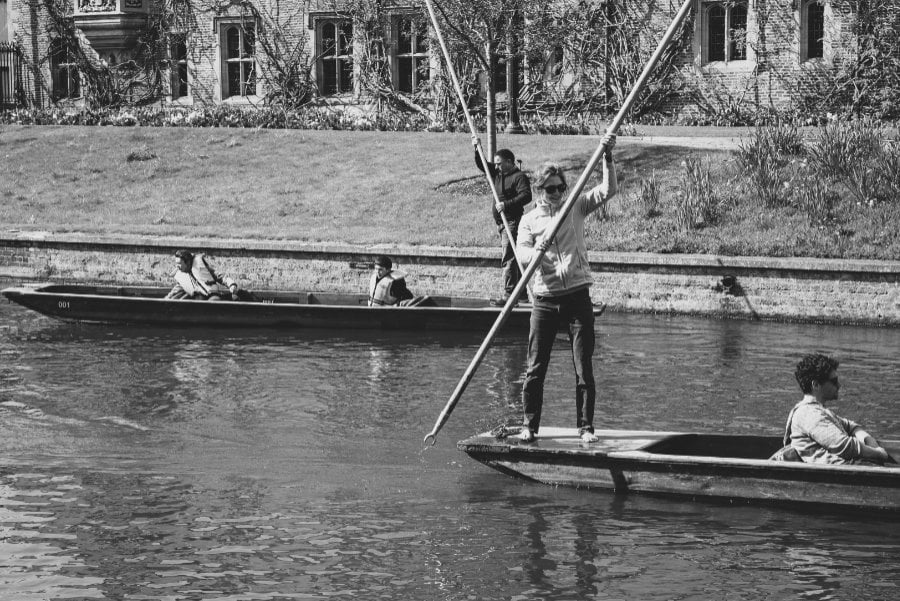
6. Shoot both colour and black & white
Street photography lends itself very well to black and white photography. The absence of colour helps the viewer’s eye focus on the subject and creates a timeless aesthetic. But is there a time and place for colour in street photography? Absolutely, and colour itself can help tell a story and bring a frame to life. Many cameras offer the ability to apply a Picture Styles option and see what you’re shooting through the EVF or LCD in mono, and this helps you immediately visualise the frame in black and white. The OM SYSTEM PEN includes a number of monochrome profiles, which use colour filters to shape skies and accent skin tones for more control over the tones in your frames.
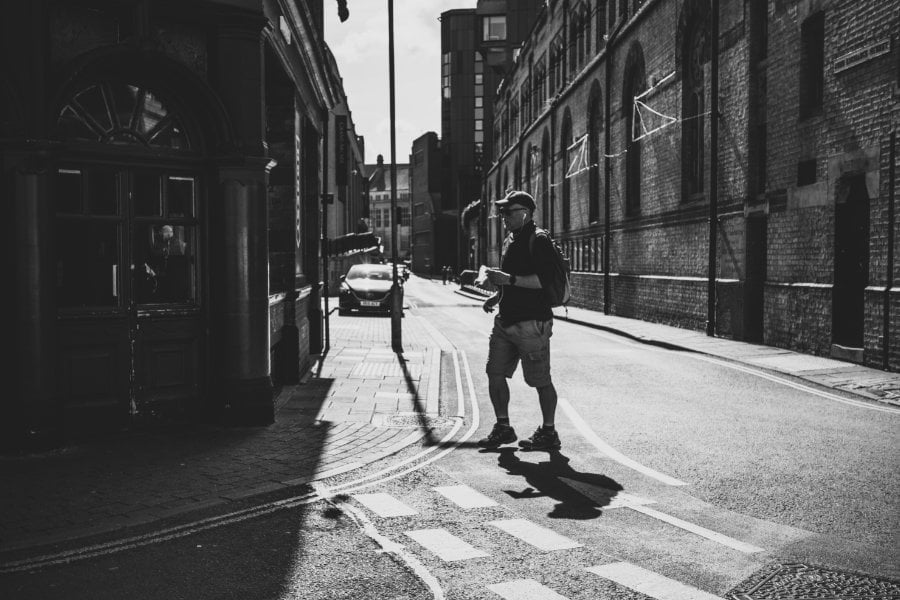
7. Play with shadows
Light is hugely important when it comes to street photography, and the use of shadows in the scene can make or break your frame. To make more of shadows, head out at a time most photographers will tell you to avoid – midday. This is when harsh, high-contrast lighting is present, which will produce strong shadows for you to work with. Shadows can create natural vignettes, leaving a highlighted space for your subject to walk into and stand out in the frame.
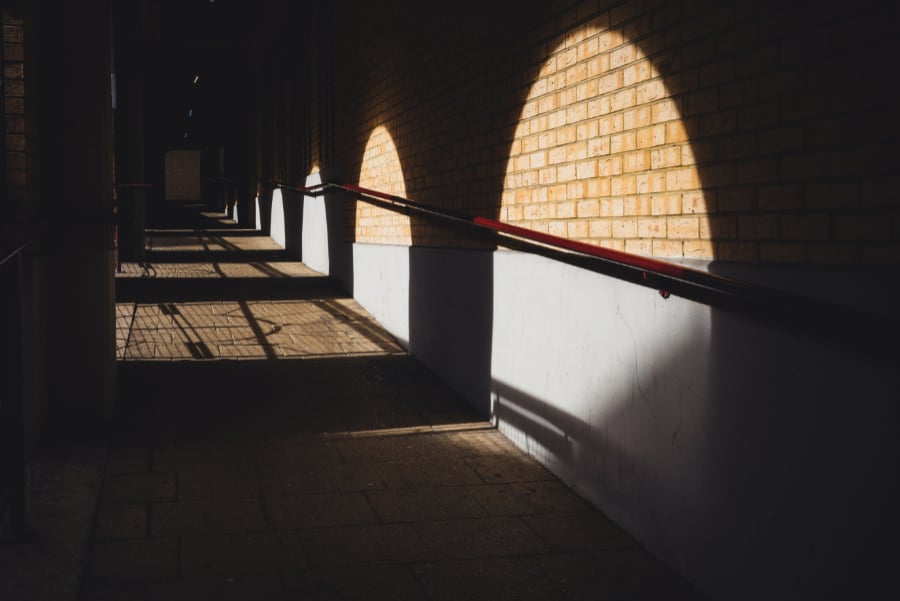
8. Do talk to strangers
Many believe street photography is about capturing candid moments, but there’s no rulebook, and I find approaching people and asking permission to capture a portrait to be a successful route to great images. Not only are you likely to have a more pleasant interaction, but the chances are that your subject will be happy to pose or even move around should you want to change the backdrop. Sure, this blurs the lines between street photography and portraiture, but the end result can justify getting over any apprehension about approaching a stranger.
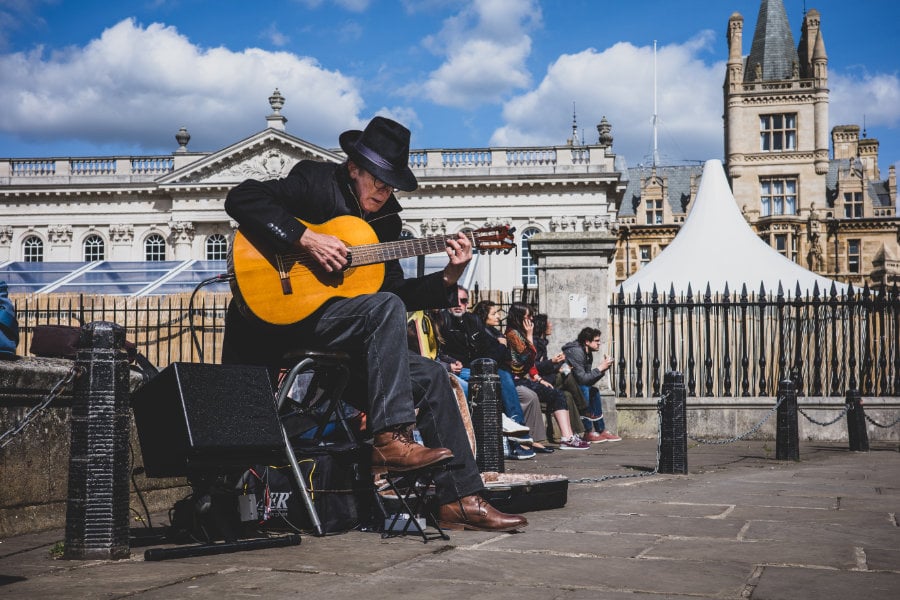
9. Embrace negative space
One misstep newcomers to street photography frequently make is trying to cram too much into the frame. Sometimes the opposite approach is the best option – leaving swathes of your frame empty and clear of clutter, and using the negative space to give your subject room to breathe. Learning to make the most of negative space can really pay off, injecting a more minimalist feel to the frame that can raise up an everyday image into something closer to fine-art.
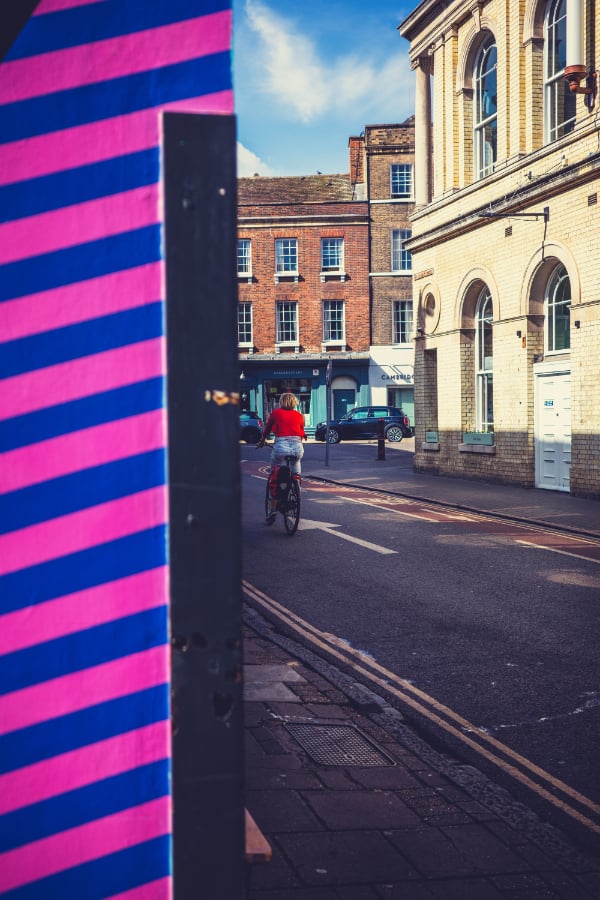
10. Don’t forget the details
Great street photography is also about capturing what the eye may often miss. Small details: stickers, street furniture, street signs – don’t be afraid to fill the frame with diminutive subjects that can result in a big impact. Unlike many street compacts, the OM SYSTEM PEN is a mirrorless camera with swappable lenses – so you can break out the telephoto to really home in on details.
11. Experiment with exposure
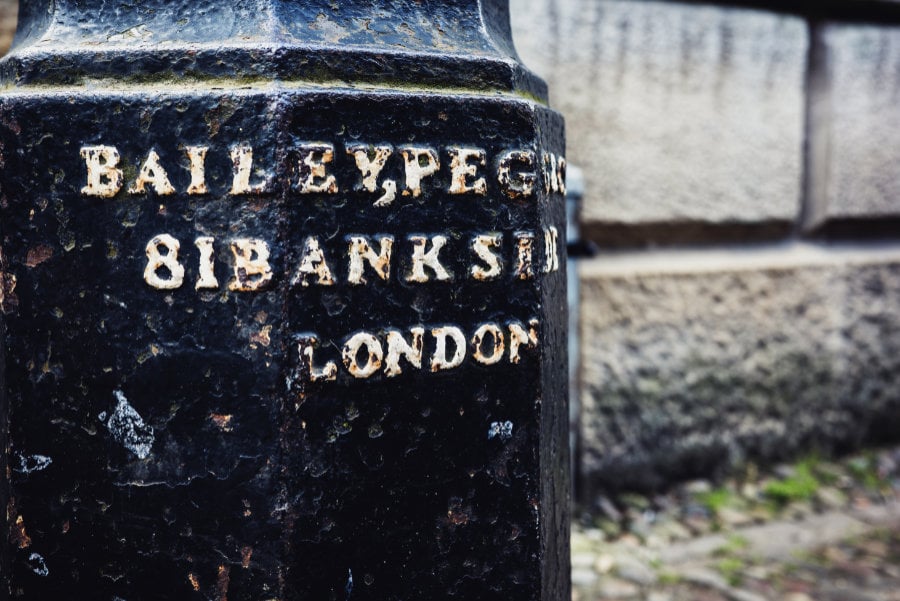
Long exposure is a technique better associated with landscape photography, but slowing the shutter can help create stunning frames with street photography too. Frame up a background, such as a doorway or graffiti-splattered wall and wait for someone to walk past the frame. By lowering your ISO to 100 and employing an aperture of around f/16, you should be able to slow down the shutter speed enough for the subject to turn into a blur as they traverse through your frame.
With slower shutter speeds, you run the risk of camera shake, but this is where advanced IBIS (In-Body Image Stabilisation) systems, like the 5-axis system found in the OM System PEN, come in their own, and help deliver shake-free shots.

OM SYSTEM PEN Digital Camera Body - Silver
Bringing the Olympus PEN legacy into a new era, the OM SYSTEM PEN reinterprets the series’ original compact camera concept with the technology and versatility of a modern mirrorless system. OM SYSTEM has modernised the formula with AI-supported phase-detection autofocus, a built-in OLED viewfinder, weather resistance and extensive in-camera creative tools. As the first PEN from OM SYSTEM, it celebrates more than six decades of the original Olympus series by pairing its established compact design with modern technology that gives photographers more creative control and less operational friction.
£849.00 View
About the Author
Matty Graham is a photographer, writer and presenter who creates editorial features that inform and inspire photographers across a wide range of creative disciplines. Through articles, videos and events, he shares practical advice, product insights and real-world techniques to help photographers get more from their kit. Take look at his website and follow his Instagram.
The Wex Blog

Sign up for our newsletter today!
- Subscribe for exclusive discounts and special offers
- Receive our monthly content roundups
- Get the latest news and know-how from our experts