
There’s definitely something alluring about an f1.2 aperture. It’s saved for the tippy top of lenses. The badge of premium quality. It’s wide, it’s fast, it’s professional, and it gives you that dreamy shallow depth of field everyone loves. It makes all other lenses feel lesser.
But here’s my honest question to you: do you actually need an f1.2?
I’m going to take a look at what this aperture really offers, where it makes a genuine difference, and help you figure out whether you’re the type of photographer who can just get away with an f1.8.
What does f1.2 actually mean?
Your aperture controls the amount of light that enters your lens. The lower the number, the wider the opening. An f1.2 aperture is wide and offers around twice as much light as an f1.8, and a little more than f1.4.
The increase in light means two things: the lenses will perform better in low light, and you’ll achieve a shallower depth of field.
At f1.2, that zone of sharpness in front of and behind your subject can be razor-thin – so much so that you could take a portrait where the eyelashes are in focus, but the ears are drifting out. It’s that shallow. This can look stunning, but if you’re not careful, it could look like you missed focus.
Of course, eye-detection autofocus nowadays helps massively with that, but if your subject sways, or you enthusiastically gasp at an exciting photographic opportunity in front of you, you could easily miss.


Let’s make a case for f1.2
- As we’ve discussed, an f1.2 aperture will give stunning background blur. It enables you to entirely isolate your subject from a distracting background for maximum subject separation.
- Low-light confidence. If you shoot weddings, events, or documentary work without artificial light, that f1.2 setting will give you some breathing room. It’ll allow you to keep your shutter speeds usable without having to push your ISO too high. And that means cleaner shots and a bit more flexibility in the edit.
- These are premium optics. Most f1.2 lenses sit at the flagship end of their system, which means advanced coatings, intricate optical designs, and consistent sharpness even when wide open.
- You might have loads of disposable money, meaning you can enjoy all that these lenses offer with little worry.
What are the downsides of an f1.2?
- You probably do not have loads of disposable money.
These lenses often cost significantly more than, say, a f1.8 lens. I think it’s best to ask yourself whether that money would be better spent on a second lens, a lighting kit, or even a trip to take photos somewhere interesting. - They're big. Constructing an f1.2 lens requires large and heavy glass elements. If you shoot all day for events or travel, that weight is going to take a toll. After eight hours, your forearms will be weeping.
- I touched on this earlier, but these lenses require precision and confidence in focusing. At such a shallow depth of field, the margin of error is tiny. Yes, Eye AF will work wonders, but it cannot control your subject’s movement.
Maybe this says more about my skill as a photographer, but I suggest stopping down to 1.8 or 2 to get more consistently sharp results, even if it means you don’t get that super shallow depth (although it will still be shallow at f2).
How different is f1.2 from f1.4 or f1.8, really?
This is where it gets interesting, because just having an f1.2 doesn’t automatically mean beautiful blur, or a next-level ability to shoot in much lower light.
The difference between f1.2 and f1.4 is about one third of a stop. It’s around 1.3 stops between f1.2 and f1.8. What does that mean in practice?
If you’re shooting at ISO 1600 at f1.8, you might be able to drop to around ISO 800 at f1.2; give or take. That’s handy, but it’s not magic.
You will see a difference in background blur, especially at closer distances. That said, your subject distance, focal length, and sensor size can have a much greater effect on your depth of field than jumping from f1.4 to f1.2. An 85mm at f1.8 will almost always produce more blur than a 35mm at f1.2, because of the perspective and compression.
What I’m saying is, the aperture isn’t always the whole story here.

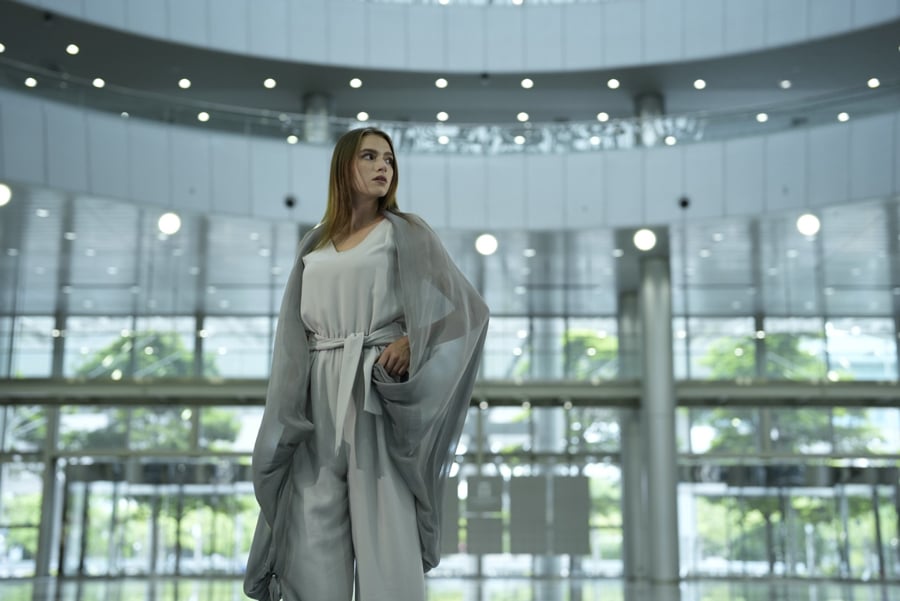
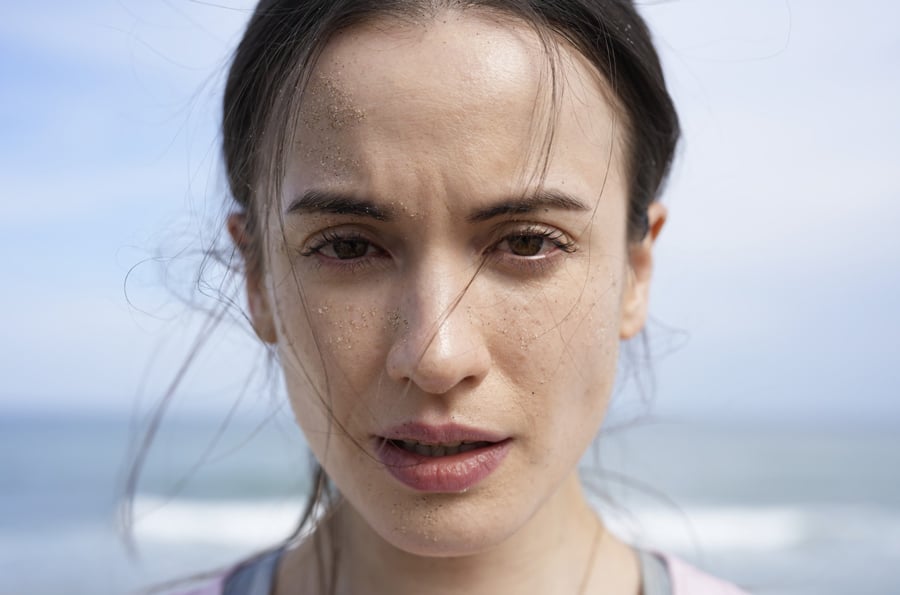
So, do you need an f1.2?
My thoughts are that, if you already know why you need f1.2, chances are you probably do. There are photographers who will absolutely benefit from and be able to justify an f1.2 lens, such as wedding photographers, videographers, or those who have a signature look they’re going for.
If you’re a landscape photographer generally sitting around f8-11, or a travel photographer prioritising a lightweight setup, or a beginner learning exposure and composure, you’re probably not going to need that super-thin depth of field.
And if you do just want “a bit more blur”, levelling up to a f1.8 will generally get you most of the way there. An f1.8 prime will also likely be smaller, lighter, more affordable and still incredibly sharp. It’s basically the sweet spot between performance and practicality.
On the other hand, maybe I don’t think you need an f1.2 lens because I don’t own myself yet… perhaps I will be able to justify it one day.
In case you wondered, the Sony and Nikon lenses used to take the example shots are:


About the Author
Leo White has been part of the Wex Photo Video team since 2018, taking on roles from the contact centre to the product setup team. Holding both a BA and an MA in photography, Leo brings a wealth of expertise he’s always ready to share.
The Wex Blog



Sign up for our newsletter today!
- Subscribe for exclusive discounts and special offers
- Receive our monthly content roundups
- Get the latest news and know-how from our experts