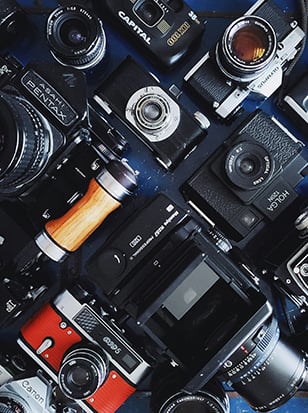
The year 2016 is suddenly everywhere! If you’ve been anywhere near Instagram over the past week, you’ve no doubt seen the trend for people posting pictures of themselves a decade ago, reflecting on how they have changed in the ten years that have elapsed between 2016 and 2026.
Well, it’s got me thinking too – how different was the camera gear landscape ten years ago? What were the releases we were all obsessed with? Ten years is a long time in tech terms.. So, I’m going to follow the nostalgia trend in our own Wex way, and take a look back at how different the camera world was ten years ago…
2016: the last great year for DSLRs?
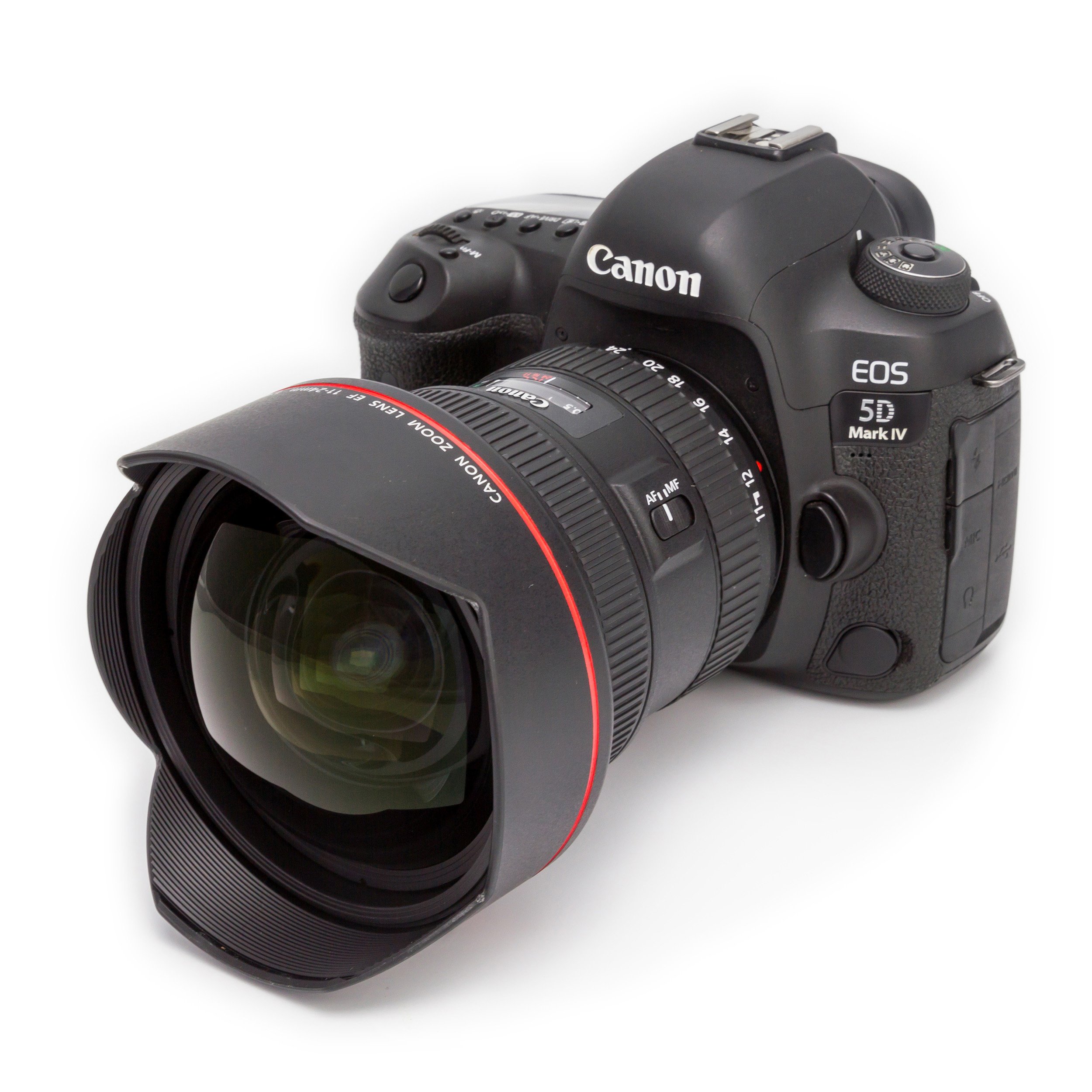
I think you can make the case that 2016 was the last truly great year for DSLRs – and DSLR shooters didn’t know how good they had it! The year’s photo news was dominated by the release of several seminal DSLRs. Canon took the wraps off the latest in its hugely popular professional EOS 5D series, the Canon EOS 5D Mark IV. With 30.4MP of resolution, Dual Pixel CMOS AF and a rugged body suited for professional shoots, this full-frame camera has proved enduringly popular – I still speak to Canon pros who use it, though increasingly often as a backup to an EOS R body.
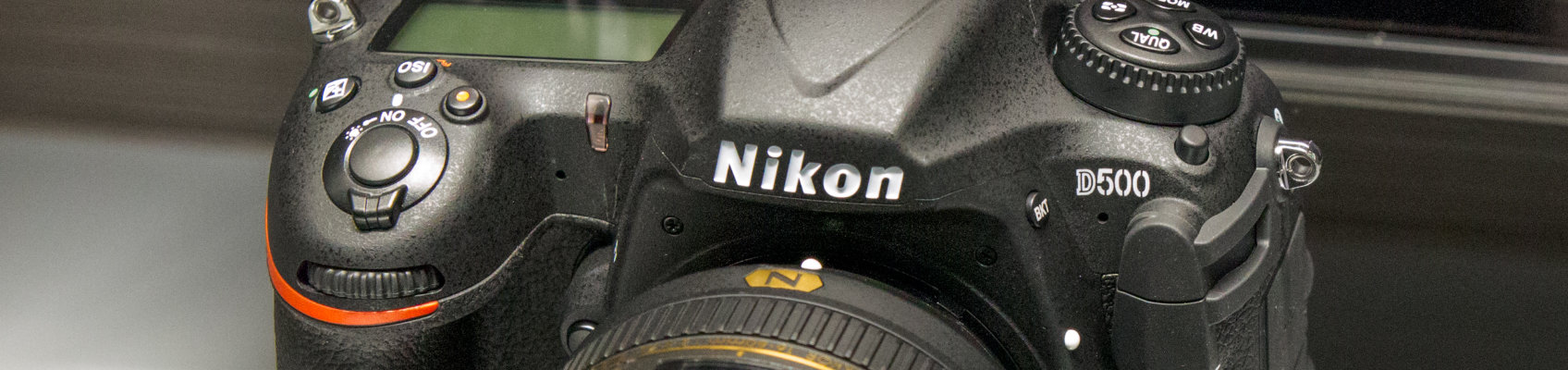
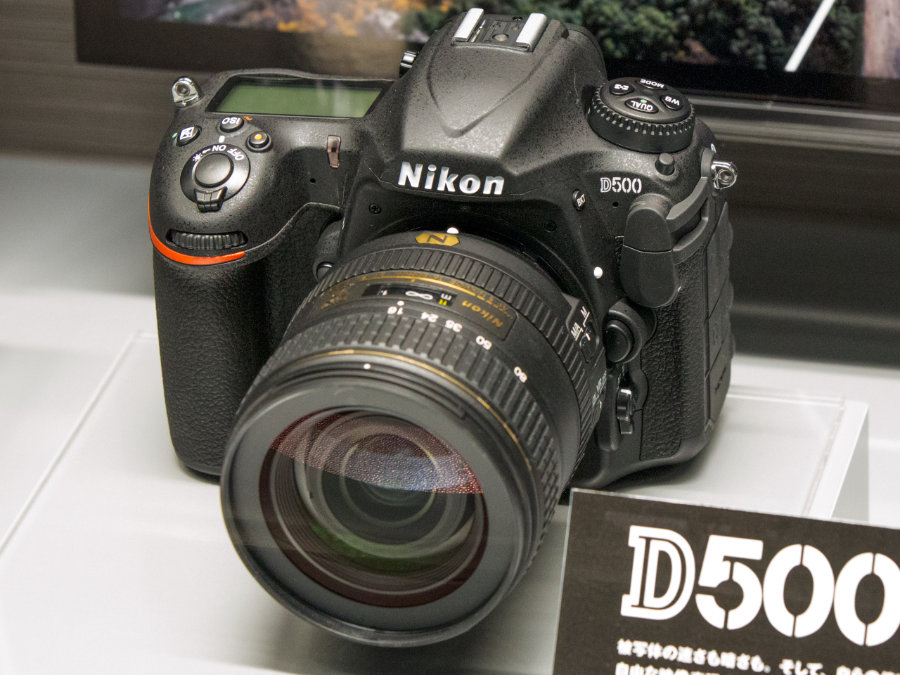
However, the star DSLR release of 2016 was the Nikon D500, which swept a lot of the year’s top product awards. A DX-format Nikon DSLR, and arguably the last great one of those, the D500 was a wildlife-focused speedster, with a 153-point AF system and 10fps burst shooting. Okay, sounds pretty pedestrian by today’s standards – but at the time, this was on par with pro sports cameras like the Nikon D5, also released that year alongside its Canon rival, the EOS-1D X Mark II.
Pentax was also in on the action, debuting its fabulous full-frame Pentax K-1, which boasted built-in 5-axis stabilisation, a fully articulating screen, and all that hardcore weatherproofing Pentax DSLRs are so famous for. With Canon also releasing the enthusiast-focused EOS 80D, this really was quite a year for DSLRs – one that I don’t think was ever equalled.
And you can see why. Mirrorless was coming up fast, with Sony having debuted its 42-million-pixel full-frame sensor in the A7R II the previous year. Lots more excellent mirrorless cameras came along in 2016 – Fujifilm took the wraps off two heavy-hitters: the Fujifilm X-T2 and Fujifilm X-Pro2, two excellent entries in its dazzling, retro-styled series of APS-C cameras. Elsewhere, we saw Olympus consolidate its high-end Micro Four Thirds offering with the Olympus OM-D E-M1 Mark II (this was long before the firm’s rebirth into OM System), and Sony also kept its enthusiast APS-C line running with the A6300.
It still felt a little like DSLRs were the cameras for “proper” photographers, with mirrorless being the more casual alternative. But those distinctions were fading fast, and DSLRs would never have it so good again.
2016: Compacts everywhere
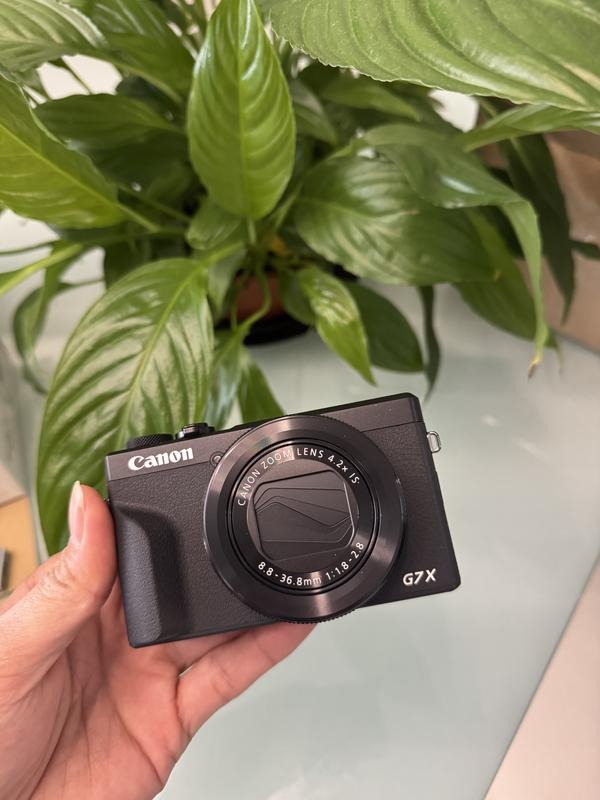
Elsewhere in the industry, 2016 saw plenty of fabulous compacts. Probably the most significant was the Canon PowerShot G7 X Mark II, a camera that would go on to become hugely popular with YouTubers thanks to its wide-aperture zoom lens that allowed for crisp separation of subject and background, as well as its reliable face-detecting autofocus, slim dimensions and reasonable price. Its 2019 successor, the PowerShot G7 X Mark III, would double-down on all these features, while adding 4K video, and is still hugely popular today.
We saw plenty more premium compacts in 2016, including Panasonic’s Lumix LX15, a lovely little pocketable camera for street shooting (does anyone else kind of miss the LX cameras?). And from the Sony camp, there was the high-quality pocketable RX100 V, and the superzoom bridge RX10 III.
2016: The first dual-lens iPhone
Nowadays, it’s hard to imagine an iPhone without the ubiquitous, background-blurring Portrait Mode. But this dual-lens tech was only introduced in 2016, with the hugely popular iPhone 7 Plus. This was the first iPhone to sport two lens modules – a standard wide 28mm F1.8, and a longer 56mm F2.8 lens designed specifically to facilitate portraits. The longer lens also made the phone a much more versatile photographic tool in general, and proved so popular that iPhones – and smartphones in general – never went back.
So. that was 2016! A pretty different place in the photo world. Let us know your memories of 2016 on socials, and here’s to another exciting ten years of ever-improving cameras!
About the Author
Jon Stapley is a London-based freelance writer and journalist who covers photography, art and technology. When not writing about cameras, Jon is a keen photographer who captures the world using his Olympus XA2. His creativity extends to works of fiction and other creative writing, all of which can be found on his website www.jonstapley.com
The Wex Blog


Sign up for our newsletter today!
- Subscribe for exclusive discounts and special offers
- Receive our monthly content roundups
- Get the latest news and know-how from our experts