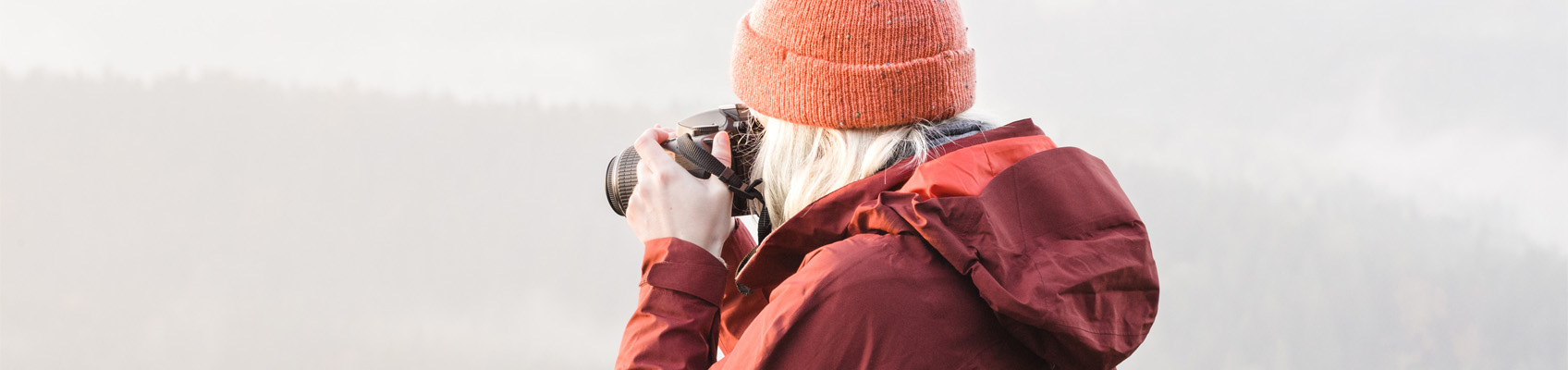
Conversations around mental health are more fervent than ever before. We are now actively encouraged in society to try and recognise mental health as a serious social issue in corporate business and day-to-day life; to take note of how we feel and speak openly about our thoughts, emotions and feelings.
That opening statement suggests that because the issue is more widely acknowledged, it is now easy to discuss. It’s suggested to be as simple as talking to our peers, friends or family about our feelings. The brutal truth is, nothing has changed, at least for this writer. Whilst society is shifting and opening up platforms to increase education, these movements are incremental. Silence is still a huge part of MHA. There are still huge social, societal and traditional pressures that are not universal, but rather individualised.
However, the incremental lifting of systemic and generational barriers has allowed people to discover new ways of helping address their own and other’s journeys with mental health. And whilst the conversation could be louder and more present, it is happening.
Photography as a Therapeutic Tool
It is now well-documented that art or creative expression can help people express themselves, relate to others or navigate the world around them. Art therapists have worked with all age groups to help alleviate different types of trauma, emotional and social abuse, behavioural disorders, depression, anxiety and loneliness. Organisations such as Art Is The Cure conduct workshops to raise awareness of creative therapy; teaching young people ways of exploring their own mental health.
Photography is one creative outlet used to help us express ourselves, regardless of skill set or kit. Paul Sanders is a photographer who practices mindful photography and photography as a therapeutic tool. Sanders uses his camera as a way to appreciate the mundane beauty of the world and communicate the way that he feels. He doesn’t try to win prizes or gain notoriety. It is simply a visual expression, a way to own the moment; an emotional reconnection to our world. Others use imagery as a linguistic tool; language can be challenging for those who aren’t in a space to articulate their feelings or difficulties.
As former Picture Editor of The Times, Sanders experienced significant burnout. The stress and pressure of the job, alongside his own mental health issues, led to a nervous breakdown where he needed to evaluate his career and life. Needing to heal and reconnect, Sanders left The Times. He learned to use image-taking and talking about the photos as a way to communicate his feelings.
You can watch a film we created with him last year; his process was incredibly interesting and helped us to understand photography as a therapeutic tool further. It is an eye-opening account of how the stress and pressures of life can take a person to a breaking point, and how photography is one way to help us take a step back, reconnect and express ourselves.
Fighting Stigma
We then wanted to take this further and understand how imagery can talk to processing information. Photography is often used to inform narratives, build fuller insights and fight stigmas surrounding mental health difficulties. In an interview with photographer Louis Quail on his project ‘Big Brother’, Quail discussed the idea of false pretence in the realms of more complex health difficulties. People tend to see the illness before they see the person; a reductive understanding of mental health issues that puts pressure on the people who have these illnesses.
The project is an intimate photographic portrayal of his brother Justin and his journey with schizophrenia. Quail was frustrated with the way his brother was seen and how he was othered by his condition. During the conversation, Louis discussed how using a camera can help to celebrate the individual outside of their condition, whilst educating the public on the topic of schizophrenia. He also illustrated the way it helped him to process the condition, and to understand Justin further, not as a diagnosis but as a human being.
It’s projects like ‘Big Brother’ that help provide insight into the lives of people who have mental health difficulties or who are not neurotypical. It allows us to open up about our mental health and teaches us how to have meaningful conversations.
For Wex Photo Video, our journey is just beginning. Our recent pilot programme to support those struggling with equipment, free of charge, is our first step. We will continue to develop our programmes to better understand photography as a therapeutic tool, and how we can help those who are struggling.
Find out more about how to access mental health resources here.
#ChangeTheImage
Whether capturing stills or telling stories through film, a camera gives its user the power to share a story. At Wex, we value these stories and believe every voice deserves to be heard, offering insight into the wide spectrum of human experiences across a nation of creatives.
Our #ChangeTheImage campaign highlights talented individuals from diverse backgrounds, showing how photography can be used to support mental health, raise awareness, and drive social change.
Through their work, these creatives shed light on the often-hidden challenges of mental health in creative industries. They invite us to listen, speak openly, and see photography not just as an art form, but as a lifeline and a therapeutic tool.
Below, you'll see our Photography as a Therapeutic Tool playlist, but there's more. Head on over to our Change The Image page, where you'll see the other elements of our wider campaign.
The Wex Blog

Sign up for our newsletter today!
- Subscribe for exclusive discounts and special offers
- Receive our monthly content roundups
- Get the latest news and know-how from our experts