The supposed absence of women in photography is neither historical error nor accidental omission. It is structural, deliberate and ideologically inconvenient.
History prefers its change to arrive alone – isolated, exceptional, palatable. One woman at a time, lifted briefly into view so she can be applauded, contained, and quietly misplaced.
Female firsts are endlessly cited and rarely sustained. Recognition, when it comes, is symbolic rather than structural.
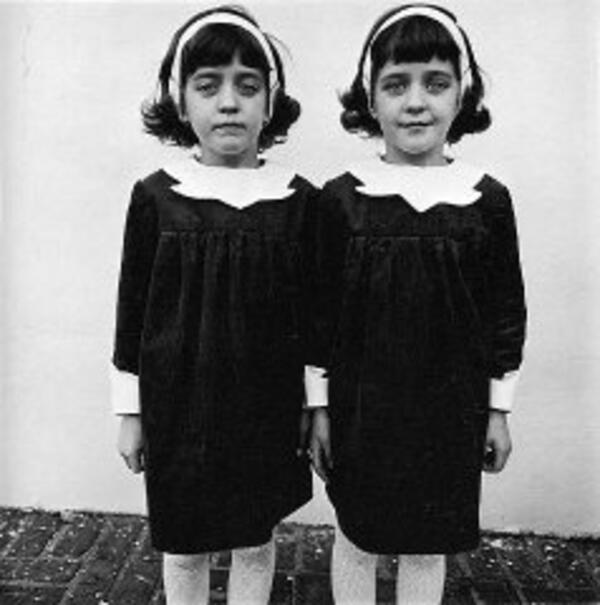
Consider how Diane Arbus, who reconfigured the ethics of photography in the twentieth century, still slips in and out of canonical rankings as if influence were optional.
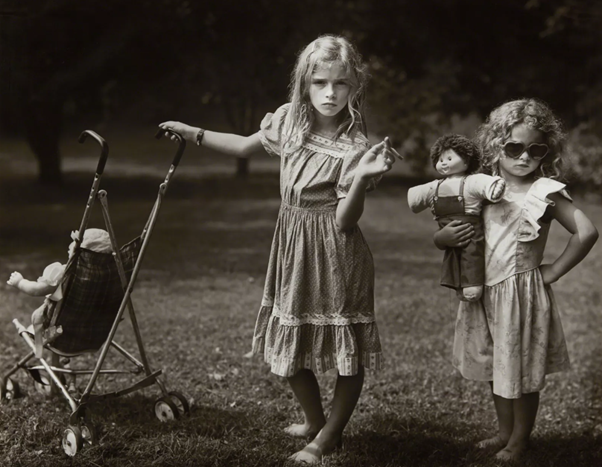
Or Lee Miller, whose images shaped surrealism and war photography alike, yet whose prominence only resurfaces once the men around her are safely historicised somewhere in the latter end of the two-thousand-and-twenty-somethings. Or perhaps we can discuss Sally Mann, whose work collapsed the false divide between intimacy and ethics, only to be endlessly framed through controversy – a form of soft censorship that allowed for irreconcilable personal consequences.
What is striking is not that women’s contributions vanish, but how predictably they do so. Lists of photographic accomplishment fracture somewhere before 2005, as though women’s authorship were a recent experiment rather than a foundational force. Before that, their work is often acknowledged only after McCullin, Winogrand, or Walker Evans.
Photography, perhaps more than any other medium, has been built upon this fiction of absence. Long before photography was elevated to art, Anna Atkins was already using it as authorship to produce cyanotypes as much declarations as they were illustrations. When Julia Margaret Cameron softened focus and insisted on emotional truth over technical perfection, critics dismissed her work as amateur, uncontrolled, improperly feminine.
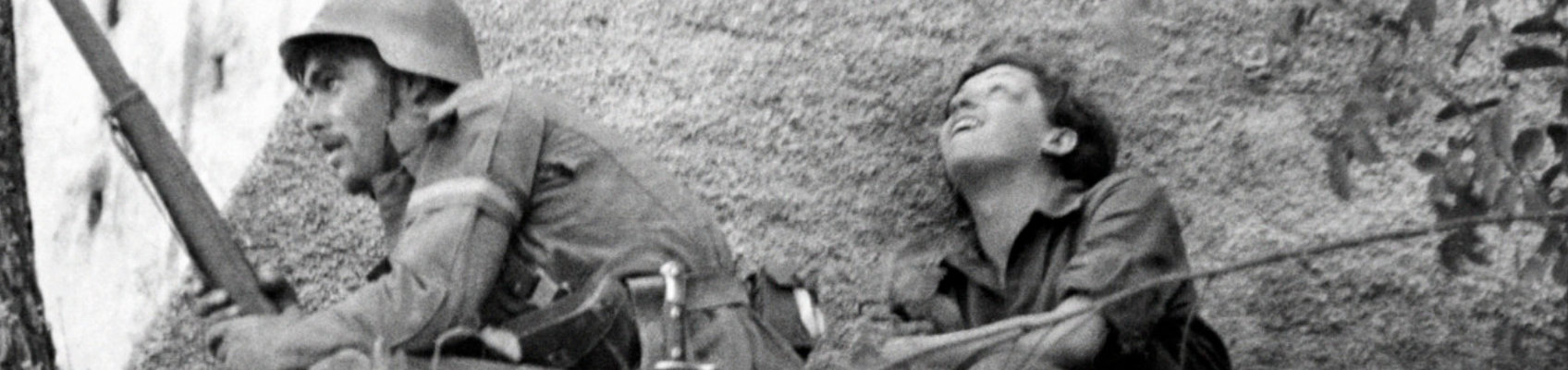
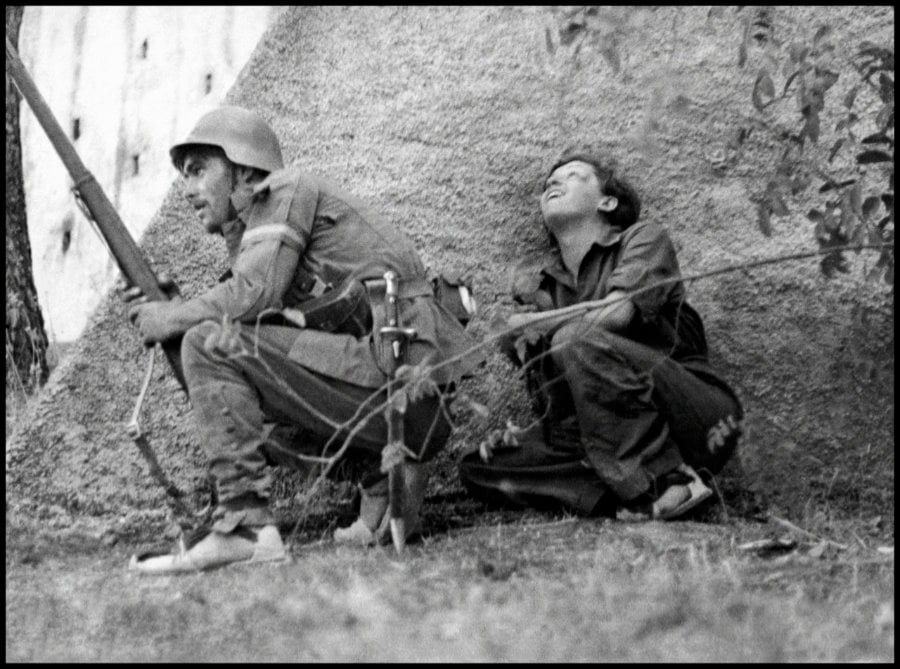
Gerda Taro did not merely photograph conflict; she entered it, collapsing the distance between the camera and the body holding it. She died doing so. Her images were later folded into a masculine mythology of war.
Dorothea Lange photographed economic devastation from the inside, refusing sentimentality, exposing how poverty is gendered, inherited, enforced.
When Frances Benjamin Johnston photographed herself dressed as a man, beer in hand, cigarette poised, it was not rebellion for spectacle. It was authorship and assertion.
For women to photograph for themselves required dismantling the visual language altogether. That work unfolded slowly, insistently – in kitchens and bedrooms, clinics and nurseries.
Imogen Cunningham elevated domestic life to serious subject matter. Tina Modotti fused photography with feminism and anti-capitalist politics, refusing the lie that aesthetics and ethics could be separated.
When women photographed motherhood from the inside, it ceased to function as symbol. It became labour. Exhaustion. Intimacy. Rage. These images were never allowed to stand as universal; they were dismissed as personal – as if the domestic were not already the most heavily policed political theatre.
Female desire followed the same trajectory. When women photographed their own bodies – showcasing ageing, desire, wounding and living – they were accused of narcissism, excess and indecency. Nan Goldin was never threatening because of sex or nudity. She was threatening because she refused to aestheticise survival.
This is the pattern: recognition without permanence. Visibility without inheritance.
Berenice Abbott dismantled the romance of modernity by photographing cities as systems.
Zanele Muholi reframed portraiture as survival work, producing an archive that refuses both victimhood and spectacle while insisting Black queer lives be seen on their own terms.
Graciela Iturbide rejected ethnographic distance, photographing women and Indigenous communities not as symbols but as agents.
Susan Meiselas. Vivian Maier. Jo Spence. Cindy Sherman. The lie of the first woman allows institutions to congratulate themselves without changing anything. It converts collective labour into singular mythology. It replaces accountability with trivia.
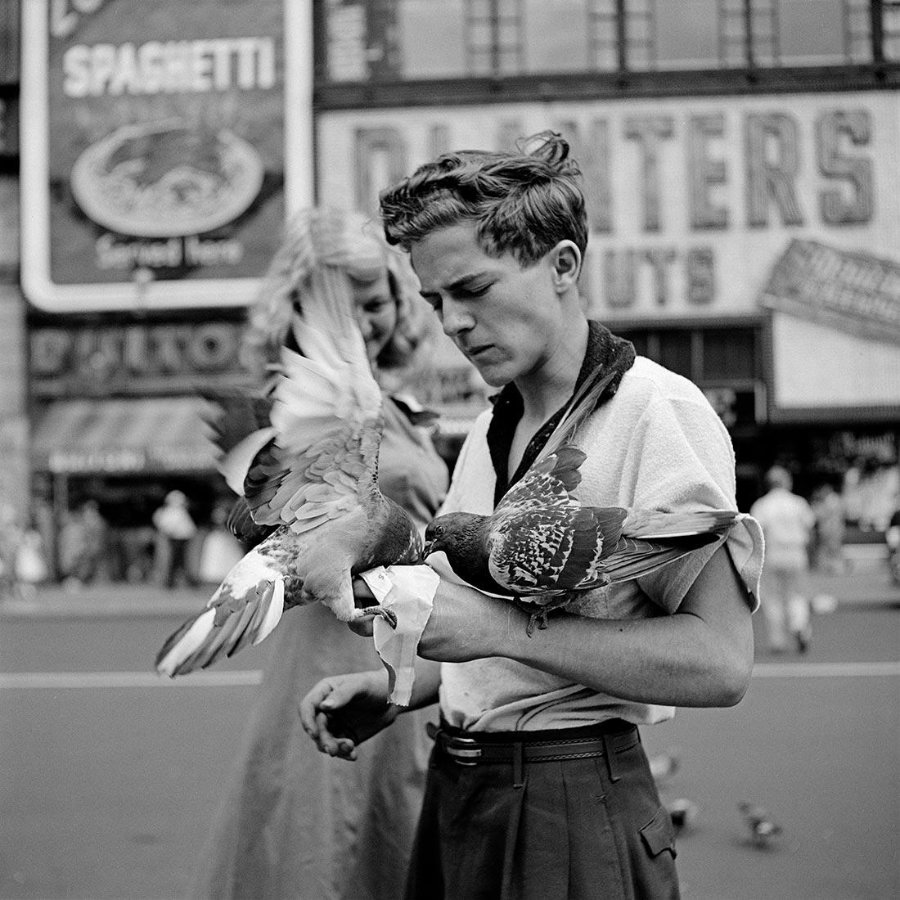
The truth is harder and far more uncomfortable. Photography, as we know it, was built by women who refused the visual grammar they were handed. They photographed their bodies when told not to look. They documented intimacy when the public sphere denied them entry. They insisted that domestic life, female desire, ageing, care, and dependency were not marginal subjects, but centralised ones.
They were angry and real and unrecognised. And history has been trying to erase the evidence ever since.
They took the images. They made the work. And if you can only name the men, the silence is intentional.
About the Author
Tiffany Tangen is Head of Content at Wex Photo Video.
The Wex Blog
Sign up for our newsletter today!
- Subscribe for exclusive discounts and special offers
- Receive our monthly content roundups
- Get the latest news and know-how from our experts