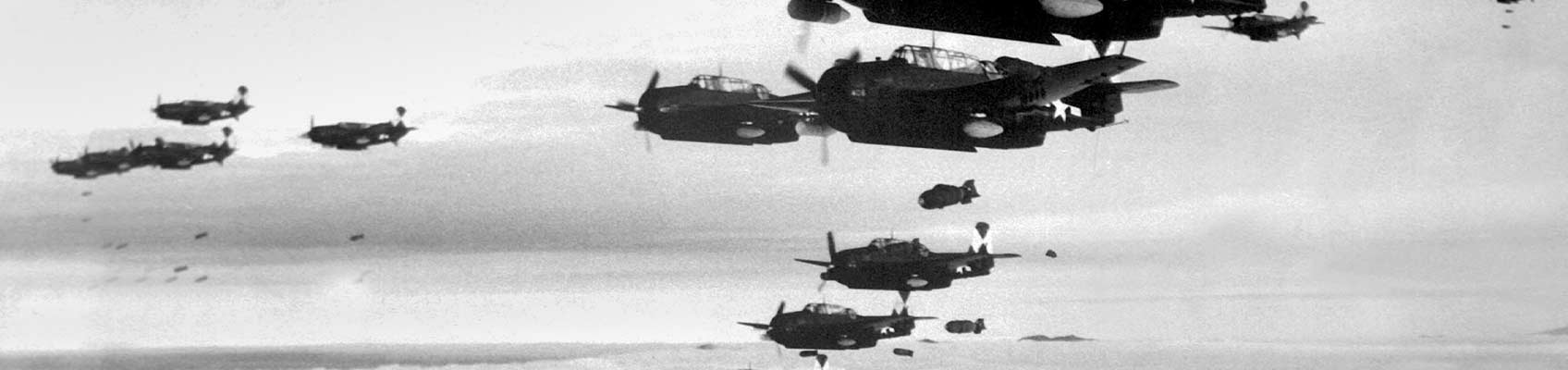
A single image can have a profound impact, changing how we see the world and the rules that govern it. Photography functions as a means of both art and evidence. In both cases, we’re able to freeze a moment in time, immortalising it.
Photography has the power to influence not just the hearts and minds of people, but laws and political action, from civil rights to environmental protection.
We’ll be looking at the relationship between imagery and law, key historical examples, photography as legal evidence, modern context in the digital age, and the ethical dilemmas that surround this subject area.
Imagery and law
“I have been a witness, and these pictures are my testimony. The events I have recorded should not be forgotten and must not be repeated.”
(James Nachtwey, 2001, Inferno)
The relationship between imagery and law and policy is long-established. Photography, specifically, has been used as documentation, evidence, and a means of activism. More recently, with video surveillance and the now-common presence of smartphone cameras, imagery’s ability to influence, uncover truths and make meaningful change has intensified.
Visual journalism as a whole has shaped how we are exposed to and confront the truth. From wartime reportage to human rights documentation and environmental campaigning, photographs and video footage provide visual testimony that words alone cannot convey.
When shown in court or broadcast to the public via TV or social media (although these means hold their own issues of legitimacy due to doctored footage and photo manipulation), images can influence those in positions of power to not just hear what is happening, but also see it. Through the sharing of verified imagery, societal issues can be conveyed as undeniable realities, which in turn can prompt decisions and actions from lawmakers that can create or reinforce laws intended to protect us.
Moments that forced the world to look
We’ve seen plenty of examples of photographs that have prompted change over the past 100 years. One is the infamous “Napalm Girl”.
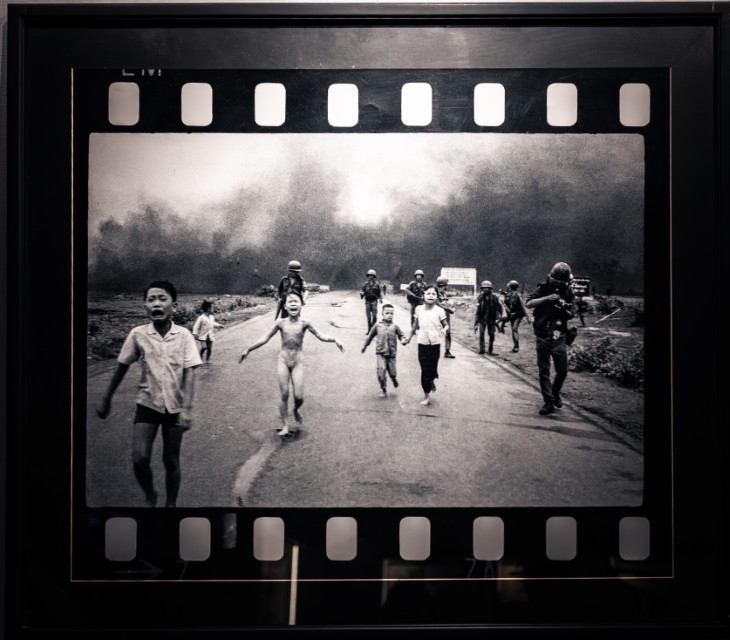
On the 8th of June, 1972, a South Vietnamese Skyraider dropped four napalm bombs close to Highway 1, north of Saigon. Villagers scattered, and photographer Nick Ut heard a young girl screaming, “Nong qua! Nong qua!” (Too hot! Too hot!). When he looked through his viewfinder, he saw a nine-year-old Phan Thi Kim Phuc running naked down the street, having pulled off her burning clothes.
This harrowing photograph quickly appeared in newspapers around the world, becoming an iconic image symbolising the failures of the Vietnam War. It influenced public opinion and forced the US government to reconsider its involvement in the war. It remains one of the most unforgettable images of the US war in Vietnam.
Today, the photograph speaks to the horror of war in general and connects viscerally to the images of civilian casualties coming out of Ukraine.
(Since its publication in June 1972, it has been officially attributed to Nick Ut, a Vietnamese photographer working with the Associated Press in Saigon. Although this has been disputed by a recent documentary, covered by the Guardian, which proposed that it was taken by a man named Nguyen Thành Nghe.)
A more contemporary example comes from photographic and video coverage of sewage pollution in UK rivers.
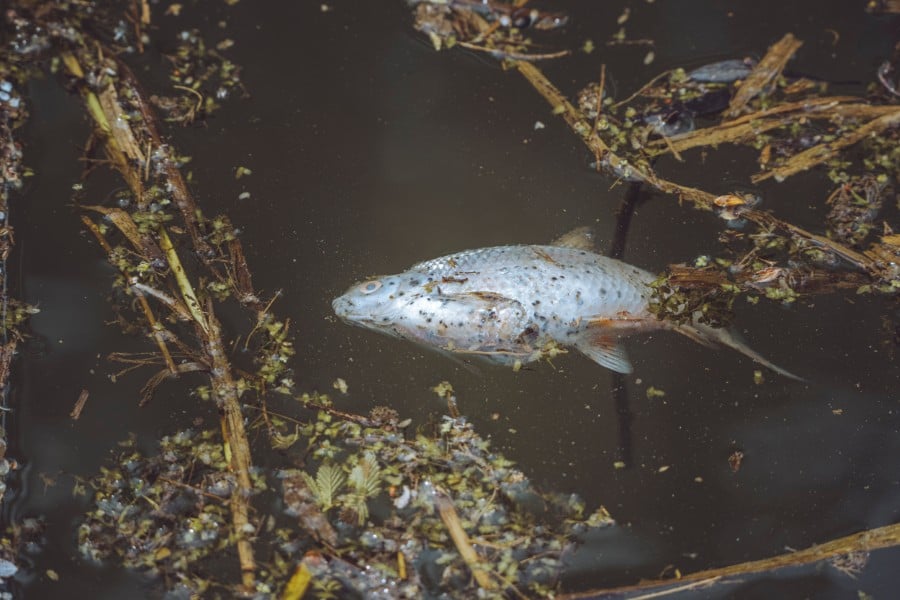
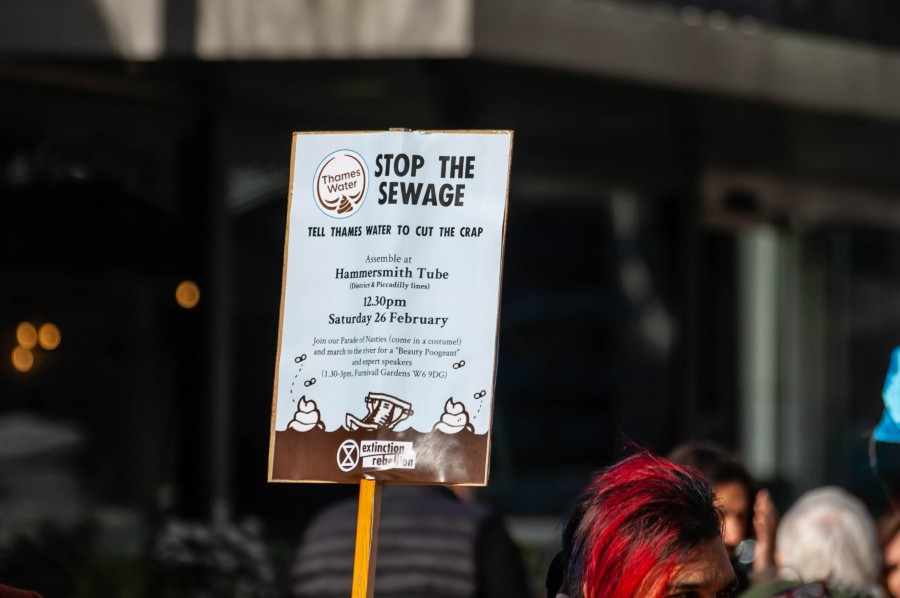
Thames Water was fined £2.3 million for what the Environment Agency called “entirely foreseeable” pollution. Images of dead fish and toxic sludge showed clear environmental neglect. These images spurred regulatory investigations, and Aylesbury Crown Court found that Thames Water’s Henley treatment works had inadequate monitoring and faulty equipment, and had failed to respond properly to alarms.
But the impact goes beyond the fine. In 2025, the Water (Special Measures) Act came into force, giving regulators much greater power to impose more severe penalties, including that company bosses can now be jailed for up to two years if they obstruct investigations.
This Act also allows for automatic financial penalties for certain offences, removing limits on civil fines in some cases, and bans executive bonuses when environmental standards are breached. All of these are tangible legal and regulatory changes that have been introduced, in part, by the images captured of visible pollution.
Photography as legal evidence
Photo and video evidence is routinely used in war crime trials, human rights cases, and police accountability.
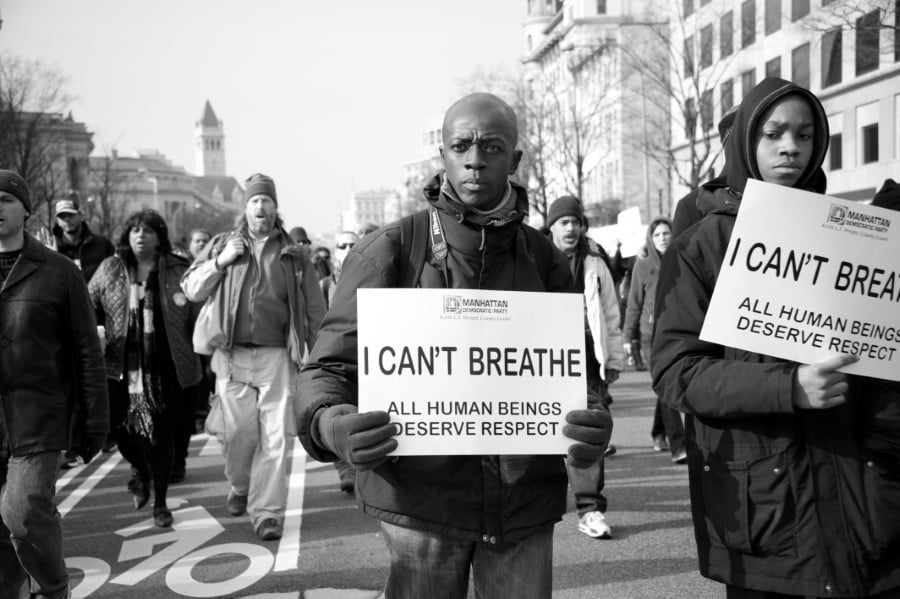
An example of the latter comes from the murder of George Perry Floyd Jr. on May 25th, 2020. For nine minutes and 26 seconds, Minneapolis police officer Derek Chauvin pressed his knee and the weight of his body against Floyd’s neck. Chauvin killed him in the street as people watched; two officers held the unarmed, handcuffed Black man down, while a third monitored the crowd that was stunned by what it witnessed. Everything that transpired was photographed and filmed, producing footage that was later used in court to convict Chauvin of two charges of murder and a third of manslaughter.
Floyd’s murder, and the images that documented it, set off a series of protests around the world in support of the Black Lives Matter movement, and subsequently threw police reform into the forefront, reshaping policing policies and protest laws worldwide.
Had it not been for the citizen journalism and smartphone imagery taken that day, we may have seen a very different outcome, and justice may not have been served.
“Photographs furnish evidence. Something we hear about, but doubt, seems proven when we’re shown a photograph of it.”
(Susan Sontag, 2008, On Photography)
Ethics, misinformation and manipulation
“The photograph is incontestable; yet it is not entirely believable.”
(Roland Barthes, 1981, Camera Lucida: Reflections on Photography)
Photography’s power beyond aesthetics can expose injustice, sway public opinion, and shape policy. But we have to acknowledge that there are complexities and nuances, especially as technology continues to develop.
Social media, in particular, is a worrisome advancement. It can and often is used to document and expose issues, but equally can be weaponised to create division and vilify those from opposing groups. The internet in general is rife with misinformation; add intelligent and indistinguishable deepfake AI manipulation, and tampered imagery is a reality. Even Donald Trump, the president of the most powerful country in the world, is posting AI-generated content that many people will believe, or will not see why it’s so damaging to do so.
Photo manipulation has been present since the dawn of photography, but photography used to be incontestable, for better or worse. Now, we, and lawmakers especially, have to scrutinise every photograph and video clip meticulously to judge legitimacy.
Equally, we have to consider where the line is between raising awareness and exploiting trauma. It depends on the subject matter, but photographers, the media and ordinary people should all consider consent and dignity with regard to people they photograph, as well as the potential long-term impact of published images.
We need legitimate images from reliable sources, because while many of us do not take every image (or headline) at face value, many others will. Doctored images and footage can all too easily change the narrative.
Photography’s power to shape change
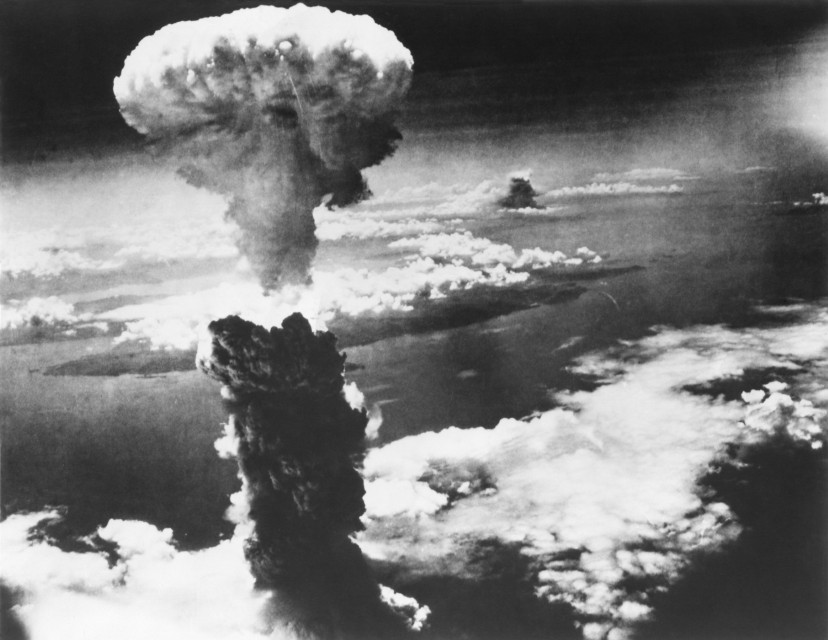
Despite the growing use of photo manipulation, images remain one of the most powerful tools for truth and accountability that we have. And, it’s not outlandish to think that the next image that changes the law may already be in someone’s camera roll. A single profound photograph that changes how we see the world.
“You can’t change the world with one photograph. But you can start to change minds, and that’s where change begins.”
(Lyndsey Addario, 2015, It’s What I Do: A Photographer’s Life of Love and War)
This article is part of our #ChangeTheImage | Capturing Humanity campaign.
For generations, photographers and journalists have pursued a single, enduring ambition: to reveal our shared humanity. The images and films they create do more than document events — they shape our understanding of the world and our place within it.
Here at Wex Photo Video, we are constantly reminded that how we choose to capture the world has never mattered more. The way we see — and the way we portray others — holds the power to influence the world around us, from shifting public opinion to inspiring meaningful change. We are reminded once again of the profound importance of documenting the lives, stories, and moments that shape our shared human experience.
About the Author
Leo White has been part of the Wex Photo Video team since 2018, taking on roles from the contact centre to the product setup team. Holding both a BA and an MA in photography, Leo brings a wealth of expertise he’s always ready to share.
The Wex Blog



Sign up for our newsletter today!
- Subscribe for exclusive discounts and special offers
- Receive our monthly content roundups
- Get the latest news and know-how from our experts