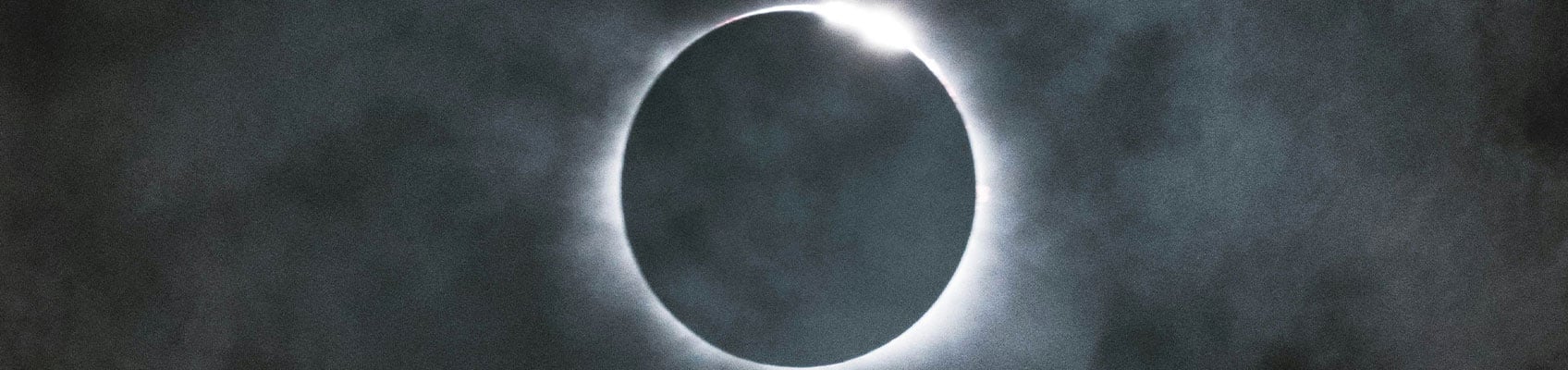
Soon in the UK we’ll be treated to a very special event – a near-total solar eclipse. On August 12, the moon will almost fully cover the sun, providing the closest we’ve had to a total solar eclipse since 1999!
It’s going to be an unmissable event, and as such, a perfect opportunity for some photography. However, capturing a solar eclipse photographically isn’t simply a matter of pointing your camera at it and hoping for the best. Indeed, you could do your camera or even yourself some real damage that way.
Instead, it’s best to prepare in advance. Here are our top tips to help you get ready in time to capture some spectacular eclipse images. And it’d be best to give this one a go if you’re interested, as the next total eclipse after this one won’t come along until September 23rd… 2090!
Safety first in all respects – you NEED a solar filter
This is one hundred percent the most important aspect of shooting a solar eclipse, and if you take only one thing from this article, it should be this. Looking at and photographing the sun directly, even while it is partially obscured by the moon, can be dangerous, and it is imperative to take proper precautions beforehand.
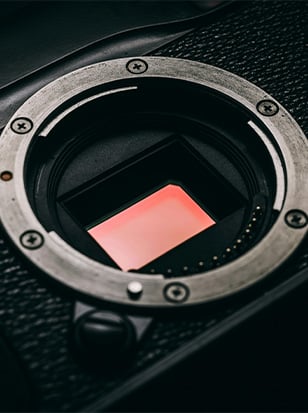
For your camera, it’s necessary to use a solar filter. This is a type of filter that is specifically designed for photographing the sun directly, and it will allow you to capture eclipse images without damaging your camera’s sensor. No, a strong ND filter will not do. It needs to be a solar filter.
If you'd like an idea of the damage that it can cause, take a look at this article over at the Wex Repair Centre...
Urth produces a range of 16.6-stop Solar Filters specifically designed for solar and eclipse photography, available in a range of filter thread sizes – and if the correct size for your lens isn’t available, you can always use step-up filters to bridge the gap.

Also available in 72 mm, 77 mm, 82 mm, and 67 mm.
You also need to protect your eyes for viewing the eclipse yourself. Again, regular sunglasses won’t cut it – you need glasses that are specifically optimised for solar viewing. The Celestron EclipSmart Solar Eclipse Glasses are inexpensive and made with an ISO 12312-2:2015(E) certified filter and Solar Safe film for safe direct solar viewing.
Also please note that solar eclipse glasses do not magically allow you to look directly at the sun through binoculars or a telescope. They simply do not. Don’t do this.
To repeat one more time: don’t look directly at the sun without protection. Don’t look directly at the sun through a viewfinder. Don’t expose your camera’s sensor to the sun with a big telephoto lens if you don’t have a solar filter. Basically – don’t be silly.
Long lens, sturdy tripod
If you want to capture striking, frame-filling images of the eclipse, rather than a small image of an eclipse surrounded by other stuff, you’re going to need a long telephoto lens. This is a situation where you’ll be at an advantage if you use a camera with a smaller APS-C or Micro Four Thirds sensor, as the crop factor will extend the effective focal length of lenses.
Ideally, you want at least 300mm equivalent focal length. On a full-frame camera, that’ll naturally mean you need a 300mm lens, but on APS-C you’ll get away with 200mm, and on MFT just 150mm will be sufficient. Naturally, if you can get more telephoto power than this, then all the better.
A good sturdy tripod is also essential. You’ll need to lock your camera into the correct position
Practice before the big day – shoot the moon!
You don’t want the first time you ever attempt to photograph a big celestial object to be the few precious minutes of the actual eclipse. There’s time before the big day – so practice! The moon is readily available as a test subject, so get used to setting up and practice photographing it. Figure out how to optimally focus your lens to capture sharp and detailed images of the moon.
Set up well before kick-off
Again, the eclipse is only going to last for a few minutes – and you don’t want to be fiddling with your camera during those few minutes. Set up your camera and tripod well before the eclipse starts. Use your solar filter to focus on the edges of the sun – you can zoom in using Live View to check that the focus is correct. Make sure you are in position, calm and ready.
Shoot in RAW, keep ISO low, watch the highlights
Shooting in RAW is a must. It’s going to be tricky to balance the exposure and avoid blown-out highlights, and you’ll vastly improve your chances of doing so if you shoot in RAW. Keep your ISO as low as you can, as noise in the dark areas of the image will distract from your main subject. Err on the side of caution when it comes to your highlights, as it’ll be all too easy to blow them out to a level that even a RAW file won’t be able to recover. Consider bracketing your exposures to maximise your chances – most cameras will have a setting that allows you to do this.
Remember to take care above all else, and you should be able to come away with some spectacular images of this once-in-a-lifetime event – and do so safely!
About the Author
Jon Stapley is a London-based freelance writer and journalist who covers photography, art and technology. When not writing about cameras, Jon is a keen photographer who captures the world using his Olympus XA2. His creativity extends to works of fiction and other creative writing, all of which can be found on his website www.jonstapley.com
How do we decide?
Our in-house photography specialists, store staff, and industry partners work together to review our buying guides and advice articles. We also monitor emerging trends and listen closely to customer feedback, ensuring our recommendations stay current and relevant to what photographers and filmmakers are actually looking for.
By carefully curating the products we recommend, our guides are designed to offer clear, trustworthy advice that helps customers choose the right kit with confidence.
If you would like further advice, our contact centre team are here to help. You can also reach us via email or social media. And remember, if you purchase based on our recommendations, your order is covered by our full returns policy.
Trending Buying Guides
Sign up for our newsletter today!
- Subscribe for exclusive discounts and special offers
- Receive our monthly content roundups
- Get the latest news and know-how from our experts