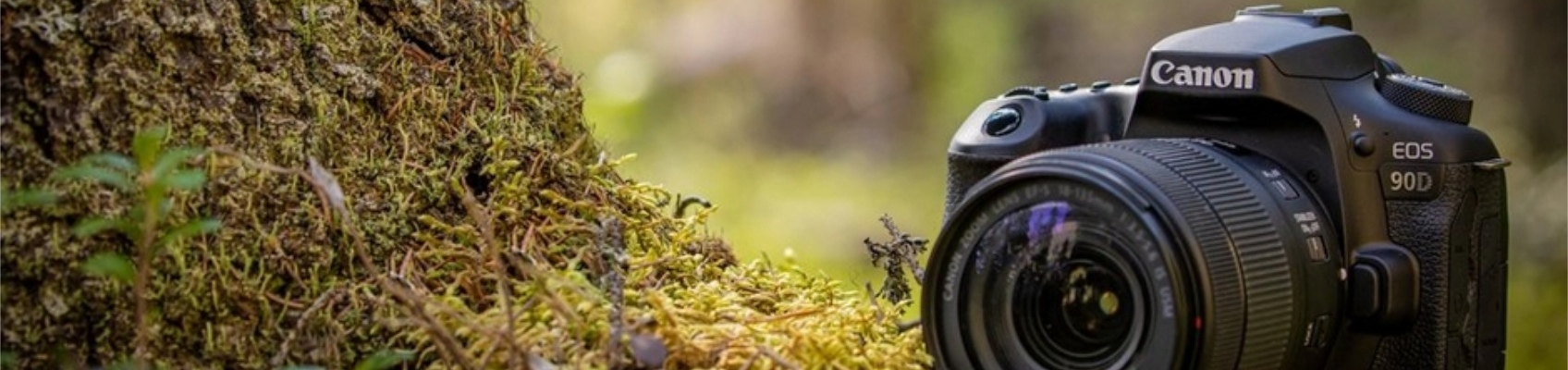
Weighing up Canon mirrorless vs DSLR cameras when you’re on a budget is a tricky thing. Canon’s mirrorless EOS R cameras are the future of the brand and are the place where it’s putting all of its resources in developing new cameras. While the firm still manufactures EOS DSLRs, it no longer develops new ones. Mirrorless is very much the way of the future.
However, many photographers still use and love their Canon DSLRs. They’ve built up a collection of EF lenses that work with their camera, and they aren’t sure they want to swap it all for a new system. And this isn’t just an issue for photographers who bought their kit a long time ago – since DSLRs provide excellent value on the used market, many are still buying them as a first or upgrade camera.
Let’s look at an example. If you’re someone with £1,000 to spend on a new camera, you might reasonably be weighing up the Canon EOS 90D vs the EOS R10. These are, respectively, a DSLR and a mirrorless camera, both with APS-C sensors, both striking a good balance between ease of use and image quality.
The Canon EOS R10 Digital Camera with 18-45mm lens kit costs £1,099. That is a great kit for a beginner photographer. However, a used Canon EOS 90D can be picked up for as little as £699 in ‘Good’ condition, and paired with a Canon EF-S 18-135mm f3.5-5.6 IS Nano USM for less than £170. You can see why any budget-conscious photographer would be tempted. And reading any used Canon EOS 90D review, you can see that this DSLR still has a lot going for it, with a 32.5MP sensor and 11fps burst shooting.
“But aren’t I locking myself into a soon-to-be obsolete system by choosing a DSLR?” you might reasonably ask. Happily, no!
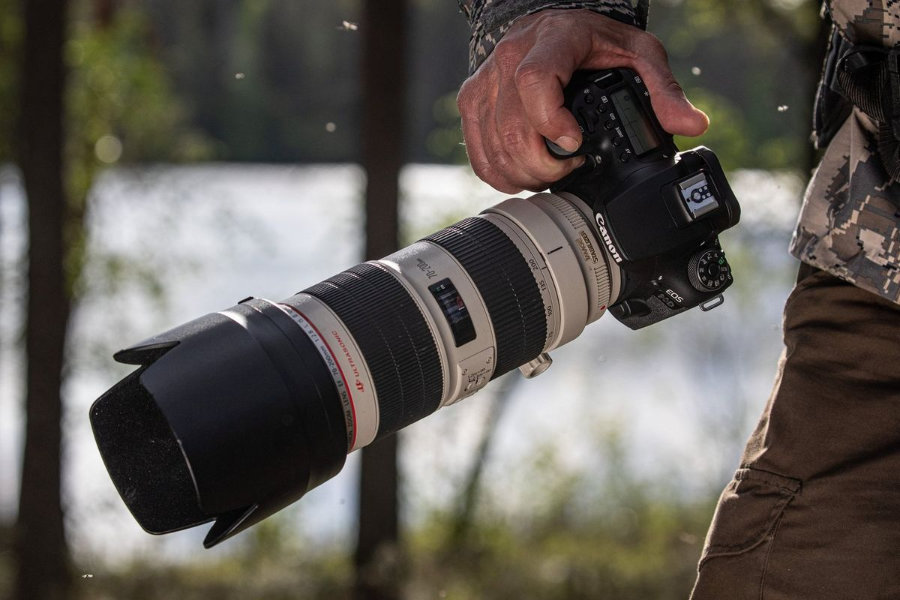
Easily adapted lenses
When Canon developed the EOS R mirrorless system, the firm knew that one of the biggest challenges would be persuading photographers to move over to a whole new system. The solution it came up with was the EF-EOS R adapter.
This affordable little accessory forms a bridge between the two systems. Not only does it allow you to fit EF DSLR lenses onto EOS R mirrorless cameras, but it also preserves full electronic functionality of the lens in the vast majority of cases. This means that features like autofocus and stabilisation that previously worked with your DSLR will work with your mirrorless camera (this is true for all but a small handful of very old lenses).
As such, I think if you’re worried about going for a cheaper DSLR because you might lock yourself into an older system – you shouldn’t be! It couldn’t be easier to use EF lenses on the EOS R10 or any Canon EOS R camera, all you need is an inexpensive adapter.
So, if you’re weighing up Canon mirrorless vs DSLR on a budget, you can rest easy in the knowledge that neither choice is “wrong”. Both have their own advantages, and if you pick the DSLR, you’ll easily be able to adapt in the future, if and when the time comes to make the mirrorless leap.
Take a look at our extensive range of second-hand products here!
About the Author
Jon Stapley is a London-based freelance writer and journalist who covers photography, art and technology. When not writing about cameras, Jon is a keen photographer who captures the world using his Olympus XA2. His creativity extends to works of fiction and other creative writing, all of which can be found on his website www.jonstapley.com
The Wex Blog



Sign up for our newsletter today!
- Subscribe for exclusive discounts and special offers
- Receive our monthly content roundups
- Get the latest news and know-how from our experts