If you’re hunting for a budget camera for wildlife, there are three key features you need to target: autofocus speed, burst speed and telephoto reach. This is also the case for sports photography, as the two disciplines share a lot of DNA.
You might assume that you need to spend big to make this happen, but I’m going to show you a cheat code. You can make your money go much further by looking at a second-hand DSLR – and still get many of the same advantages as you would from a new beginner mirrorless camera.
I’ll compare two Nikon cameras to show you what I mean. A safe recommendation often made for beginner wildlife photographers is the Nikon Z50 II, available in a bundle with 16-50mm and 50-250mm lenses for £1,099. Now, the Z50 II is a cracking entry-level mirrorless camera, and with those two lenses, that is excellent value.
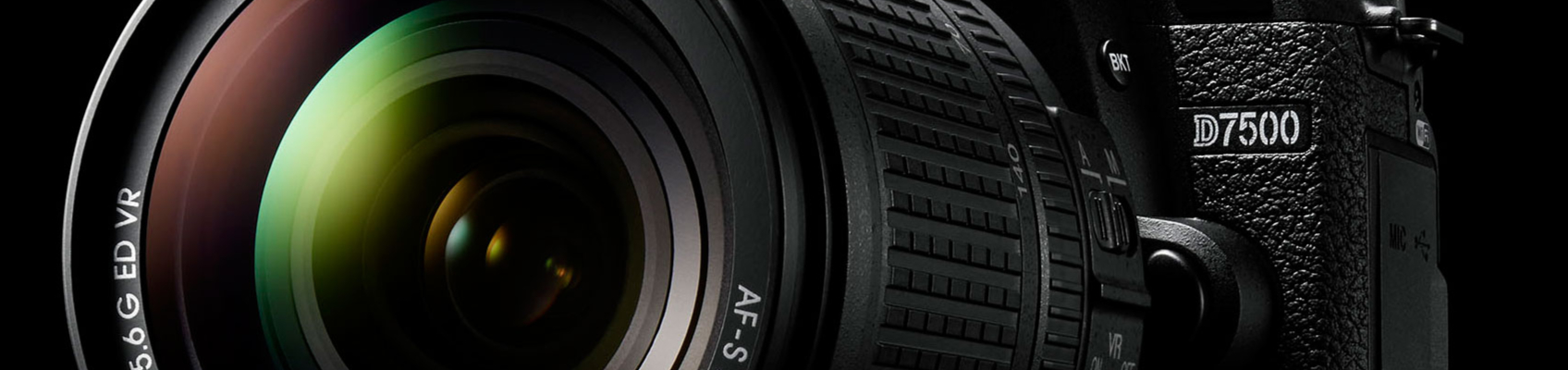
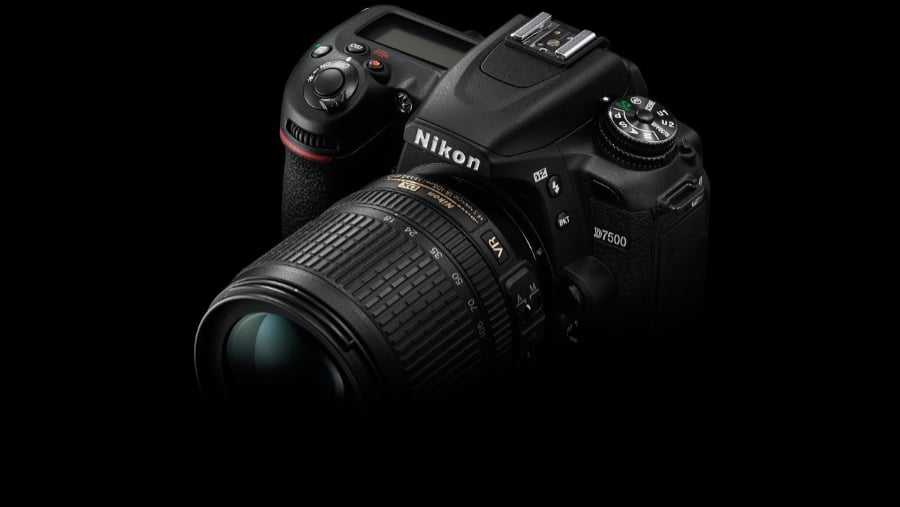
But I would strongly advise considering the Nikon D7500. A DSLR introduced in 2017, it’s available on the used market for as little as £485 in ‘Good’ condition or better. Pair it with a Nikon AF 70-300mm G lens, available in similar condition for as little as £68, and you’ve spent just over half what you would have spent on the mirrorless kit.
The Nikon D7500 is a DX-format (APS-C) DSLR that’s light on its feet. Using the same processor as Nikon’s famous wildlife-specialist D500, it hits healthy burst speeds of 8fps and boasts a 51-point autofocus system capable of tracking moving subjects.
Now, the Z50 II has this beat on every front. The mirrorless model shoots at 11fps, and uses a 209-point AF system with intelligent subject recognition. But when you look at the Nikon D7500 vs the Z50 II for sports photography and wildlife – the combo on the D7500 is still really damn good! It’s fast, accurate, and in the nine years since the camera’s release, thousands of fantastic sports and wildlife images have been captured on it.
Read any used Nikon D7500 review in 2026, and you’ll see praise heaped on its fast and accurate focusing, and its ability to track. For learning the ropes of wildlife or sports photography, it still does the job – for half the price!
FX vs DX? Why APS-C can be better for wildlife
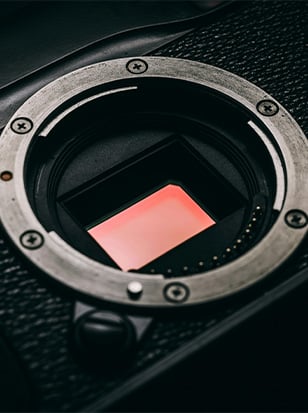
Nikon refers to its full-frame cameras as ‘FX’, and its cameras with smaller APS-C sensors as ‘DX’. Both the D7500 and the Z50 II are DX cameras, meaning they have a smaller sensor than flagship pro models like the Z8. While the smaller physical size has an impact on raw image quality (full-frame is better in this regard), it also confers certain advantages – particularly for sports and wildlife.
The smaller size of the DX sensor means that it confers a ‘crop factor’ on lenses. The cropped image circle extends the effective focal length of a lens, boosting its telephoto capability by 1.5x. This sounds more complex than it is – essentially, all it means is that when mounted on a DX camera, a 70-300mm lens behaves like a 105-400mm lens.
For beginners, I’d always recommend an APS-C camera for challenging subjects like birds of prey, because of the crop factor. DX format gives you the kind of telephoto reach that pro sports and wildlife photographers use, at a fraction of the cost. And for my money, a used DSLR like the D7500 is a brilliant way to get that cost down even further.
Take a look at our extensive range of second-hand products here!
About the Author
Jon Stapley is a London-based freelance writer and journalist who covers photography, art and technology. When not writing about cameras, Jon is a keen photographer who captures the world using his Olympus XA2. His creativity extends to works of fiction and other creative writing, all of which can be found on his website www.jonstapley.com
The Wex Blog



Sign up for our newsletter today!
- Subscribe for exclusive discounts and special offers
- Receive our monthly content roundups
- Get the latest news and know-how from our experts