
Choosing the right camera accessories can make a huge difference to your photography, but with so many options, it can be hard to know where to start. The accessories you need will depend on your camera, lenses, shooting style, and personal workflow. What’s essential for a landscape photographer might be unnecessary for a street shooter, and vice versa.
This guide isn’t a definitive list of “must-haves” for every photographer. Instead, it’s a carefully curated overview of the camera accessories our experts rely on, based on years of experience shooting in the field. From stabilisers and tripods to filters and bags, we cover the tools that can improve your workflow, protect your gear, and enhance your shots.
Where relevant, we’ve linked to our in-depth guides for specific accessories, giving you a closer look at how they work and which photographers benefit most from them. Each section highlights the main uses, so you can decide whether an accessory fits your photography style and needs.
Let’s dive into the best camera accessories to buy and discover the tools that can improve your photography.
Camera Bags and Cases: Protect Your Gear
The dangers a camera faces are seemingly endless; during winter months damp, cold and condensation can all pose a significant health risk, while in the summer dust, pollen and heat can be equally damaging. And that’s before you take into account the risks involved in actually using the camera out and about, where it can be dropped, banged into, scratched, knocked and generally abused.
A decent camera bag not only offers vital protection from everyday knocks and bumps, but also provides a far more convenient method of transporting your camera gear than simply stuffing it into your pockets.
There are a huge variety of bags available, from those which house just your camera and a lens for protection with minimum bulk, to those which will take your camera, all your lenses, a tripod, a change of clothes, your lunch and the kitchen sink.
-
Shoulder bags & backpacks: Versatile and portable.
-
Hard cases & rolling case: Perfect for travel and airport use.
-
Waist belts & sling bags: Great for quick access and mobility.
Choosing the right bag depends on your gear, shooting style, and travel needs. If you need some help, check out the guides below:
See more: Best camera bag for photographers, Best camera bag for filmmakers
Tripods and Monopods: Stability for Every Shot
Many photographers manage quite nicely without a tripod and if your photography is mainly of fast-moving subjects that require a fast shutter-speed anyway, then a tripod may not be essential.
That said, plenty of wildlife and sports photographers use them to help keep their huge lenses steady, and if landscape photography is your thing, then a decent tripod can be as important as the camera and lens that sit on it. Why you would want a tripod:
-
Tripod legs keep your camera still
-
Tripod heads (ball, pan, or 3-way) allow precise positioning
-
Separate heads let you customise your setup to your photography style
See more: Best travel tripod for photographers
Filters: Control Light, Colour, and Effects
In today’s age of digital manipulation, it may seem that many creative filters have become redundant. However, there are still some effects which are better applied with filters at the time of shooting rather than in Photoshop.
-
Circular polarising filters: Reduce reflections and enhance skies and colours
-
Graduated neutral density (GND) filters: Balance bright skies with darker foregrounds
-
Neutral density (ND) filters: Allow wide apertures or long exposures in bright conditions, perfect for creating smooth water effects
Square or rectangular filter systems (Lee, Cokin) will give you more flexibility for precise positioning and creative control.
Read more: Best camera lens filters
Batteries: Power Up
Yes, your camera will come with a battery, and yes, it will be rechargeable. As such you may feel that purchasing an additional battery is unnecessary. A spare battery is essential to avoid running out of power mid-shoot, especially during long sessions or in cold weather. Batteries can also fail unexpectedly, making a backup invaluable.
And there are battery grips, which are really important. They offer extra power by holding multiple batteries, give you additional controls for portrait/vertical shooting, and are usually compatible with AA batteries for emergencies!
Lens Accessories
There are a few options we'll cover here. First up: a lens hood.
Question: why do you need a lens hood? If your answer is “to shade the lens from incidental light that can cause flare and distortions in a photograph” then you are right.
But they also offer a significant amount of protection for the front element of your lens from more physical threats. A lens hood will shade your lens from dust and moisture in the air and, perhaps most importantly, will act as a bumper for your lens against impact.
Cleaning Kit: Keep Your Gear Ready
Fact: if you use your camera, it will get dirty. The more you use it, the dirtier it is likely to get. Even if you don’t take your camera up mountains, across fields or through woods, dust, moisture and greasy marks from your hands and face can build up on your camera’s lens, LCD screen and eyepiece. As such, a basic cleaning kit consisting of a soft brush, a lint free cloth and an air blower is a sensible and relatively cheap purchase for any new camera owner.
Sensor Cleaning
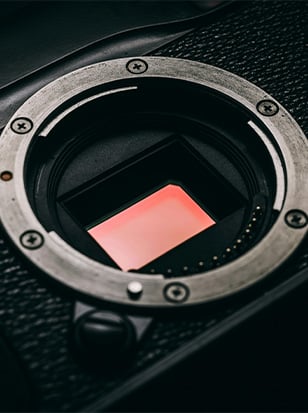
You may also be aware that your camera’s sensor can pick up dust and marks over time. While there are cleaning kits designed specifically for this, not everybody is comfortable with cleaning their own sensor and would prefer to get it done by a professional. In addition, some manufacturers do not recommend that you clean the sensor yourself.
However, cleaning the external surfaces of your camera and lens is not only easy, but is something that every camera owner should regularly do. A smear on the front element of your lens can spoil an otherwise excellent photograph, and passing your camera to someone to show off a great shot on your camera’s LCD screen is embarrassing when the first thing they do is wipe a greasy nose smear off the glass!
Lens cloths do a great job, but lens pens offer even more cleaning power, featuring both a super-soft brush and a velvety pad for removing greasy smudges such as fingerprints.
One of the cheapest and best accessories you can get hold of for general cleaning is a rocket blower. These cool little accessories blow filtered air out of a small nozzle, giving enough pressure to remove dust, sand and other residue from lenses and cameras.
Remote Control: No More Shakey Shots
Camera shake is one of those unfortunate camera effects that can spoil an otherwise perfect picture. Worse still, you don’t always notice it fully until a picture is displayed at a larger size on the computer screen.
A remote release is the perfect solution for ensuring your fumbling hands don’t interfere with longer exposures. Whilst a camera’s self-timer can also be used, a release allows more exact control over the moment the shutter is triggered – perfect for fast-paced action, including fireworks.
Memory Card Storage: Keep Them Safe
If there is anything more important than your cameras and lenses, it has to be your data! Our images are our lives as photographers, and looking after them from shoot to studio is vital. An easy way to make sure none of those SD, CF, XQD or Micro SDs go missing is get a card wallet.
These come in a range of sizes, protecting anywhere from four to twenty storage cards. Some provide waterproof and crushproof construction for another level of security for your precious images. Given that they cost about a fiver, it’s not worth going without and risking losing cards in pockets and other small compartments!
Extra Accessories
Some lesser-known but incredibly handy items include:
-
Head torch: Hands-free lighting for night photography or light painting.
-
Hand warmers: Stay comfortable during long shoots in cold conditions.
-
Carabiners: Attach gear to your bag or stabilise tripods in windy conditions.
-
Shower caps: Cheap rain cover for cameras in wet weather.
-
Folding step/stool: Get elevated perspectives or a compact seat for long sessions.
-
Notebook & pen/pencil: Record shot details, inspiration, or contact info.
-
Gaffer tape & cable ties: DIY solutions for stabilising and securing gear.
-
Fifty pence coin: Quick tool for tightening tripod plates in the field.
These small accessories often solve big problems and are easy to carry in your camera bag.
FAQs
What are essential camera accessories for beginners?
For beginners, some essential accessories you should look for are a camera bag to protect and transport your gear, a sturdy tripod for stable shots, extra batteries to ensure you don't run out of power, memory cards with ample storage space, and a lens cleaning kit to maintain the clarity of your lenses.
Why do photographers use filters on their lenses?
Photographers use filters on their lenses to achieve specific effects and protect their equipment. UV filters protect the lens from dust, scratches, and moisture. Polarising filters reduce glare and reflections, enhancing colour saturation and contrast. Neutral density (ND) filters allow for longer exposure times in bright conditions, creating motion blur effects or achieving a shallow depth of field.
What should I consider when buying a tripod?
When buying a tripod, you need to think about stability, weight, height, and ease of use. Stability is crucial for sharp images, especially in long exposures. Lightweight tripods are ideal for travel but ensure they are sturdy enough to support your camera. The height should be adjustable to suit your shooting needs, and the tripod should be easy to set up and adjust. You’ll also want to look for tripods with a good locking mechanism and a flexible head for various angles and positions.
Sign up for our newsletter today!
- Subscribe for exclusive discounts and special offers
- Receive our monthly content roundups
- Get the latest news and know-how from our experts