With the best instant cameras, you can forget about pixel-peeping and focus on fun. We can all admit it – instant film is just cool. Snapping shots and a few minutes later having a glorious analogue Polaroid or Instax print in your hand is infectious fun, and all the megapixels in the world can’t capture the same magic.
Modern instant cameras also benefit from a few features that old Polaroid cameras from the 1970s notably did not have, like wireless connectivity that allows you to trigger them using your smartphone, or save digital copies of your images. You also can make use of specialist shooting modes like double-exposure or self-timer, or load up with different film types for creative effects.
We’ve pulled together all the best instant cameras, with options available for all budgets.
Best instant camera for beginners:

|
Pros:
Cons:
|
Compatible film: |
Resurrecting the good old flip-up flash, the Polaroid Flip is an addictively enjoyable instant camera that’s the perfect choice for anyone starting out on their instant photography journey. Unlike previous cameras in the series, it offers manual exposure control and a four-zone focusing system, letting you get much more involved with the process of image-making, and producing better prints for it.
Manual control can be conducted via the Polaroid app, which the camera connects to the instant you flip it open, making for a wonderfully immediate experience. The aforementioned flash is also pleasingly powerful, with a range of 4.5m, and the four-zone focusing system really does work in terms of delivering sharper images. The flagship I-2 (below) has this camera beat in terms of its tech and quality, thanks to LiDAR focusing and a proper glass lens. However, it also comes at a higher cost, making the Polaroid Flip the better choice for most users.
Best quality instant camera:
|
Pros:
Cons:
|
Compatible film: |
We often talk about instant photography as knockabout fun. Well, this is a camera for those who want to take it a little more seriously. The Polaroid I-2 Instant Camera is definitely the best instant camera you can buy right now in terms of being the most sophisticated, with the option to take full manual control of exposure settings, as well as LiDAR autofocus. It’s streets ahead of most other instant cameras.
Does everybody need this kind of functionality? No, probably not – which is why the I-2 doesn’t sit at the top of our list. It’s going to appeal to a relatively small subset of instant film enthusiasts, those who are interested in instant imagery more as art than entertainment. If that sounds like you, then the Polaroid I-2 will more than justify its considerably higher price tag than other Polaroid cameras.
Best Instax camera:
|
Pros:
Cons:
|
Compatible film: |
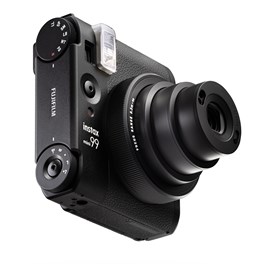
Instax cameras are hugely popular for a reason. They’re addictively fun to use, they produce attractive little prints that look great in a scrapbook, and they’re generally cheaper to both buy and run than Polaroid cameras. While the prints are smaller than Polaroids, and therefore less detailed, they’re still a lot of fun to make, and for our money, the best camera to do it with is the Instax Mini 99.
Offering a greater degree of control than many cheaper Instax cameras, which are often little more than point-and-shoots, the Instax Mini 99 features a brightness control dial that allows you to dial in how you want an image to look. Its lens also has zone focusing modes, allowing you to toggle between landscape, macro and standard focusing. It runs off a rechargeable battery, which we think is preferable to having to mess around buying AAs (not to mention more environmentally friendly).
Best instant camera for travel:
|
Pros:
Cons:
|
Compatible film: |
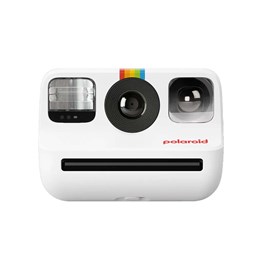
The Polaroid Go Gen 2 is the latest-gen upgrade of the dinkiest instant film camera you can buy.. As you might therefore expect, it doesn’t take regular Polaroid I-Type or 600 film, instead loading up on its own proprietary format: Polaroid Go colour film, which produces an image with an area of 47 mm x 46 mm (plus the obligatory white border).
The fact that it looks so tiny next to the bulkier Instax or Polaroid Now cameras makes the Go a tremendous travel companion, easy to slip into a jacket pocket or even clip to a belt loop. It lacks some of the fancier features of the more advanced models; unlike the Now cameras, which offer some autofocus functionality, the Go is limited to fixed focus only. However, it’s tremendously easy to use, and the prints it creates have that Polaroid “cool factor” in spades.
Best digital/instant hybrid:

|
Pros:
Cons:
|
Compatible film: |
If Instax prints are too small for you, the cinematic-looking Wide prints may be just the thing. Wide prints measure 108 x 85mm, which is double the width of Mini prints, and the Fujifilm Instax Wide Evo Hybrid also incorporates a number of digital features to help you get the best out of them. One is the ability to preview your images before hitting print! The Instax Wide Evo Hybrid saves images digitally, and has an LCD screen on which you can check your shots and make a few adjustments if needed.
The 16mm wide-angle lens helps you fit plenty into the shot, and the built-in selfie mirror allows you to easily frame self-portraits. If you prefer, you can also use the app to connect to the camera wirelessly, meaning you can trigger the shutter remotely, or print photos from your phone’s camera roll onto Instax Wide.
Tips
Once you’ve got your instant camera, the fun can begin! But it can all be a bit daunting if you’ve not had much experience shooting with instant film. Here are a few tips to help you get started:
Don’t try to capture too much - You’re working with a pretty small surface area with an instant photograph, and unlike with digital, there’s no cropping in. Don’t try to capture too many elements in a single photograph – keep it focused on a single subject for best results.
Respect the minimum focus distance - Instant cameras will list the minimum focusing distance of their lens either in the manual or on the lens itself. It’ll probably be between 30 and 60cm. Get too close, and your image will be a blurry mess.
Try to avoid harsh contrast - Many instant cameras, particularly Instax, have a somewhat narrow dynamic range. High-contrast scenes – meaning they have areas of intense brightness and intense darkness – will probably render quite poorly on instant film. A scene that’s lit in a balanced way will probably come out much better. Cloudy days are a boon for instant photographers!
Centre your subjects - When taking photographs on digital or 35mm film cameras, we often don’t want a subject dead centre. Composition techniques like the rule of thirds have us placing the subject of interest in an image away from the centre for a more visually pleasing look. With instant photography, however, you want to keep things simple and central. Remember, you’re working a very small visual area here, and a camera with either a highly simplistic autofocus system, or no autofocus system at all. Many instant cameras, particularly Instax, have a central viewfinder reticule for framing up your main subject – use it!
Watch out for fingers - With instant cameras, it’s very easy to accidentally ruin a shot by placing a finger over the lens, or even over the flash. Check your grip before hitting the shutter button, as there are no do-overs when it comes to instant film.
Remember to try out double exposures - Many modern instant cameras have the double exposure mode, so use it! Sometimes the results will be a bit of a mess, but sometimes you’ll come up with an inspired creation you never could have achieved otherwise. And that’s a big part of the fun when it comes to instant photography.
Get connected - Remember there’s a smartphone app for Polaroid, Instax and Kodak. Use them! They offer loads of exciting up-to-date features, in some cases including the ability to control your camera remotely, as well as saving digital copies of your images.
Embrace imperfection - You’re not going for flawless technical perfection here. Instant photography, by its very nature, is fast and loose. Remember to have fun and enjoy the strange alchemy of shooting instant pictures, and you may surprise yourself with the results!
FAQs
What is an instant camera?
An instant camera is a type of camera that produces a physical print of the image immediately after taking the picture.
How does an instant camera work?
An instant camera works by exposing film to light when the picture is taken. The film contains chemicals that react to the light, producing a visible image on the film. The film then passes through rollers that distribute a developing agent across the film, creating a visible image that is ready to be viewed.
What kind of film do instant cameras use?
Instant cameras use instant film, which is a type of photographic film that produces a visible image immediately after exposure. The film contains chemicals that react to light to produce the image.
How long does it take for the image to develop on an instant camera?
The development time of an instant camera depends on the specific model and film used. Typically, it takes anywhere from 30 seconds to several minutes for the image to fully develop.
Can I adjust the settings on an instant camera?
Some instant cameras have basic settings that can be adjusted, such as exposure and focus. However, many instant cameras have fixed settings that cannot be adjusted.
What are the advantages of using an instant camera?
One advantage of using an instant camera is that you can see the physical print immediately after taking the picture. This makes it easier to share the image with others and can be a fun way to capture memories. Additionally, many people enjoy the unique, vintage look of instant camera photos.
What are the disadvantages of using an instant camera?
One disadvantage of using an instant camera is that the film can be expensive, especially if you take a lot of pictures. Additionally, the image quality of instant camera photos may not be as high as digital photos or traditional film photography. Finally, instant cameras can be bulky and may not be as convenient to carry around as a smartphone or digital camera.
How do we decide?
Our in-house photography specialists, store staff, and industry partners work together to review our buying guides and advice articles. We also monitor emerging trends and listen closely to customer feedback, ensuring our recommendations stay current and relevant to what photographers and filmmakers are actually looking for.
By carefully curating the products we recommend, our guides are designed to offer clear, trustworthy advice that helps customers choose the right kit with confidence.
If you would like further advice, our contact centre team are here to help. You can also reach us via email or social media. And remember, if you purchase based on our recommendations, your order is covered by our full returns policy.
The Wex Blog

Sign up for our newsletter today!
- Subscribe for exclusive discounts and special offers
- Receive our monthly content roundups
- Get the latest news and know-how from our experts