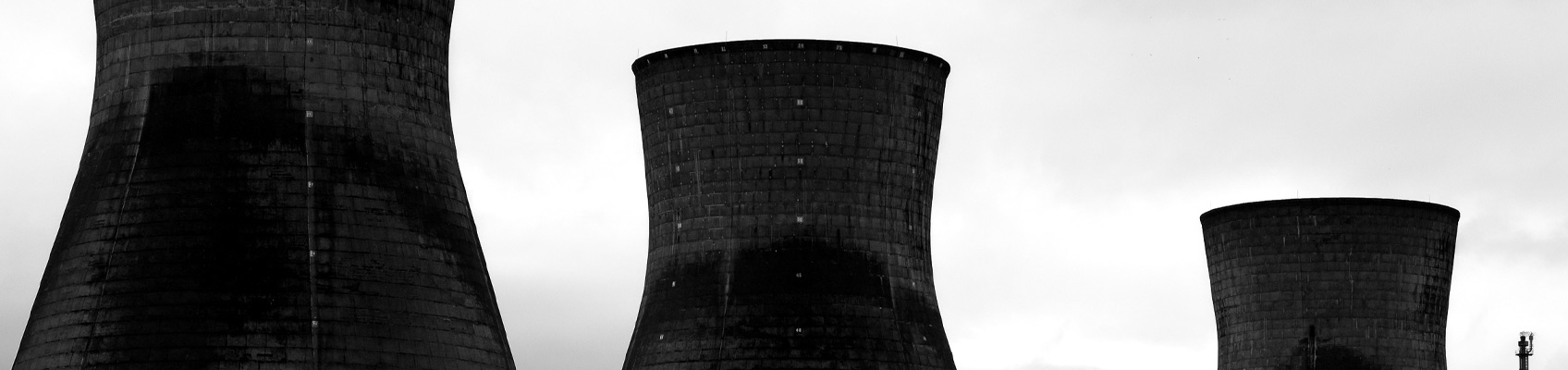
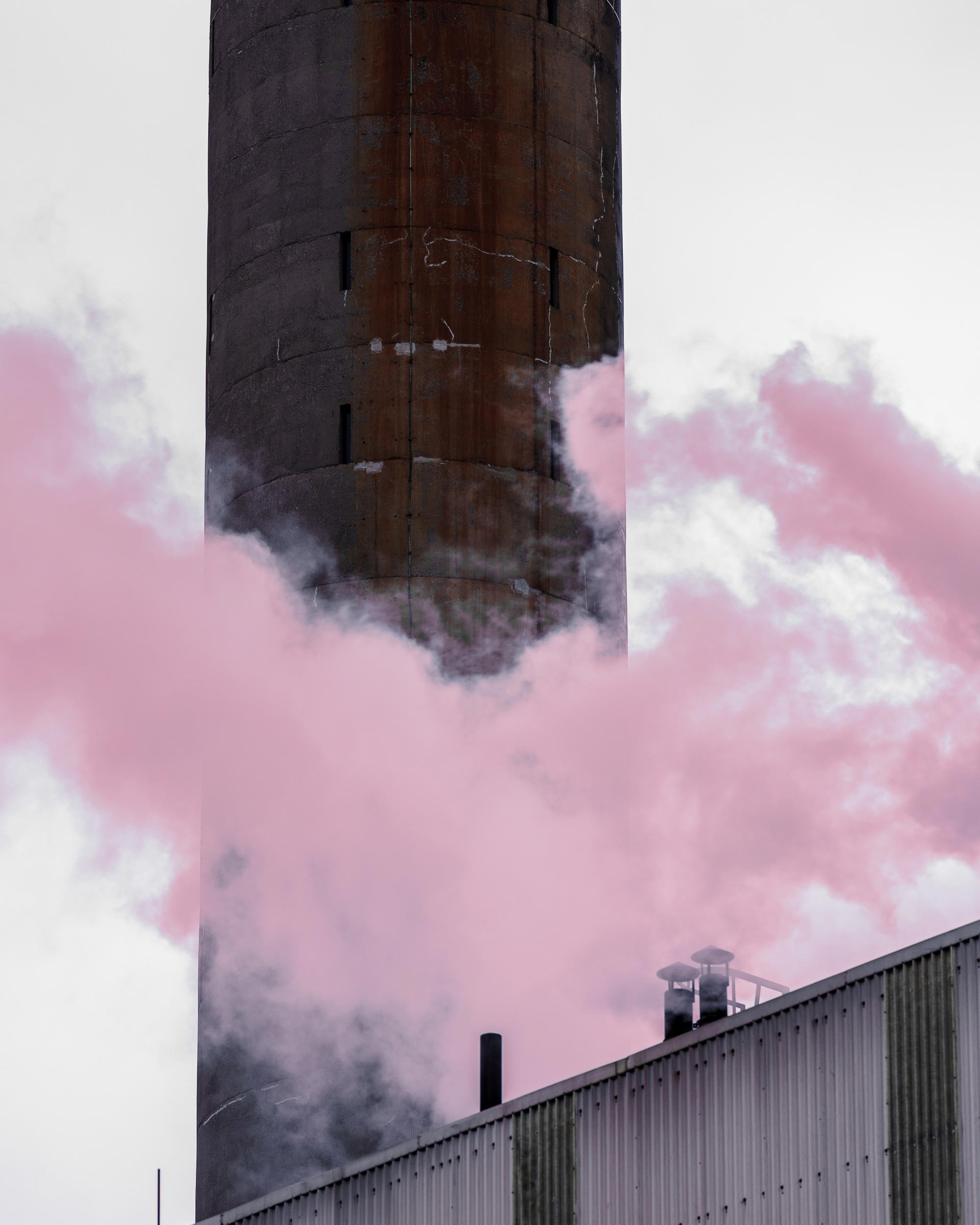
When people think about photography, they usually picture weddings, wildlife, or sports. The idea of an industrial photographer doesn’t often come up, yet this field is one of the most interesting and challenging areas I’ve worked in. It combines the technical demands of working on active sites with the creative side of finding beauty in unexpected places like machinery, vents, or even steam rising from pipework.
Finding my way into Industrial Photography
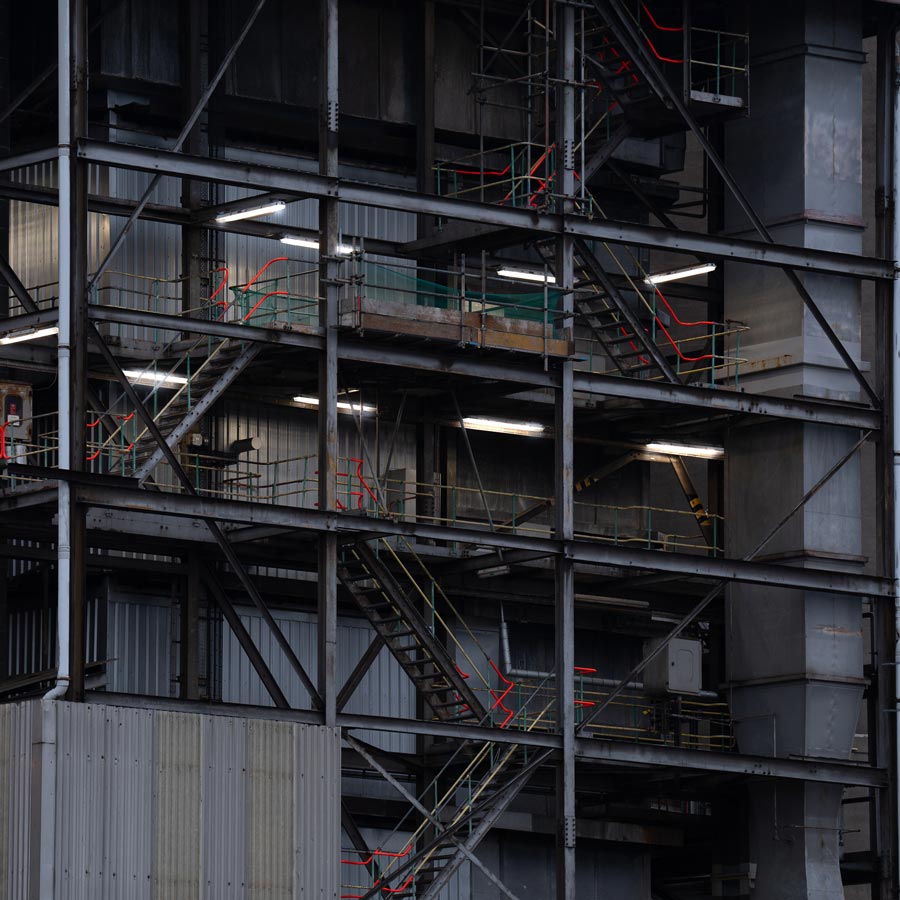
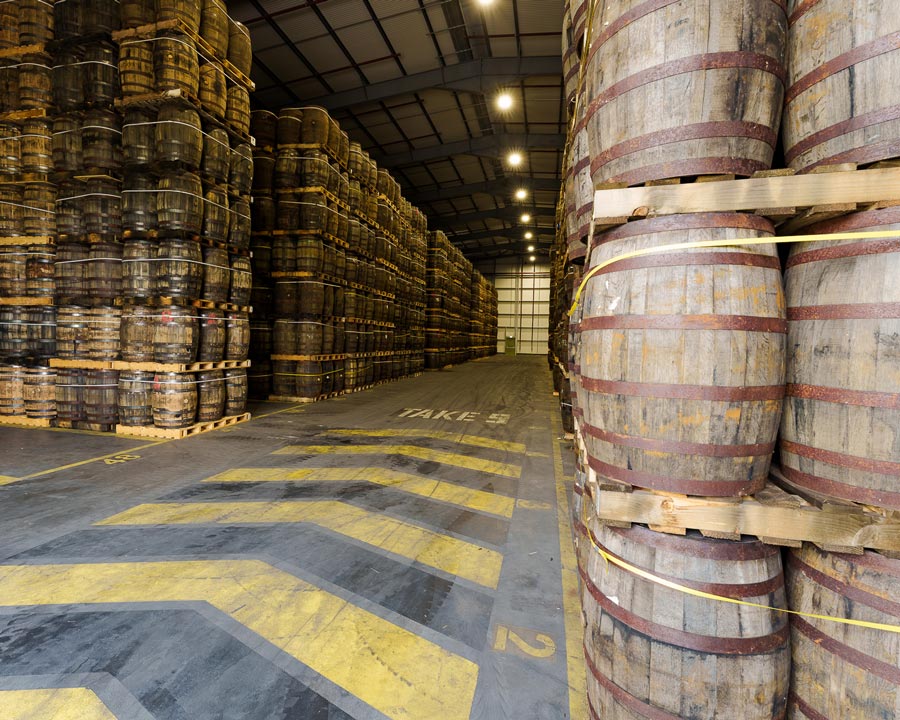
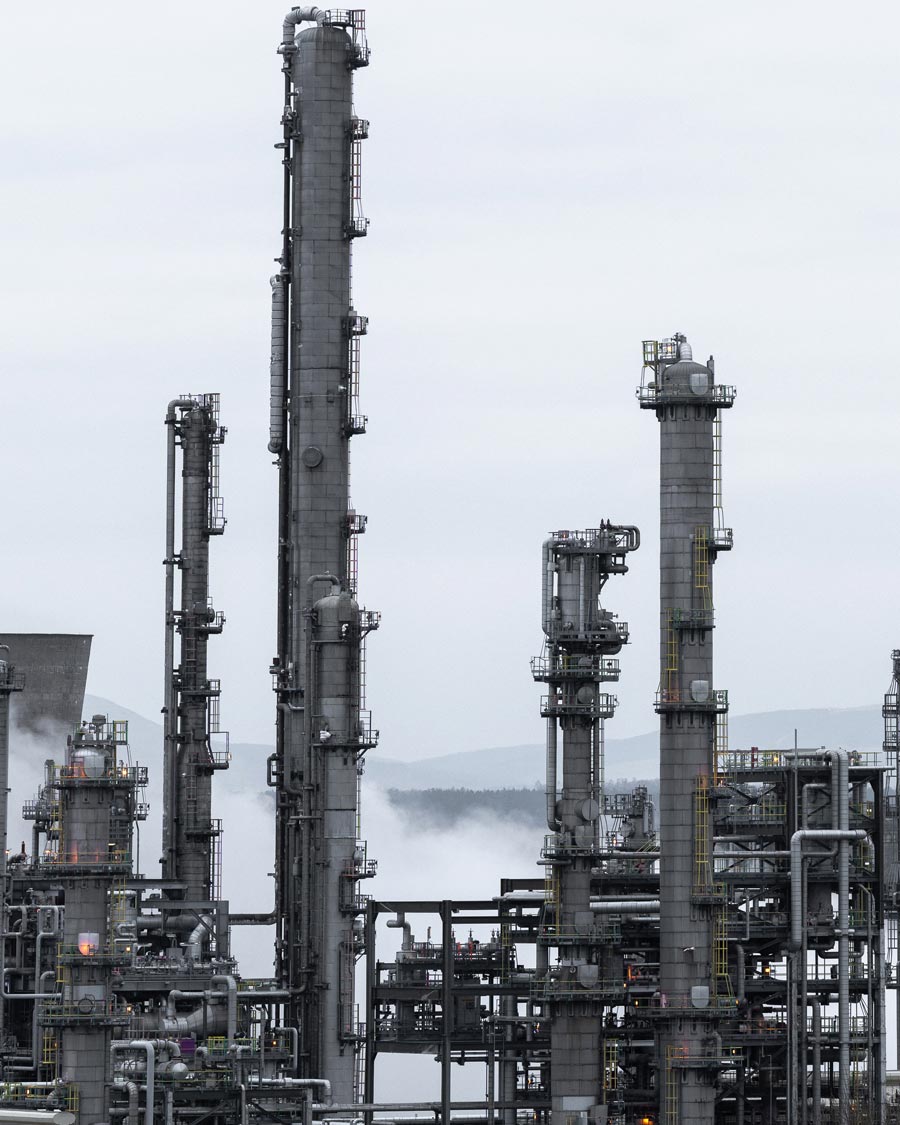
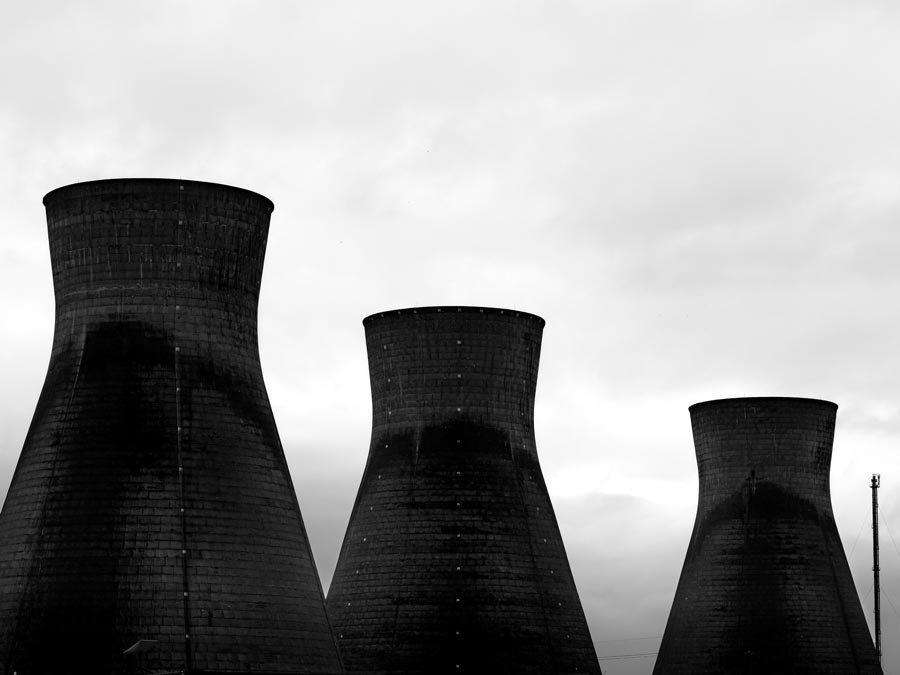
My name is Alexander Thomas, and I’ve been working in this niche for the last two years, but I didn’t start with paid jobs in industrial photography. At first, I was just photographing buildings I liked. That developed into an interest in industrial plants, such as Grangemouth, where I was drawn to the labyrinth of pipes and ducts.
Back then, I didn’t even know the name of the niche. I looked under architecture, construction and plant photography until I eventually came across the term industrial photography. At which point, I sent out what felt like a million cold emails to marketing departments across Glasgow and Edinburgh, targeting building companies, engineering firms, and anyone who might need visual documentation of their projects.
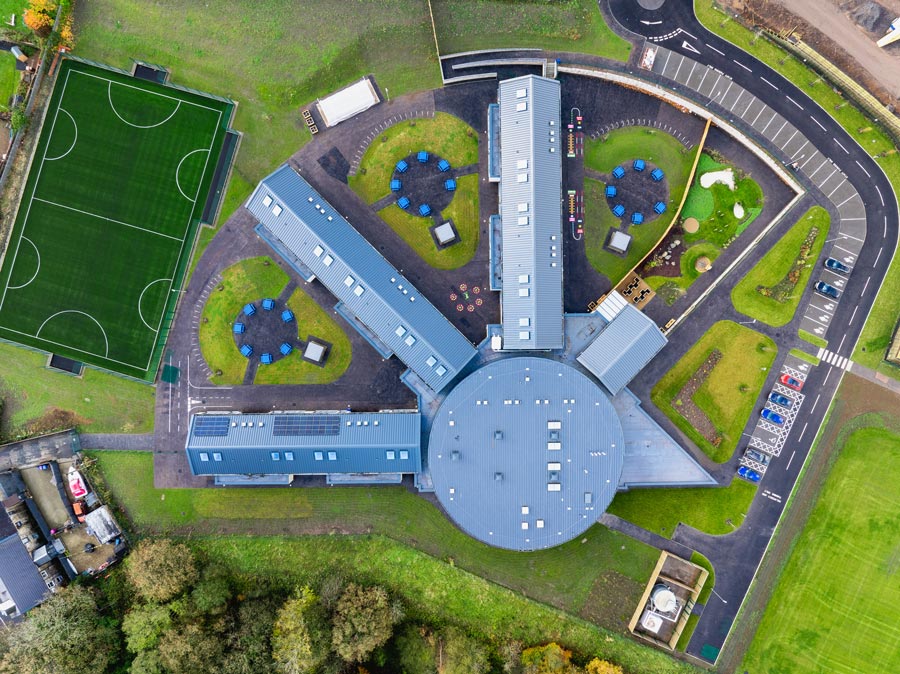
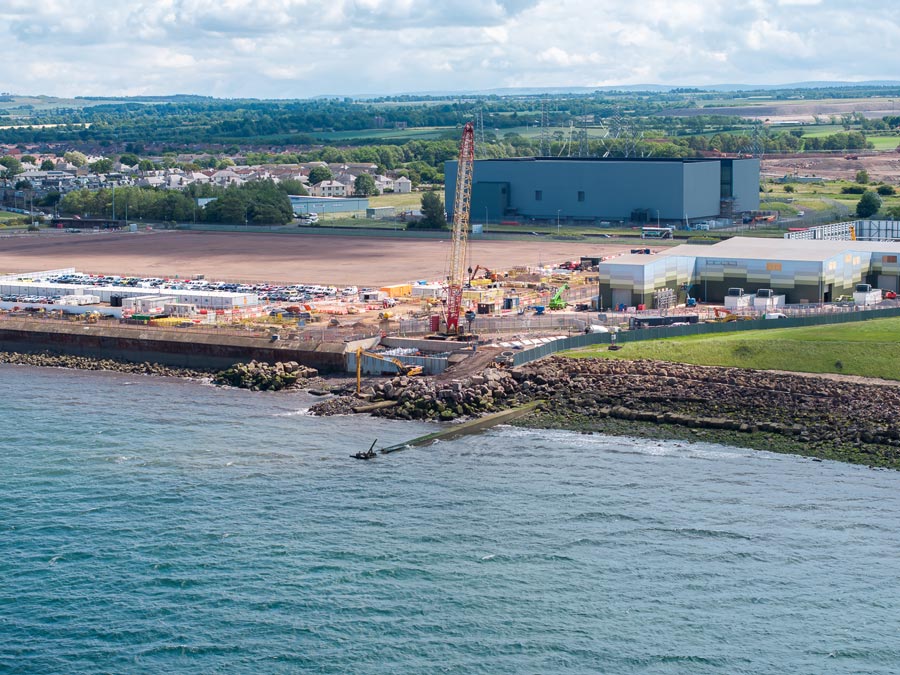
I also visited head offices, taking a chance by asking to speak to someone. That persistence eventually paid off. I landed my first job photographing completion photos for a large-scale development, and from there, things grew into groundbreaking ceremonies, industry events, and even explainer videos for systems within new builds.
The practical side of the job
Working as an industrial photographer isn’t just about turning up with a camera. And, if you’re going to pursue this type of photography, you’ll need to consider the following:
Insurance and safety requirements
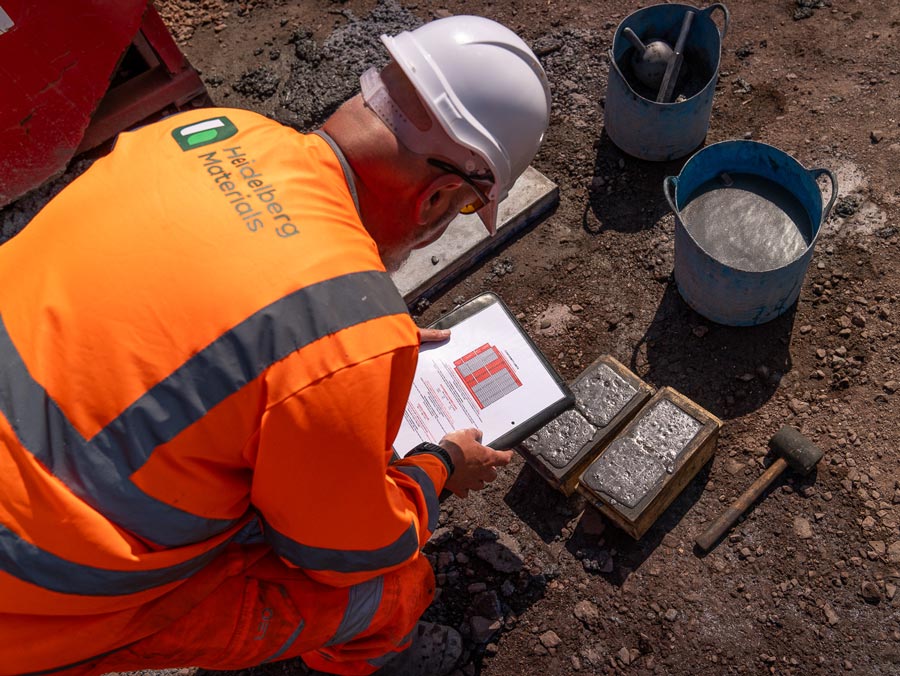
The first thing most clients ask for is insurance. I carry both professional indemnity and public and product liability cover, as they’re a requirement to step foot on site. Another non-negotiable is RAMS, the risk assessments that explain not just the hazards of the site but also those associated with equipment like drones or cameras.
Site preparation and scouting
I also build time into each job for scouting locations, usually arriving about an hour and a half before the project begins. This allows me to walk the site, identify safe and effective angles, and speak to the agents or managers who are my point of contact. In sensitive environments like power plants, you often can’t photograph everything, and sometimes waivers are required before even pressing the shutter.
Challenges of Industrial Photography
The hardest part of the job is dealing with conditions you can’t control. Light is rarely perfect, especially with construction photography projects where you move quickly between bright outdoor areas and dim interiors. Dust, weather, and even high winds can delay or impact a shoot. I rely on good dynamic range in my cameras, filters to protect lenses from debris, and the standard kit of hard hat, high-vis, boots, and occasionally safety glasses or rigging for scaffold access.
One top tip is: pack light. This is not a studio, and ten flights of stairs on open scaffolding with the wind blowing is quite the challenge without any gear.
Another challenge I’ve found is working with ‘normal people’. Unlike in fashion or portrait photography, many of the people on site don’t want to be photographed. You have to adapt your approach, keep things efficient, and explain the process in plain terms so they’re comfortable enough to cooperate.
Why clients value an industrial photographer
For clients, the primary benefit of hiring an industrial photographer is professionalism. Images are often used for updating company portfolios or tendering for major projects, where photographs will be reviewed by panels as part of competitive bids. In that situation, phone snaps simply don’t cut it.
Spending £700+ on photography may seem high at first glance, but when it helps secure a multi-million-pound contract, the value is obvious. My role often extends beyond documenting sites; I’m regularly asked to capture professional headshots of project managers or contract staff, particularly when a company realises their current images are low-quality or taken on phones.
Opportunities beyond the industrial setting
What started with photographing buildings has also opened unexpected opportunities. Industrial projects often lead to requests for other work, whether that’s promotional videos for websites, corporate events, or explainer videos for new technology. Sometimes it even extends to holiday parties or headshots for entire teams. I like this variety because it means I’m constantly learning and applying my skills in new ways, while still grounded in the industrial sector.
Why do I keep doing this work?
When it comes down to it, this job is about documenting spaces and structures that most people overlook, and showing them in their best light. For me, the challenge and satisfaction lie in capturing the scale, detail, and function of these sites while meeting all the practical demands that come with working in the industrial world. That’s what keeps me interested in this niche and why I want to continue developing as an industrial photographer.
About the author
Alex Thomas is a commercial, portrait, aerial, and event photographer based in Glasgow. With his extensive experience and a client-focused approach, he creates impactful visuals that tell stories, build trust, and elevate brands. Take a look at his website here.