Camera Drones
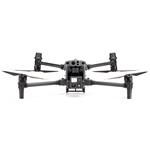
Drone photography and flying drones with cameras is a hugely exciting field. With different types of camera drones available, and with ever more sophisticated cameras, it’s a great time to be shooting from the skies. Whether your interests are in photography, video, or both, drone technology is advancing at an incredible pace to help you capture better imagery than ever before.
On this page, we’ll take you through the main things to look for when buying a drone, and point you towards the market leaders. DJI is obviously a standout in the field, but other manufacturers like Autel, PowerVision and Parrot are also producing tempting flying cameras at fantastic prices.
Drone Comparison
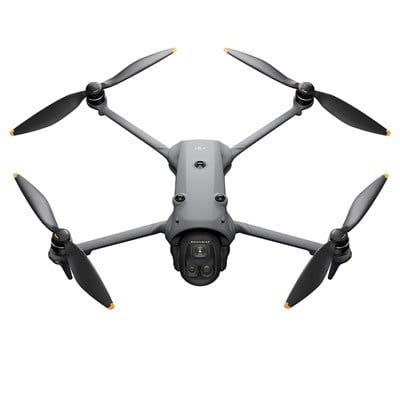
DJI Mavic 4 Pro
Tri-Camera Flagship Imaging,
DJI's Leading Consumer
Camera Drone
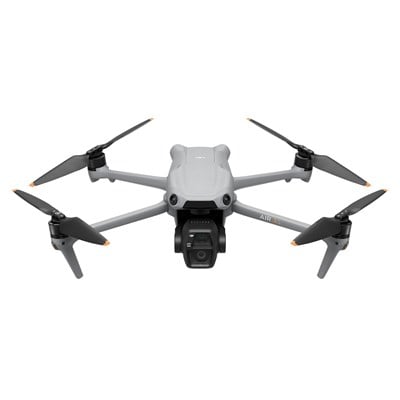
DJI Air 3S
Dual-camera travel
photography drone for stunning
landscapes and portraits
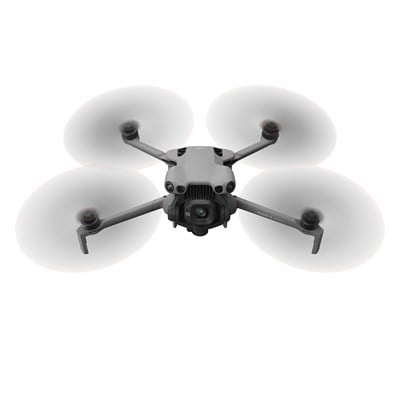
DJI Mini 5 Pro
All-In-One 1-Inch
Large CMOS
Mini Camera Drone
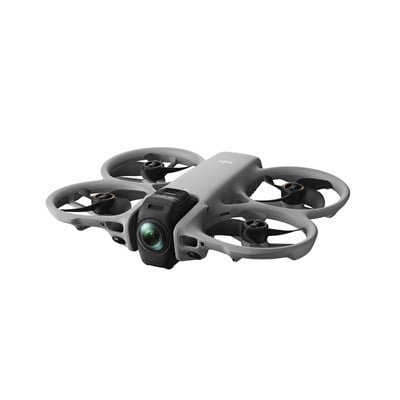
DJI Avata 360
8K Flagship 360° Drone
Quality
Next-Gen 4/3 CMOS, 100MP Effective Pixels,
Max Video Resolution of 6K/60fps HDR or 4K/120fps
Medium Tele Camera: 1/1.3″ CMOS,
48MP Effective Pixels,
Max Video Resolution of 4K/60fps HDR or 4K/120fps
Tele Camera: 1/1.5″ CMOS,
50MP Effective Pixels,
Max Video Resolution of 4K/60fps HDR or 4K/100fps
1″ CMOS,
50MP Effective Pixels,
Max Video Resolution of 4K/60fps HDR or 4K/120fps
Medium Tele Camera:
1/1.3″ CMOS,
48MP Effective Pixels,
Max Video Resolution of 4K/60fps HDR or 4K/120fps
50MP Effective Pixels,
Max Video Resolution of
4K/60fps HDR or
4K/120fps
64MP Effective Pixels per Sensor,
Max Video Resolution
of 8K/60fps HDR
Sensing
Up / Down / Left / Right / Forward / Backward
Equipped With Forward-Facing LiDAR
Up / Down / Left / Right / Forward / Backward
Equipped With Forward-Facing LiDAR
Up / Down / Left / Right / Forward / Backward
Equipped With Forward-Facing LiDAR
Up / Down / Left / Right / Forward / Backward
Equipped With Forward-Facing LiDAR
Features
Camera Movement
Portraits and Landscapes
225° Flexible Gimbal Rotation
Upgraded ActiveTrack 360°
Spotlight Free for Instant Shareable Footage
FPV Flight and Aerial Filming in One Drone
360° and Single Lens, Flexible Dual Modes
Altitude
6000 m
Resistance
(at sea level, no wind)
18 m/s (Normal Mode)
15 m/s (Normal Mode)
15 m/s (Normal Mode)
16 m/s (Normal Mode)
36 mins
Transmission Range
15 km (CE/SRRC/MIC)
10 km (CE/SRRC/MIC)
15 km (CE/SRRC/MIC)
10 km (CE/SRRC/MIC)
The data was collected in a controlled environment. Actual experience may vary. For details, refer to the corresponding product page on the official DJI website.
1. When capturing 360° content, each of Avata 360's two CMOS sensors features an imaging area equivalent to that of a 1-inch CMOS sensor with a 4:3 aspect ratio.
2. Omnidirectional Obstacle Sensing is only effective on surfaces with discernible textures and in lighting conditions of 1 lux or greater, and is available only in 360° mode.
3. ActiveTrack can work properly only when certain flight conditions are met.
4. Only available in 360° mode.
5. Product weight may vary due to differences in batch materials and other factors.
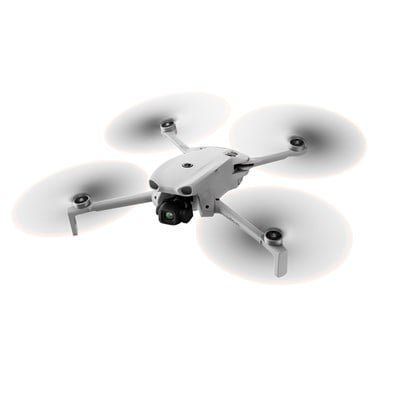
DJI Lito X1
Beginner-Friendly
Premium Camera Drone
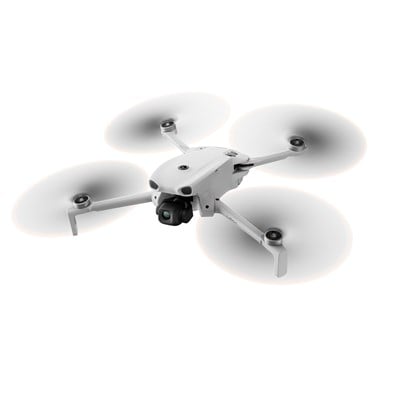
DJI Lito
Beginner-Friendly
Camera Drone
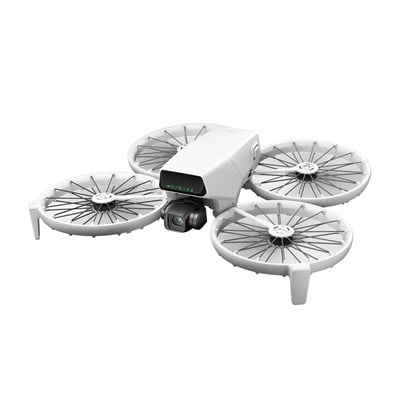
DJI Flip
Foldable All-In-One
Vlog Camera Drone
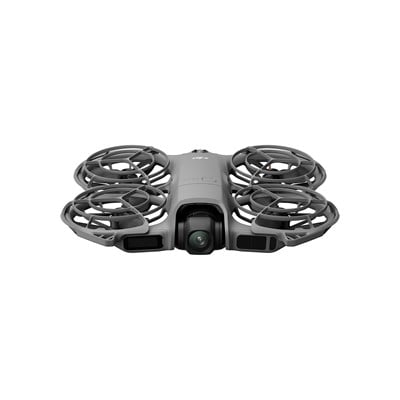
DJI Neo 2
Follow Me
Camera Drone
Quality
Sensing
Up / Down / Left / Right / Forward / Backward
Equipped With Forward 3D
Infrared Sensing System
Features
ActiveTrack, Easily Unlock Cinematic Shots, 4K Video, 8K Image
ActiveTrack, Easily Unlock Cinematic Shots, 4K Video, 8K Image
Altitude
With Intelligent Flight Battery Plus: 3500 m
Resistance
(at sea level, no wind)
12 m/s (Normal Mode)
12 m/s (Normal Mode)
8 m/s (Normal Mode)
12 m/s (Sport Mode)
12 m/s (Tracking Status)
With Intelligent Flight Battery Plus: 52 mins
36 mins
Transmission Range
8 km (CE/SRRC/MIC)
8 km (CE/SRRC/MIC)
8 km (CE/SRRC/MIC)
6 km (CE/SRRC/MIC)
* The data was collected in a controlled environment. Actual experience may vary. For details, refer to the corresponding product page on the official DJI website.
1. Standard video recording supports up to 4K/60fps HDR, and slow-motion recording supports up to 4K/100fps.
2. Standard video recording supports up to 4K/60fps, and slow-motion recording supports up to 4K/100fps.
3. This feature is only effective on surfaces with discernible textures and in lighting conditions exceeding 5 lux.
4. Forward obstacle sensing is supported only when flying in Normal mode and Cine mode and during return-to-home.
5. ActiveTrack can work properly only when certain flight conditions are met.
6. Follow the appropriate safety guidance when using palm takeoff and landing.
7. Gesture control is supported only in Spotlight or Follow mode.
8. Actual product weight may vary due to differences in batch materials and external factors.
9. The measured weight excludes the DJI Neo 2 Digital Transceiver.
Drones
What are the main things to consider when buying a drone? Here, we’ll run you through the key things to look out for so you can be sure you’re getting the right drone for you.
Drone Training
I‘ve purchased a drone… what next? To fly your drone legally and responsibly in the UK, the Civil Aviation Authority (CAA) require you to understand some rules and regulations about flying. Explore our handy drone training page to find out more.
Size Matters
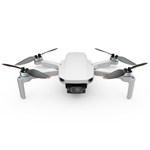
This is a pretty simple one, but it’s important to get right. How large a drone do you need? Smaller quadcopters like the DJI Mini 3 Pro and the DJI Mini SE are much easier to transport and tend to be more affordable than their larger counterparts. Larger drones, however, will be more stable flying in difficult weather conditions and have more space for more sophisticated features – both in terms of flight and camera tech. The DJI Phantom Pro 4 V2, for example, is about five times the weight of the Mini 2, but it’s also one of the most powerful pro drones around.
Camera Quality
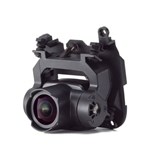
Different drones will have cameras of different quality, and it’s worth working out what kind of image and video resolutions you want to work in. Most consumer drones will shoot HD footage, but you may want to work up to Full HD or 4K. Sensor size is also a factor – the DJI Mavic 2 Pro has a 1-inch sensor, which is larger than the 1/2.3-inch sensor on many other drones, and will produce images and footage with greater dynamic range. Its Hasselblad camera can capture images and videos that are full of crisp, vivid detail.
Other drones also come with special photography features that may be useful depending on what you’re planning to capture. We love the DJI Mavic 2 Zoom, which is the firm’s first consumer drone with lossless Full HD zoom, opening up new creative possibilities. Many drones will also have 3-axis stabilising gimbals to make footage smoother – this helps the Parrot Anafi Drone make the most of its 4K HDR camera.
Flight modes and capabilities
It’s worth checking out the flight capabilities of the quadcopters you’re looking at, as this might affect which one you end up choosing. Different models have features like collision avoidance, to automatically steer clear of hazards and objects, and it’s also worth checking specs like flight time – the Autel EVO II can manage 40 minutes of continuous flight, while the DJI Mini 3 Pro has a maximum flight time of 34 minutes.
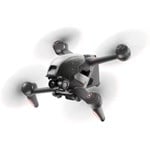
Once you get into the realm of pro-spec drones, things get really exciting. The DJI FPV can achieve top speeds of 140kph (87mph), with acceleration of 0-100kph in 2 seconds, and offers different flight modes with varying degrees of manual control, so it’s suitable for a broad range of users. It’s essentially like a model aircraft, but with great camera tech attached!
How to Shoot Cinematic Drone Footage | 7 Top Tips
Aerial photography accessories
The best way to augment your drone photography is with the incredible range of aerial photography accessories available. A dedicated remote control, a drone bag, a set of spare batteries, a protective case – all these things can make a real difference to your aerial photography. Some DJI drones can use ND filters that allow you to control for strong lighting situations.
Drone brands
There are a few key drone brands it’s worth being aware of. As we’ve discussed, DJI is the market leader. Its class-leading Mavic series comprises some of the most sophisticated drones available right now, both in terms of flight capabilities and camera tech.
However, it’s also worth considering other brands as they offer a compelling alternative. The Autel EVO II Pro Drone has shaken up the market with its stunning 6K video footage, 360° omni-directional obstacle avoidance system, and 7100mAh battery capacity that allows for continuous flight times of up to 40 minutes.
There’s also the PowerVision PowerEgg X Explorer, which uses deep-learning AI technology to improve its facial recognition functionality over time. The Parrot Anafi Drone has the capability to achieve a cinematic lossless Dolly Zoom effect (2.8x in FHD and 1.4x in 4K), and a 180° tilting gimbal.

Frequently asked questions
- Does every drone have a camera?
-
While not every drone on the market has a camera, every quadcopter we sell at Wex includes a camera.
- What is the best drone with an HD camera?
-
Drone camera technology has come a long way in recent years, and Full HD or 4K video are a standard feature on consumer camera drones. The absolute best, money-no-object drone you can buy right now is the DJI Inspire 2 X7, which records cinema-quality DCI 4K and has sophisticated automatic flight capabilities. The best choice for most users is probably the highly affordable DJI Mini 2, which can shoot 4K footage.
- What is a drone’s range?
-
The range at which a drone can be controlled depends on the individual model – some professional drones can be flown at distances of 2km, while about 500m is more common for cheaper models. As a rule, you should always keep your drone in visual contact when flying it.
- What are the legal issues with using a drone?
-
In the UK, there are a few legal obligations to consider when owning and operating a drone. The Civil Aviation Authority has a breakdown of the main rules you need to be aware of. The main points are that you have to keep the drone within 120m of the closest point of the ground, and you have to keep it at least 50m away from other people. Different rules apply depending on the size and weight of your quadcopter, so check this before heading out.