
It’s all too simple to be seduced by premium lenses. And in fairness, the promises of incredible image quality, sharpness and overall performance are generally true - they do what they say, which explains their cost.
I think people also find it easy to assume that a more affordable, alternative lens indicates poor quality. But is that always true? While premium options often come with those clear advantages, I don’t think the more budget-friendly options should be written off. I’d argue that in some cases, the quality of a lens depends just as much on the photographer’s intent and technique as it does on the price tag.
What makes a lens expensive?
Unlike some hobbies or interests where a brand name can hike up the price, expensive lenses generally do offer more premium elements and construction that justify the cost.
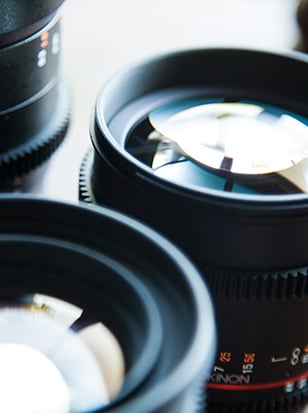
The optical make-up of the lens is where a huge cost can be incurred. Premium glass elements arranged in specific lens groups, all with specialised coatings that increase clarity while reducing optical aberrations, not only require costly materials but meticulous handling.
Additionally, faster, quieter, and more reliable autofocus systems, along with wide constant apertures, also contribute to cost. And then there’s the build quality of a lens, including all-metal barrels, weather sealing, and beautifully textured rubber focusing rings. But not every shoot or every photographer needs all of that, all the time.
Where to compromise?
Any manufacturer designing a budget-friendly lens will generally compromise on one or more of the features mentioned above. An easy place to reduce costs is in construction, e.g. opting for plastic housing or no weather-sealing. They can have little or no stabilisation, slower autofocus performance, and narrower maximum apertures. They can reduce lens elements, the groups they sit in, the quality of the glass, and any coatings. And by doing this, image quality, performance or handling can be negatively affected.
While budget lenses may not be flawless, they’re rarely unusable. Some have quirks that add character, like a pleasant edge softness or slight vignetting. Or, if aberrations or flare appear in images, we can now fairly easily correct them in post.
The trade-offs aren’t always obvious, and it’s also not consistent across brands or lenses. A lens might be plastic to reduce weight, but still be impressively sharp for its cost. Overall, I’d say that in many cases, it comes down to what you need for your shoot, your style of shooting, and what sacrifices you are willing to make.
A real-world scenario
I recently went on a backpacking trip to Italy, starting off in Venice and making my way to Rome with stop-offs in Pisa and Florence. It was a fantastic trip and, as you might imagine, a trove of photographic opportunities lay before me.
You might have seen from when I bought a £17 lens to see whether it was a waste of money or not, I own a Fujifilm X-T3. It’s seen better days, but it still works (aside from regularly resetting itself - it’s something to do with the internal battery).
I wanted one, small lens no bigger than a pancake lens. Ideally, I’d own a GR III or another compact, but alas, I was in the market for a budget lens instead. I happened upon the TTArtisan AF 27mm f2.8 Lens for Fujifilm X. Having spoken to a colleague and reading surprisingly good reviews, I decided to give it a go. Here are a few results to give you an idea:
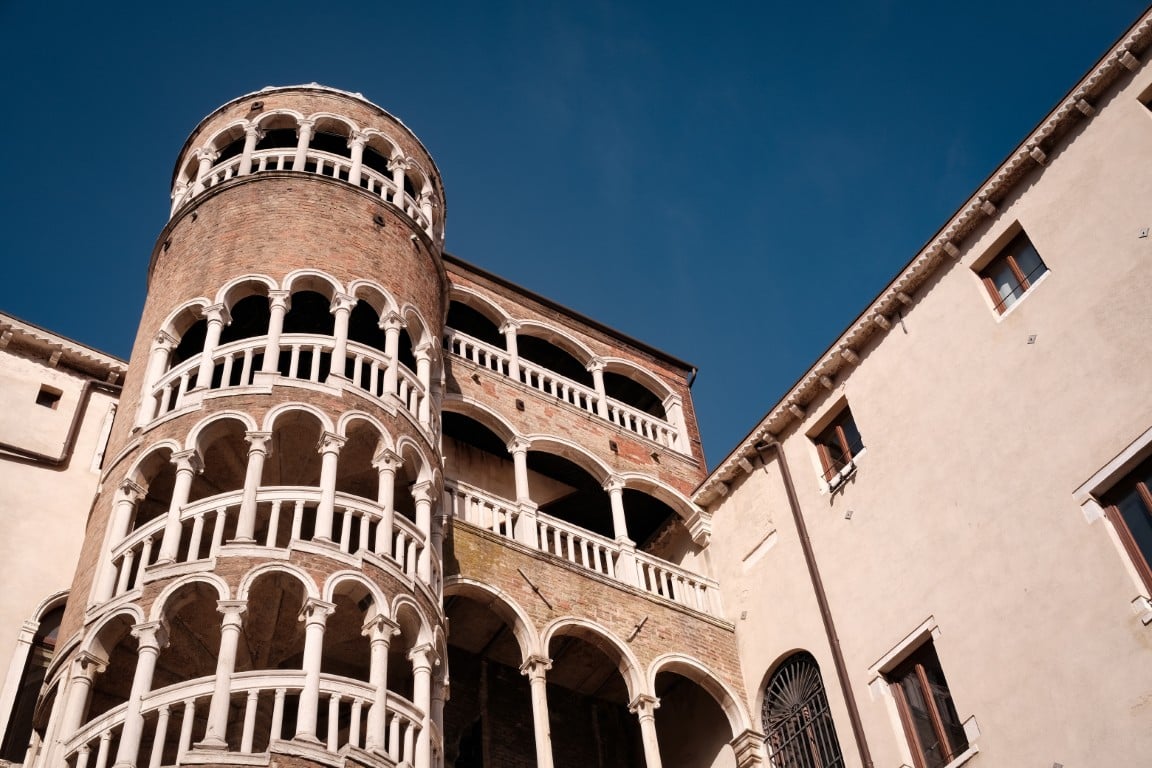
Photo Credit: Leo White
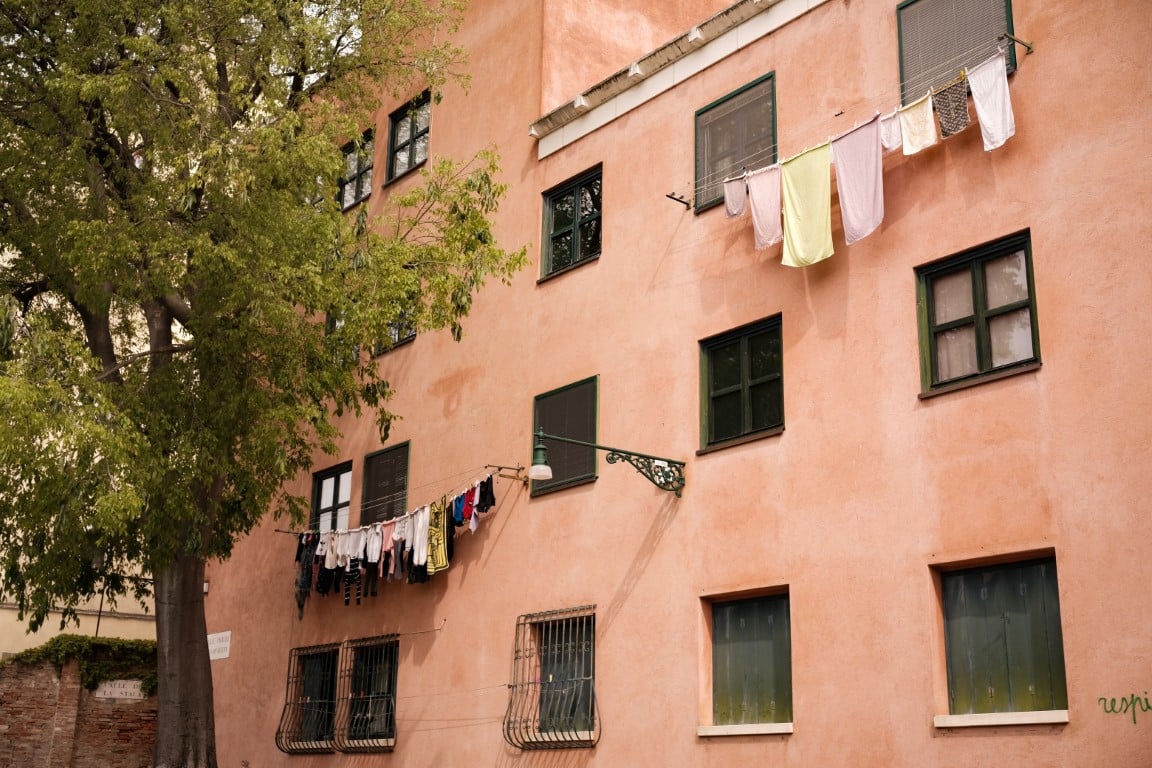
Photo Credit: Leo White
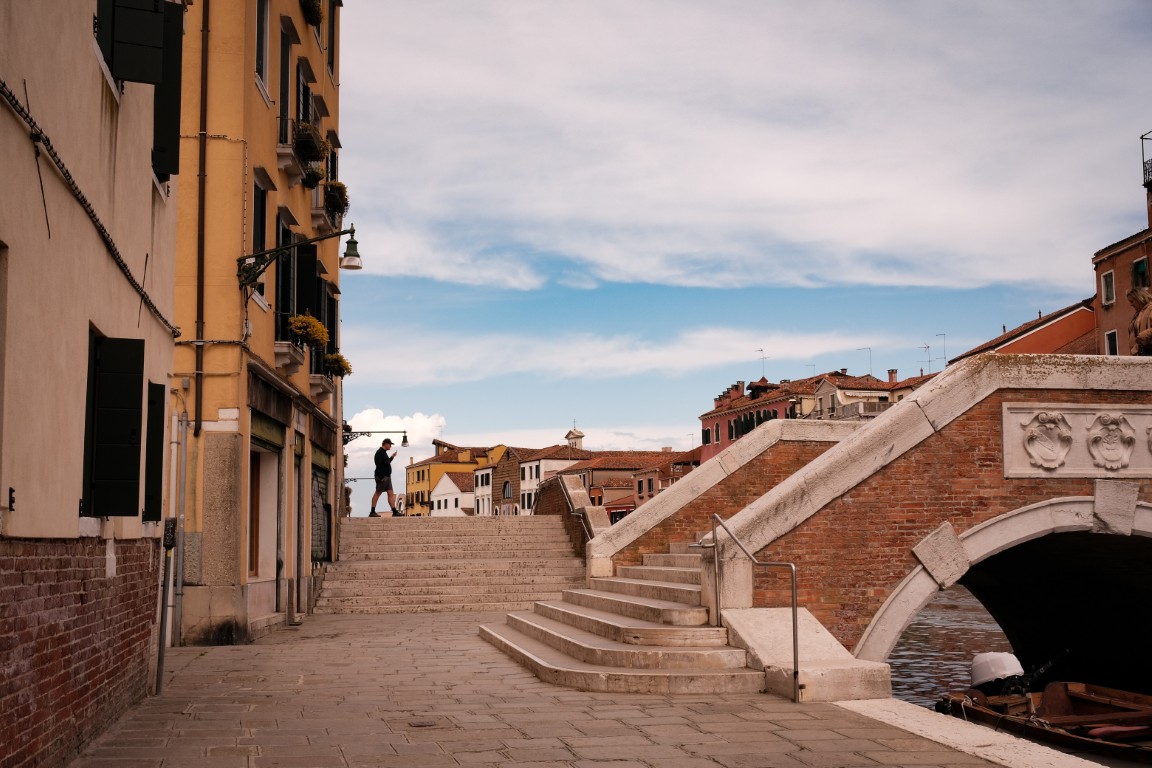
Photo Credit: Leo White
I can confidently say, using this lens was a treat. It's small, super lightweight (88g), and unobtrusive. And in fact, I’d set myself a street photography challenge that trip and the overall size of the X-T3 and this lens really encouraged casual, spontaneous shooting.
It had decent central sharpness while wide open, and was even sharper the further you stop down - though I actually liked the bit of edge softness I was getting in some shots. There was slight vignetting throughout, most noticeable at f2.8, and the autofocus is a little slower than some lenses, especially in low light, but it was still quick enough for what I needed. It had a lovely natural colour reproduction and contrast, which works really well with Fujifilm film simulations. It had pretty strong flare when shooting backlit at most apertures, but I made it work, and again, I liked the look.
Surprisingly, it has a full-metal build, which you wouldn’t expect from this price point, and while there’s no weather-sealing, that wasn’t a problem during this specific trip. If anything, the main thing that irked me was the tiny 39mm lens cap, which seemed determined to fall off at every opportunity.
My takeaway was that this budget lens was a lot of fun to use, but it has some imperfections. I worked with those issues, and they added interesting characteristics to the Italian streets. But in other scenarios, they’d be more prominent and a clear sign of missing lens coatings or other premium elements. But for less than £200, it’s a great choice.
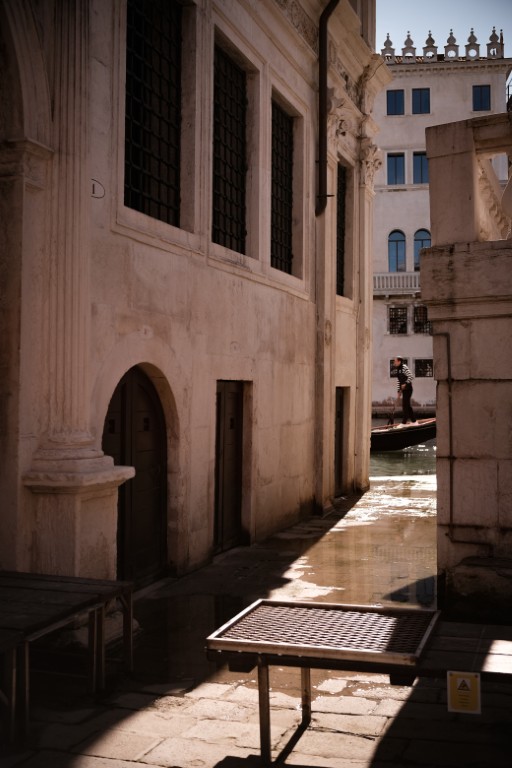
Photo Credit: Leo White
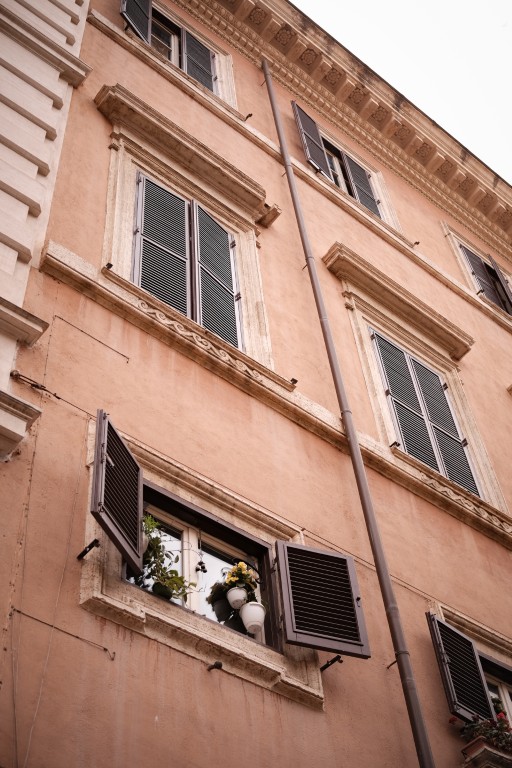
Photo Credit: Leo White
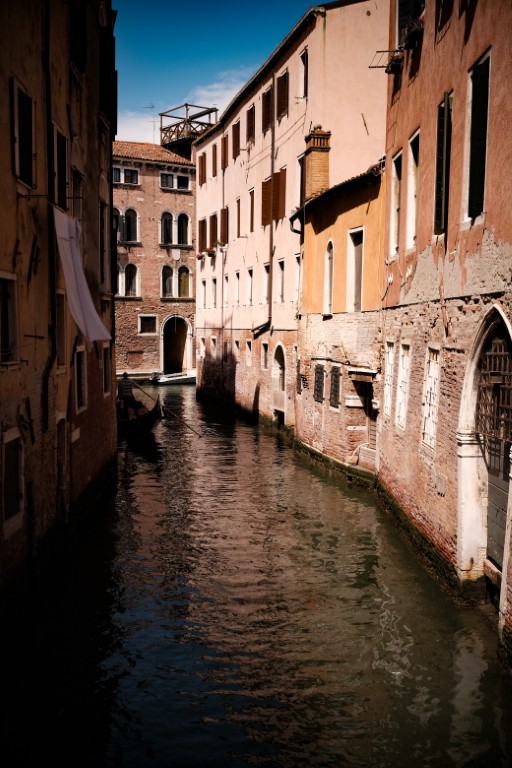
Photo Credit: Leo White
So, does budget equal poor quality?
I think it’s fair to say that expensive lenses will generally outperform cheaper ones, particularly in extreme lighting scenarios or professional settings. In fact, in the latter case, a cheaper lens will potentially undermine the quality of flagship cameras, rendering their premium sensor somewhat redundant.
I also think that there will be some lenses that sacrifice too much to be more affordable, but I do believe it comes down to what you need from a lens. It should be about context, intent, and maybe your skill as a photographer. A budget lens with a specific quirk can be a healthy challenge for the joy of photography and the creativity it could spur.
For many photographers, a more budget-friendly lens is the only option, and I can confidently say that there are some absolutely fantastic, affordable lenses out there that will cater to almost any type of photographer. So no, I do not believe that budget equals poor quality.
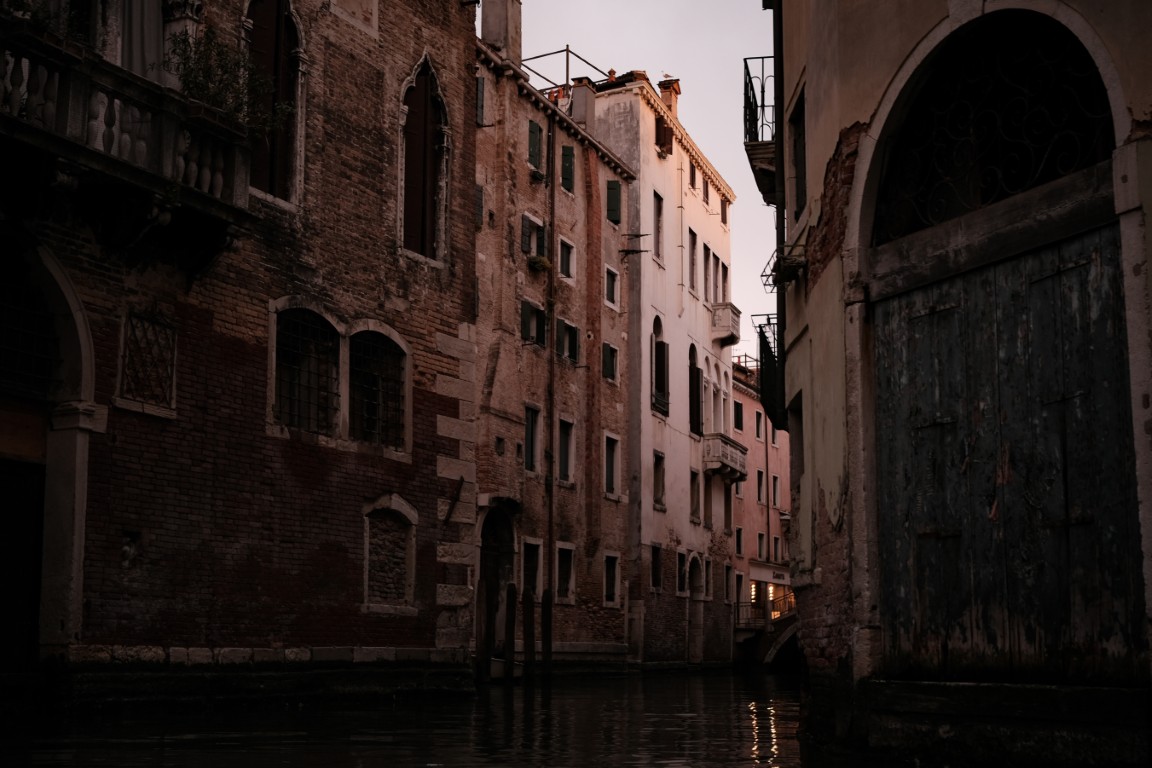
Photo Credit: Leo White
About the Author
Leo White has been part of the Wex Photo Video team since 2018, taking on roles from the contact centre to the product setup team. Holding both a BA and an MA in photography, Leo brings a wealth of expertise he’s always ready to share.

The Wex Blog

Sign up for our newsletter today!
- Subscribe for exclusive discounts and special offers
- Receive our monthly content roundups
- Get the latest news and know-how from our experts