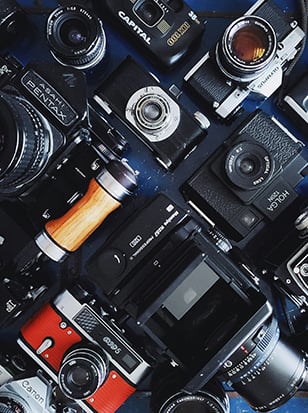

In my guide to summer travel photography essentials, I’m going to try to help you do two things — take everything you need with you for an enjoyable holiday of photography, and annoy your family as little as possible. Your family may have come to terms with your Gear Acquisition Syndrome, but they likely will not tolerate having their toiletries removed from a suitcase so that you can fit in a spare tripod..
This is a guide to packing smartly and sensibly for travel photography. I’ve culled this list to just the kit and accessories I think are genuinely essential — small items that won’t take up too much space, but will make a genuine difference to your travel photography experience, help you keep shooting for longer, and ultimately result in better images. So, let’s open the suitcase, take a deep breath, and figure out what are our essential photographic accessories for travel.
-
Travel camera, and lens if needed
We already have a dedicated guide to the best cameras for travel photography, so I won’t go into great detail here. In short, I think a good travel camera should be portable and versatile, while still offering a genuine photographic quality improvement over a smartphone. All the cameras in the guide offer just that.
If you go for an interchangeable-lens system camera then you may want to take some extra lenses too — though personally I’m more in the camp of taking one lens and working with it, as I think it makes things more photographically interesting. I think forcing yourself to be more creative by restricting yourself to a limited focal length will almost certainly result in better images than repeatedly diving in your bag to swap from one lens to another.
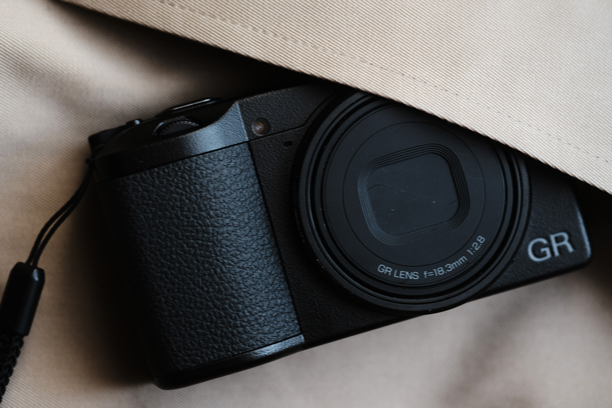
Ricoh GR HDF Credit: Ricoh Imaging
-
Solid, reliable camera strap
There are plenty of different types of camera strap available — shoulder straps, neck straps, wrist tethers, etc — and all preferences are valid in this parish. But whichever kind of camera strap you prefer: get one. Get one before you go. Make sure your camera is secure, and that if you were to drop it, the worst that would happen would be a painful tug on your neck. Get a good-quality strap, make sure it is attached securely to your camera, and then go and shoot with confidence. The alternative doesn’t bear thinking about.
-
Portable charger and spare batteries
Many modern cameras can be charged up via USB-C. If yours is such a camera, then a portable power bank with plenty of charge is a great way to ensure that you don’t end up running out of power and having to pack away your camera before that golden sunset. Even if you don’t have a USB-C enabled camera, bringing along spare batteries is always a good idea — they’re light and inexpensive, and it’s always better to have them than not need them, rather than the alternative.
Here's some handy links to our power banks and batteries
-
Camera holster bag
A tricky thing about travel is that you need a bag for your camera, but also all your other stuff too — your extra layers, water bottle, suncream, untouched novel, whatever else. As such, a big dedicated camera backpack may not be the best choice — instead, I’d say consider a small camera holster.
This type of bag will comfortably fit inside a larger suitcase or backpack, and allows you to carry your camera separately on its own, usually with space for extra accessories like cards or filters.
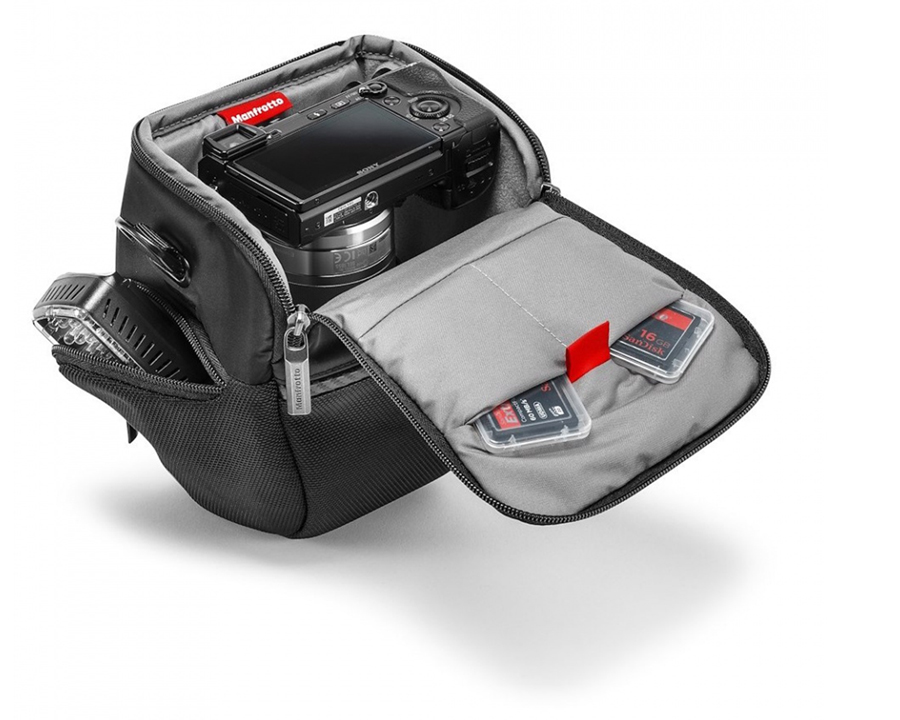
Manfrotto Advacned Holster Small Credit: Manfrotto
-
Spare memory cards
Obvious. No-brainer. Whatever memory card you have, get at least one more, and keep them about your person. Weighing a scant handful of grams each, they’ll add no bulk to your bag and will make sure you never find yourself in the position of having to delete images to make space for new ones.
And even if you think you have a card large enough for this not to be a problem, spare cards will ensure you’re covered in the unlikely but possible event of card corruption or failure. If your camera has multiple slots, you could also consider shooting to two cards simultaneously, thereby giving yourself constant, on-the-go backups.
-
Polariser
I’m not a big advocate of taking lots of filters on your travels. Adding a load of fragile glass to your bag isn’t a good idea at the best of times, and many photographic filters tend to be rather situational in terms of their use cases. One exception, however, is the humble polariser — especially if you’re going somewhere sunny. Buy one that fits your favourite lens, stick it on the front, and leave it there while the sun’s out.
Polarisers will suppress glare and reflections from bright sunlight. If you’re going to be taking images of the beautiful Pacific Ocean, or the Danube River curling luxuriously through Vienna on a summer’s day, or the glass skyscrapers of New York, a polariser will make a marked difference to your resulting images, cutting through the glare and bringing out vivid colours in a way that’s hard to replicate in post-processing.
-
Optional: Travel tripod or monopod
Everything we’ve seen so far on this list, I would call essential. I’m going to risk some controversy now and say that I think a travel tripod or monopod can be useful, but is not definitively necessary for holiday photography. Its utility is going to depend on the kind of travel you plan to do. The tripod is, of course, one of the most beloved photographic accessories, and for good reason — there are many types of shots, such as long exposures, that simply aren’t possible to get without one.
However, it’ll add bulk to your bag, it takes time to set up, and for many holidaymakers, it simply won’t be necessary. If you’re on a city break especially, there’s probably little need for a tripod, as you’ll likely be visiting the kinds of popular tourist attractions where you wouldn’t be allowed to put one up anyway. A monopod lacks the bulk and heft of a tripod, so could be a better option, but it still may not be necessary if you’re mostly taking snapshots.
I think you can boil it down to this — if you’re going on a dedicated photographic holiday, where photography is the primary purpose, then yes you should bring a tripod (and our guide to the best travel tripods will be of interest). If, however, you’re on holiday with your nearest and dearest, who may not have all that much patience with watching you attempt to deploy a set of legs outside the entrance to Notre Dame, then you can probably afford to leave the tripod at home.
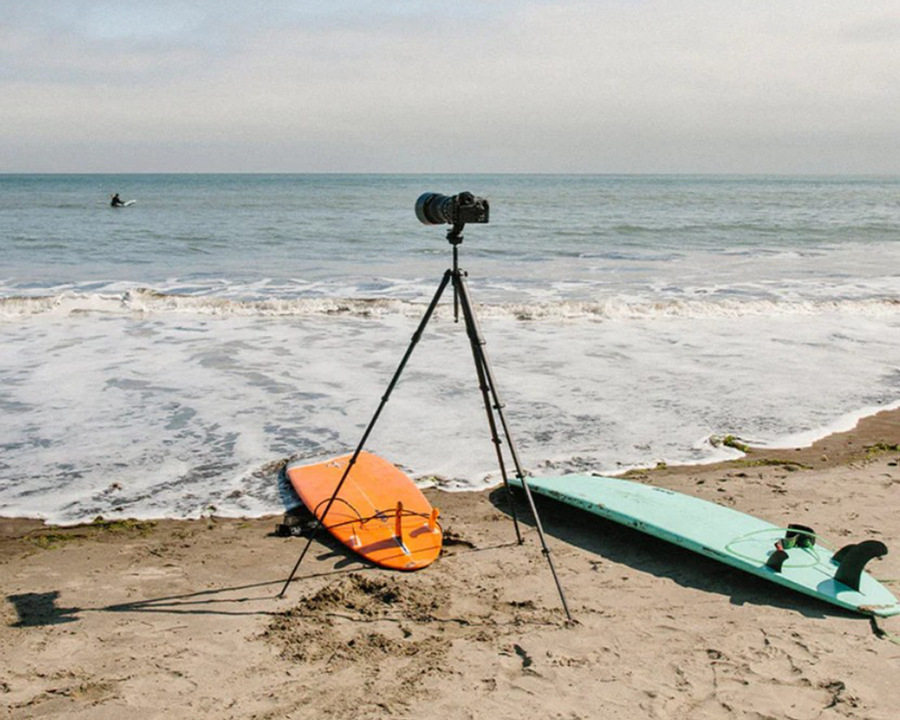
Peak Design Tripod Aluminium Credit: Peak Design
About the Author
Jon Stapley is a London-based freelance writer and journalist who covers photography, art and technology. When not writing about cameras, Jon is a keen photographer who captures the world using his Olympus XA2. His creativity extends to works of fiction and other creative writing, all of which can be found on his website www.jonstapley.com
Explore our range of photo and video equipment


The Wex Blog

Sign up for our newsletter today!
- Subscribe for exclusive discounts and special offers
- Receive our monthly content roundups
- Get the latest news and know-how from our experts