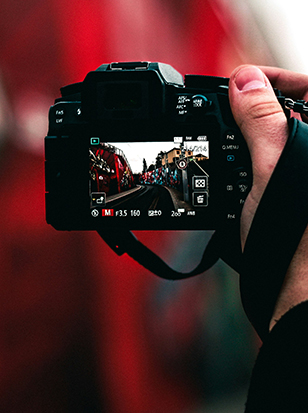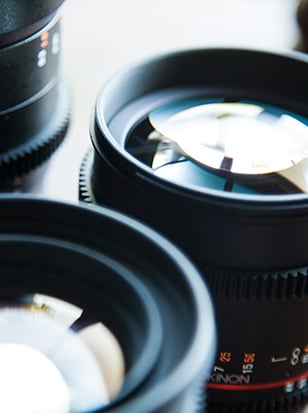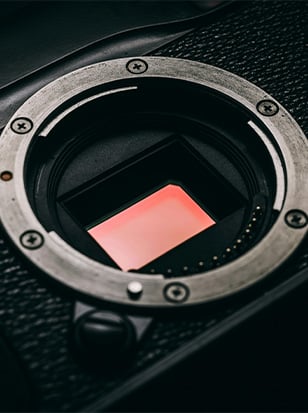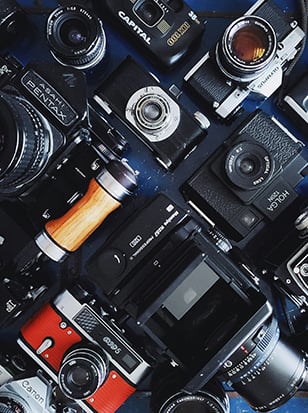

The best mirrorless cameras are the finest cameras on the market. Don't just take our word for it; this is where pretty much all of the major manufacturers are putting the majority of their resources. These days, if a new flagship camera comes out, it's almost certainly a mirrorless model, and whether you're a beginner, an enthusiast or a professional, there are plenty of mirrorless cameras around to tempt you
As such, it's a crowded field, and the cameras on this list really are the best of the best. These mirrorless models have truly impressed our technical team, whether that's through their image quality, innovative ergonomics or value for money. We always make sure that our buying guides cater for those on a tight budget, and if you're looking for an affordable mirrorless camera, we have options here to consider.
Scroll to the bottom of this page if you need some explanation of what a mirrorless camera is, and how it differs from other types of camera — and see our more general guide to the best digital cameras if you also want to consider DSLR and compact options.
Best all-rounder mirrorless camera

|
Pros:
Cons:
|
Sensor: 24.5MP full-frame CMOS Processor: EXPEED 7 Autofocus: 299-point auto-area AF with Subject Detection Video: 4K 60p (cropped); 4K 30p (uncropped) Continuous shooting: 30fps |
The Nikon Z5 II is the perfect way to jump into full-frame, and makes for a brilliant and fully featured mirrorless camera for a huge range of different users. Its 24.5MP sensor delivers amazing light sensitivity, ensuring it can still deliver the goods even when light levels get low, and it also boasts the latest autofocus technology. A comprehensive 299-point auto-area AF system meets the latest advancements in subject recognition, allowing the Z5 II to intelligently lock onto distinct subject types, such as humans, animals and vehicles. Plus, that fast full-res burst rate of 30fps ensures you’ll never miss the moment.
While it inherits many features from Nikon’s pro lineup, the Z5 II weighs a fairly slender 570g, meaning it makes for a winning travel camera. The Z-mount lens range includes a huge number of fantastic optics, including several affordable options, so you should have no problems kitting it out.
If video is also in your repertoire, the Z5 II is similarly well-specced, with top-line resolution of 4K 60p, as well as internal N-RAW and N-Log recording, a High-Res Zoom and Product Review mode.
Best mirrorless camera for photography

|
Pros:
Cons:
|
|
Canon’s EOS R6 Mark II camera was already near the top of the pile in terms of fully featured full-frame mirrorless cameras for enthusiasts. Nevertheless, the EOS R6 Mark III has arrived to improve upon it, and make a very good case for itself as one of the best cameras that serious photographers can buy.
Pairing a high-quality 32.5MP sensor with the powerful DIGIC X processor, the Canon EOS R6 Mark II delivers a scintillating combination of quality and speed. Need 40fps continuous shooting? You got it. Need a powerful, tried-and-tested autofocus system that can keep up with fast action? No worries. And while this camera is predominantly aimed at stills shooters, Canon has made sure to kit it out with open-gate 7K video, so you’re covered in that department too should the need arise.
The only real negative we can say about the EOS R6 Mark III is that it may be a little more camera than your practice really needs. If that’s the case, don’t worry — Canon is also keeping the more affordable EOS R6 Mark II in production.
Best mirrorless cameras for beginners

|
Pros:
Cons:
|
|
We’ve long held that Fujifilm’s smaller X-T cameras, a range that began with the X-T10, are some of the best and most enjoyable mirrorless cameras for beginners. The X-T30 III is a recent update and the finest model yet, delivering one of the most tactile and fun photographic experiences around thanks to its dial-based controls and Film Simulation modes.
Capable of producing images of sublime quality straight out of camera, the X-T30 III is a great choice for photographers who enjoy shooting a lot more than they enjoy editing images. The range of Fujifilm X-mount lenses offers immense quality, and the XC 13-33mm f3.5-6.3 OIS bundled in with the camera is a fun, versatile optic that’s an excellent starter option.
Small and travel-friendly, the Fujifilm X-T30 III is a likeable camera for beginners — and if you decide you want to upgrade, the Fujifilm X range offers plenty of more advanced models to trade up to.
Best mirrorless camera for video

|
Pros:
Con:
|
|
The Panasonic Lumix GH7 comes with the latest suite of video options, with the ability to shoot in ProRes joining the huge range of codecs and formats available. However, it’s also no slouch for stills, producing brilliant, punchy images from its Four Thirds sensor, and offering the capability to burst-shoot at up to 75fps with fixed focus.
The big upgrade on this camera from the previous GH6 is something that a lot of Panasonic releases have been gaining over the past few years — phase-detection autofocus. As Panasonic waves an arguably overdue goodbye to its contrast-based “Depth from Defocus” system, the result has been cameras that can acquire and track focus much more effectively. This has also coupled well with a must-have feature from the past few years of camera development — intelligent, AI-powered subject-recognition autofocus. With tons of lenses available for its Micro Four Thirds lens mount, the Lumix GH7 is a compelling proposition for video shooters.
Best professional hybrid mirrorless camera

|
Pros:
Cons:
|
|
Now, Canon EOS R5 was and will continue to be the blueprint for the kinds of cameras we’ll be seeing over the next decade. And that's something to remember when you see the R5 II.
This full-frame Canon mirrorless camera elevates what the R5 was, by several levels. This camera features “accelerated capture” with a dual processor setup of DIGIC Accelerator and DIGIC X processors, combined with deep-learning AI algorithms. This allows the camera to upscale its 45MP resolution to 180MP, enabling detailed cropping with minimal quality loss. Additional improvements include a stacked, back-illuminated sensor, enhanced IBIS up to 8.5 stops, and a high-resolution viewfinder. The camera achieves a maximum shutter speed of 1/64,000sec and a burst rate of 30fps, with advanced FTP for professional use.
The Dual Pixel Accelerated AF system, with 5,850 AF points, provides extensive coverage and operates well in low light. AI-powered Subject-Detection and “Action Priority” features enhance focus accuracy, particularly for moving subjects. Eye Control AF tracks eye movements in the viewfinder for precise focus. Video capabilities include 8K 60p RAW and 4K at 120p and 60p, supporting various recording formats and professional audio options. Simultaneous recording of photos and videos on separate cards is a standout feature, beneficial for photojournalists and sports photographers.
Best mirrorless camera for vlogging

|
Pros:
Cons:
|
Sensor: 24.2MP APS-C Exmor CMOS Video: 4K/30p Recording Autofocus: Real-Time Eye Autofocus Screen: 3.0-inch Vari-angle LCD Touchscreen Connectivity: Wi-Fi and Bluetooth for wireless streaming and file transfer |
Sony’s original ZV-E10 was a hit — a small, travel-friendly mirrorless camera tailored specifically to vloggers. This newer version doesn’t mess with what was already working, but simply goes about improving and iterating in unflashy but welcome ways. The original ZV-E10 had slightly meagre battery life, for instance — that has now been addressed, with the ZV E10 II offering longer shooting times before needing a charge.
This camera is designed to be an all-in-one vlogging package straight out of the box. As such, while you can plug in an external mic, the built-in three-capsule mic is a cut above the average for a camera of this type, and will get the job done in most situations. Capable of putting out 10-bit 4K video at frame rates of up to 60p, the ZV-E10 II offers ample quality for vloggers of all stripes.
The main feature you might miss is sensor-based stabilisation, which the ZV-E10 II lacks — this was likely necessary to keep the cost and size down. The digital stabilisation system works okay, but it crops into your footage and is not as effective as an optical system — indeed, you may well find you prefer to leave it off and correct footage in post. If you want a similar vlogging camera with its own optical stabilisation system, the Fujifilm X-S20 is a solid choice — though it does cost a little more.
Best outdoor mirrorless camera

|
Pros:
Cons:
|
|
If you enjoy photography outdoors in all weathers, the super-tough OM series from OM System (formerly Olympus) should be your first port of call. These cameras are IP53 weather-sealed, and while this does not mean that they are fully waterproof, it does mean in practice that they can withstand a much more comprehensive soaking and freezing than their contemporaries.
The OM-5 Mark II is the mid-range model, a little less sophisticated and expensive than the likes of the OM-1 Mark II and the OM-3, but still offering an impressive suite of options that makes it a fully-featured camera for outdoor photographers. Its stabilisation system is very impressive, providing up to 7.5 stops of effective compensation when paired with compatible lenses, and 6.5 stops on its own.
OM System is known for offering clever computational modes, and functions like Starry Sky AF for night-time shots, a built-in Live ND filter, in-camera focus stacking and more all add up to make this one of the most versatile cameras enthusiasts can buy.
Best mirrorless camera for travel

|
Pros:
Cons:
|
|
The Fujifilm X-E5 is a masterpiece of a mirrorless camera for travel photographers. It basically takes everything that has been so stratospherically popular about the X100VI compact, and puts it in a body that allows you to change lenses and take advantage of the superb X-mount lens system. Analogue-style control dials, addictive Film Simulation modes, extensive customisation potential, a lightweight and unobtrusive build: it's all here.
If want a lightweight but powerful camera for travel, this is your best bet at the moment. The Fujifilm X-E5 captures the joyful feeling of the X100 series perfectly; it's just a fun camera to pick up and use, and that counts for a lot. Experimenting with the various Film Simulation modes, and coming up with your own recipes, is a great way to stamp your own particular look and style on images, and it also means that you don't necessarily need to spend as much time editing your shots after the fact – perfect for travel, when you're not always going to have access to a computer with editing software.

Glossary
If you’re new to photography and videography and find all the technical terms hard to keep up with, we’ve put together this quick guide to help you with some of the jargon.
Aperture
The aperture of a lens is the opening that allows light to access the camera sensor. It is expressed as an f-number, generally formatted as f/4, f2.8, F1.8 or similar. The lower the number, the wider the aperture, and the more light gets in. This is useful both for shooting in low light and for creating a shallow depth of field (more on which below).
A lens’s maximum aperture will generally be listed in its name. Shooting at the widest setting a lens can go is referred to as “shooting wide open”. The trade-off is that the optics required to give lenses large maximum apertures are both large and costly, so these lenses tend to weigh and cost more. Shooting wide open can also result in a loss in sharpness, though this is becoming less of an issue as optical technology improves.
Depth of field
Depth of field refers to how much of an image is in focus. A shallow depth of field means that a very narrow plane of an image is in focus, with the rest blurred. This is good for portraits, where you want your subject to stand out from their background. In an image with a larger depth of field, more of the scene is in focus. This is ideal for landscapes, where there tends to be a lot of interest at different distances from the camera.
Dynamic range
This refers to a camera sensor’s ability to handle different shades of light and dark. A sensor with poor dynamic range will lose detail in the brightest highlights and darkest shadows of an image. The more dynamic range, the more detail you can retain in an image.
Electronic viewfinder (EVF)
Many mirrorless cameras possess electronic viewfinders, commonly referred to as EVFs. These are mini-LCD screens designed to simulate the optical viewfinders found on DSLRs. Once derided as laggy and poor quality, EVFs have improved greatly, and have the advantage of being able to display settings information alongside the image the camera is pointed at.
ISO
On a digital camera, you have the ability to set the ISO. This determines how sensitive the sensor is to light – a higher ISO setting means the sensor will take in more light, meaning it sees better in the dark. The trade-off is that this causes an increase in unwanted image artefacts, generally referred to as “noise”. If a camera is described as having good high-ISO performance, it means that it can produce images at high ISO settings with minimal noise.
Kit lens
You may hear this term banded about when referring to entry-level cameras. A kit lens is essentially an entry-level lens, affordable and practical and often available as part of a kit with an entry-level camera – hence the name. Kit lenses tend to cover standard focal ranges like 18-55mm and have maximum apertures that top out at around f/3.5.
Phase-detect / contrast-detect / hybrid autofocus
Phase-detect and contrast-detect are the most common types of autofocus, and you’ll likely hear these terms crop up in a discussion about mirrorless cameras. One could write reams explaining the difference between the two, but let’s quickly run over the basics as that’s all you really need.
Phase-detection autofocus is a newer technology that uses the camera sensor. It effectively splits the image into two “phases”, measures the difference in point of focus between them and calculates accordingly how much to move the lens. It was most commonly found in DSLRs initially and is a fast way to find focus.
Contrast-detection measures contrast through the lens, and adjusts the optical system until it detects the optimal contrast level between pixels that means the image is in focus. It is slower than phase-detect, but tends to be more accurate.
Hybrid autofocus, as you might have guessed, uses both of these at once. This allows for faster-than-ever autofocus performance. The fastest autofocus camera right now is the Sony A6600, which in optimal conditions can achieve focus in as little as 0.02 seconds.
FAQs
What’s the difference between a mirrorless camera and a DSLR?
Key Difference: The key difference between a mirrorless camera and a DSLR is that a DSLR has an internal mirror mechanism that allows for an optical viewfinder. Mirrorless cameras have a digital light-sensitive sensor that displays an image through the electronic viewfinder.
Framing the Subject: Mirrorless cameras might just have an LCD screen, which could be fully articulating, tilting, or fixed in place. Some also include an electronic viewfinder, which is essentially a mini-LCD for the eye.
Build and Design: DSLRs tend to be more ruggedly weatherproof and have a pronounced handgrip. Mirrorless cameras, however, are usually smaller and lighter
Handling: Although mirrorless cameras are generally lighter, the Canon EOS R5 is a good example of a mirrorless camera that resembles a DSLR in build and handling, making the difference less noticeable to the untrained eye.
Video Performance: Mirrorless cameras tend to be better for video, especially in terms of video autofocus, thanks to their on-sensor phase-detection autofocus. DSLRs, on the other hand, struggle with this due to their mirror mechanism.
What is a mirrorless camera?
A mirrorless camera is a type of digital camera that doesn’t use the internal mirror mechanism found in DSLRs. This allows for a more compact design and uses electronic viewfinders or LCD screens to frame images instead of optical viewfinders. It’s called "mirrorless" because it doesn’t require the mirror system to reflect light onto the sensor.
How does autofocus work on a mirrorless camera?
Mirrorless cameras typically use on-sensor phase detection or contrast detection for autofocus. This allows them to provide fast and accurate focusing, especially in video recording. On-sensor phase detection is particularly advantageous for continuous autofocus during video, making mirrorless cameras excellent for filming.
Are mirrorless cameras better than DSLR cameras?
Mirrorless cameras have advantages such as being more compact and lightweight, with faster autofocus in video and real-time exposure preview. However, DSLRs may offer a more rugged build and an optical viewfinder. The choice depends on your needs. Mirrorless is ideal for portability and video, while DSLR might suit those who prefer an optical viewfinder.
Do mirrorless cameras have better image quality than DSLRs?
The image quality in mirrorless cameras can be just as good as in DSLRs. Both types typically feature similar sensor technologies, such as CMOS sensors, that offer high resolution and excellent low-light performance. The key factor is the lens system, which can influence the overall image quality.
Are mirrorless cameras good for video?
Yes, mirrorless cameras are well-suited for video due to their advanced autofocus systems and electronic viewfinders. They excel in continuous autofocus, face-tracking, and 4K video recording, making them a popular choice for vloggers, filmmakers, and content creators.
How do we decide?
Our in-house photography specialists, store staff, and industry partners work together to review our buying guides and advice articles. We also monitor emerging trends and listen closely to customer feedback, ensuring our recommendations stay current and relevant to what photographers and filmmakers are actually looking for.
By carefully curating the products we recommend, our guides are designed to offer clear, trustworthy advice that helps customers choose the right kit with confidence.
If you would like further advice, our contact centre team are here to help. You can also reach us via email or social media. And remember, if you purchase based on our recommendations, your order is covered by our full returns policy.



Sign up for our newsletter today!
- Subscribe for exclusive discounts and special offers
- Receive our monthly content roundups
- Get the latest news and know-how from our experts