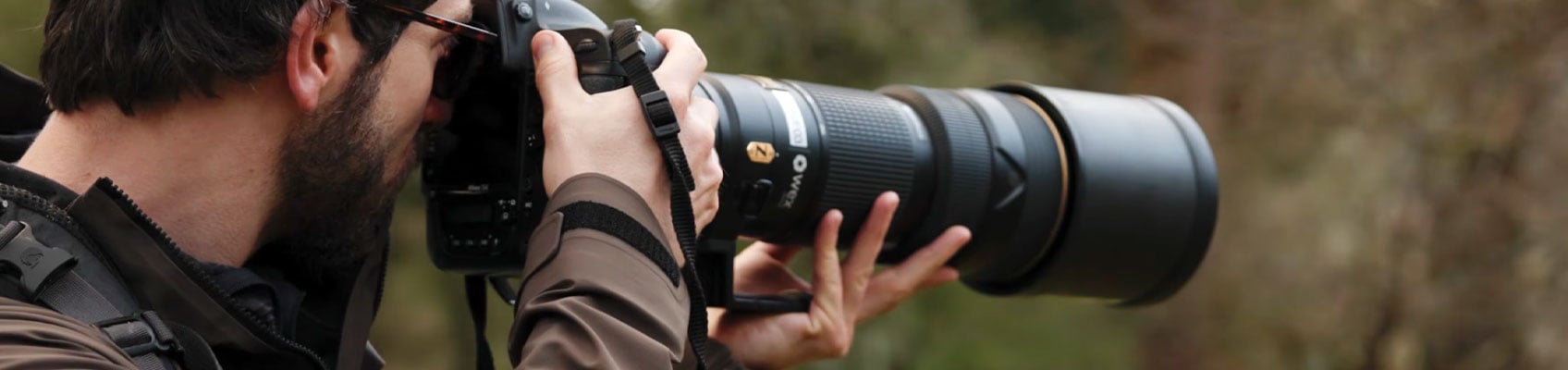
Building a great wildlife photography setup is a matter of weighing up the best wildlife photography camera and the best wildlife photography lens against your budget. Everyone has a different amount to spend, so it’s all about maximising the bang you get for your buck.
Last time in this series, our wildlife photography experts looked at how to build a great wildlife photography setup for £500 or less. This time, we’re increasing the budget a little, and setting them the challenge of crafting a brilliant wildlife photography setup while staying within £1,500.
What will the experts recommend with this level of budget? Read on to find out…
Jon Devo – Camera gear expert
Camera: Sony A6700
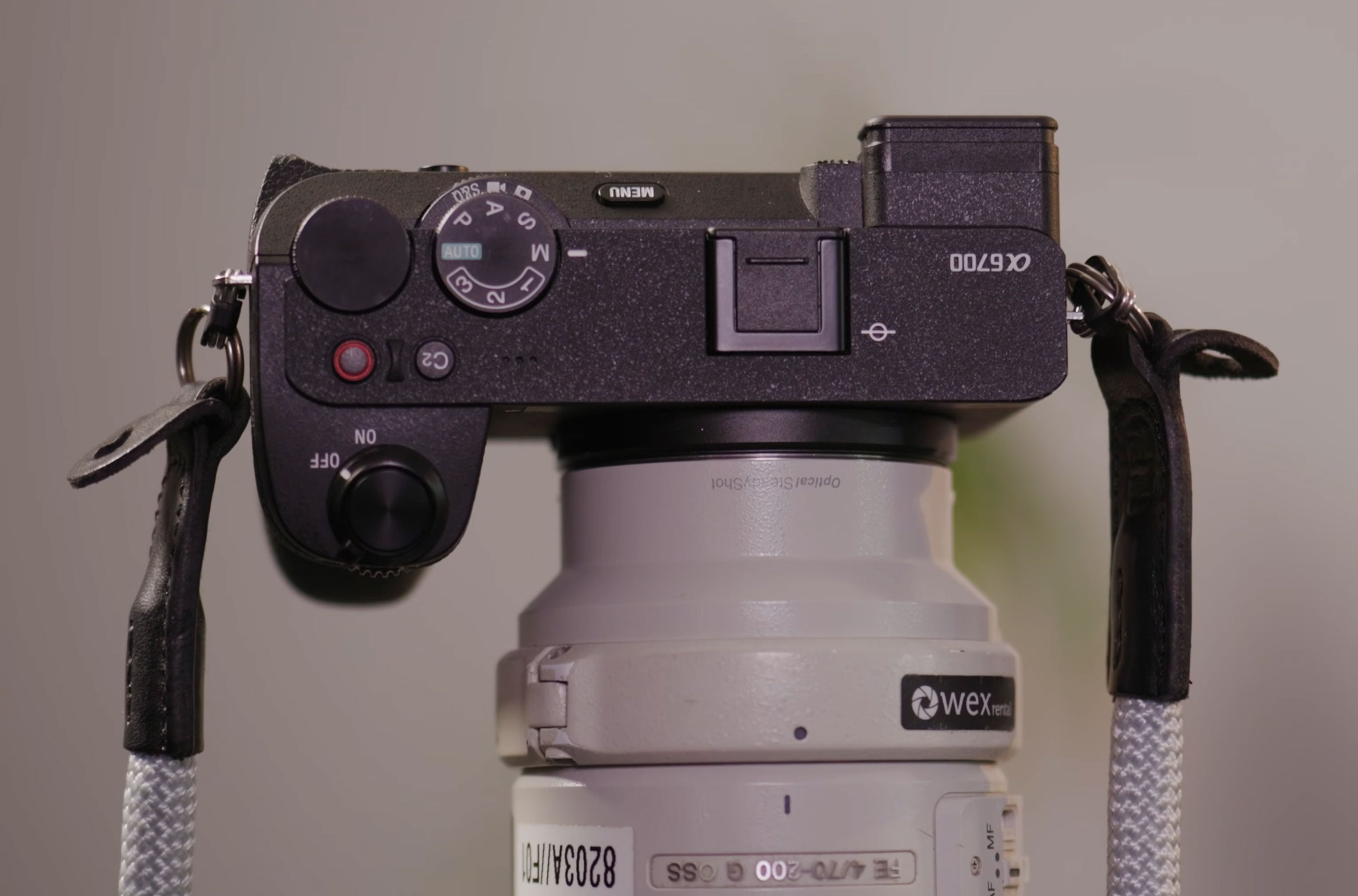
Jon Devo, one of our go-to experts for all things camera gear, has picked the Sony A6700 as his recommendation for a wildlife kit under £1,500. Buying new, you can get the camera and a lens and stay just about within budget – however, for even more value, you can shop used, picking up the A6700 for about £1,000–£1,150, leaving some change left over for a used telephoto lens.
So, what is the Sony A6700? It’s an APS-C mirrorless camera in the Sony E-mount range, sporting 26MP of resolution. This is a little lower than some of our previous picks, but is still plenty for wildlife photography; you’ll have no issues making prints of your images if desired.
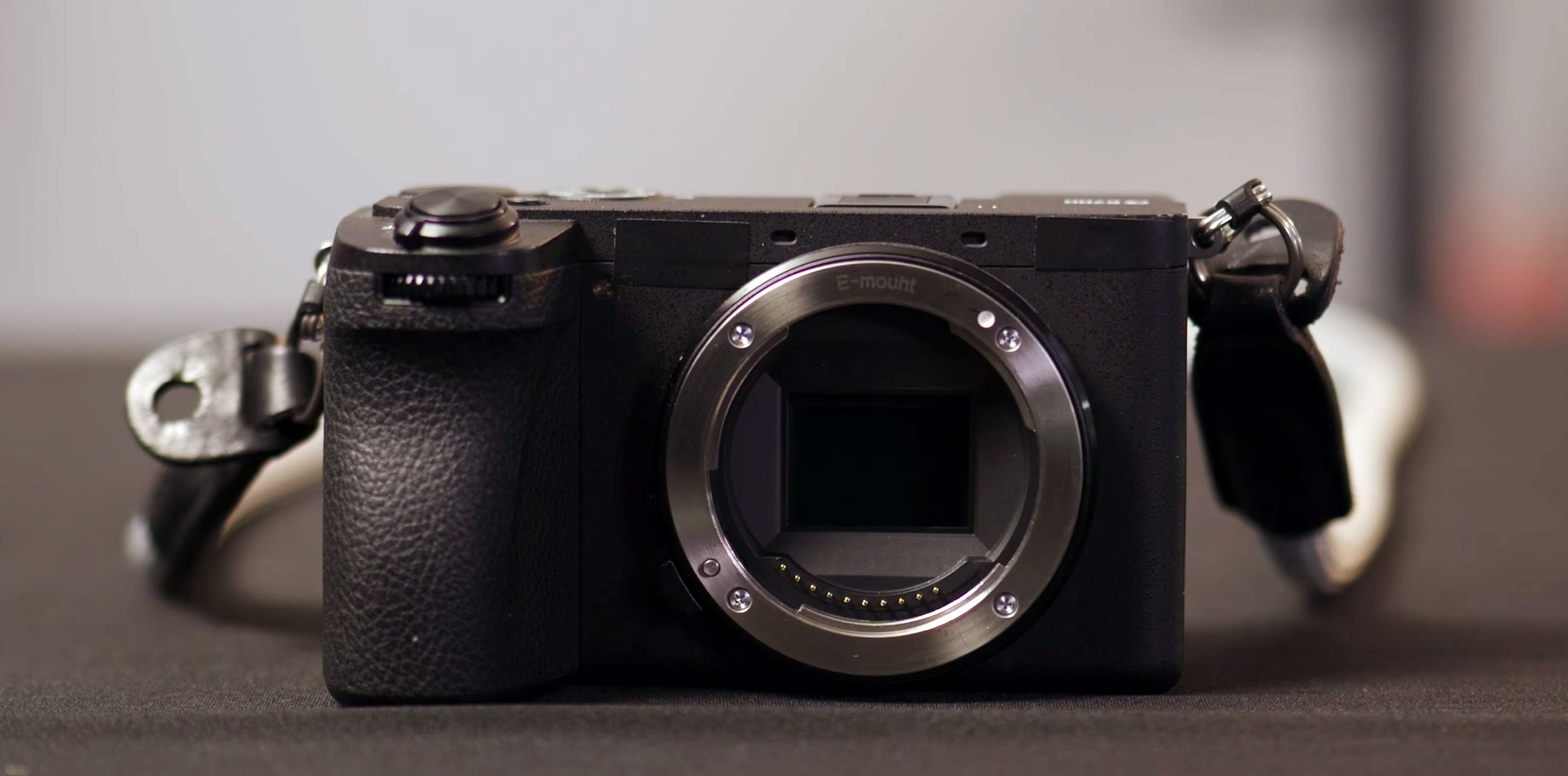
It’s also something of a speedster, with 8fps burst rate on the mechanical shutter and 11fps on the electronic. This is aided by the jewel in the crown: the 759-point phase-detect autofocus system, which is fast and accurate and aided by AI-powered subject detection that can intelligently recognise and lock onto subjects like birds and animals. For wildlife photography, this is practically a cheat code, and you don’t always get it on cameras at this price point.
If you’re coming from a DSLR, you’ll be immediately struck by how much more lightweight the A6700 is. Even so, it has a pronounced grip for a secure hold and a solid body – it handles really well. The electronic viewfinder gives you an instant real-time readout of subject tracking and focus points.
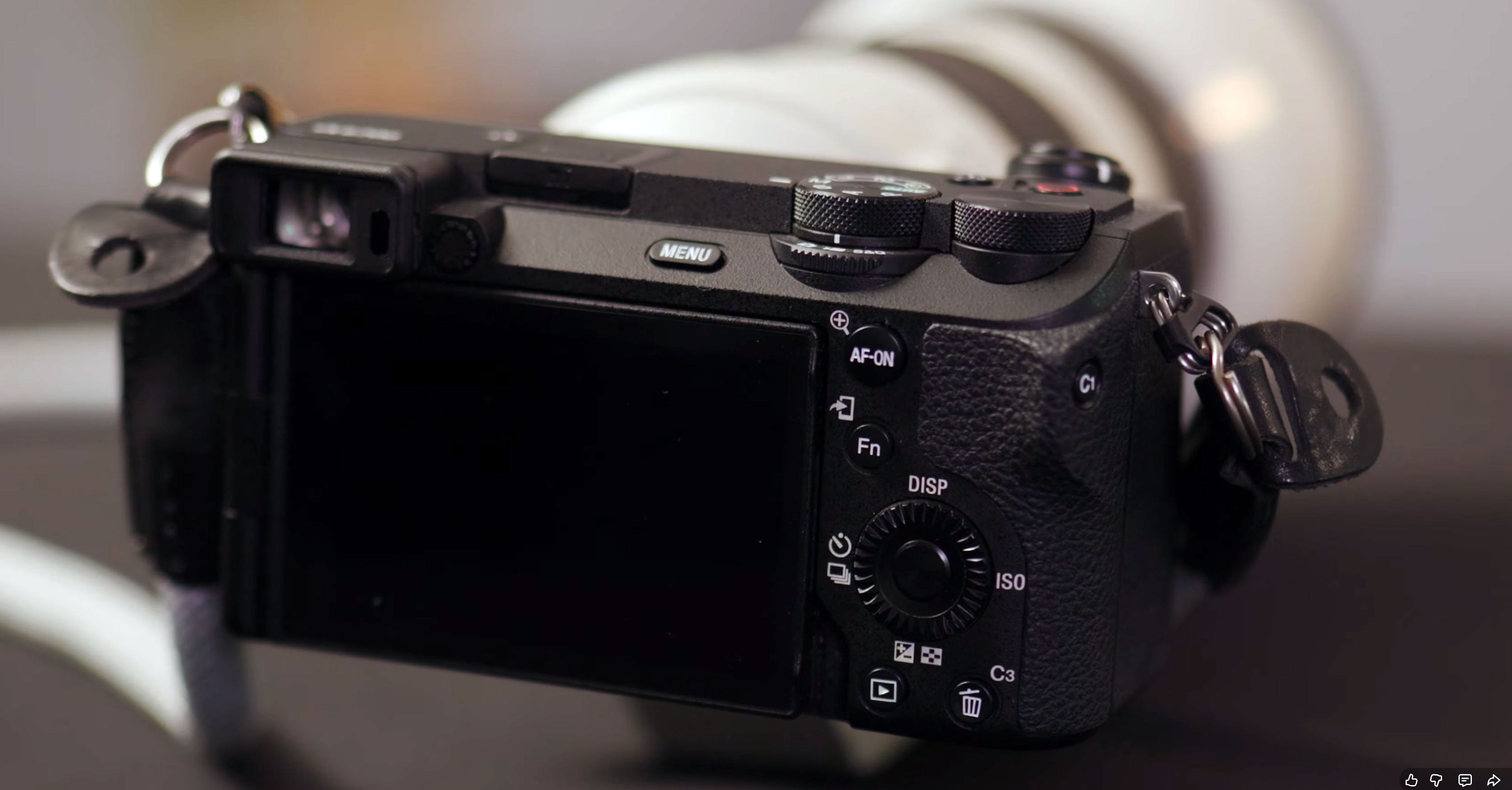
With 5-axis in-body stabilisation, which can combine with optical stabilisation in compatible Sony lenses, the A6700 is a strong performer in low light; you can experiment with slower shutter speeds while shooting handheld and still get blur-free images. The sensor is also great for handling noise – as Jon points out, it does better at this than comparable DSLRs, and you can flirt with higher ISOs without compromising your images.
As mentioned, the A6700 is an APS-C camera. The smaller sensor size means that the crop factor effectively extends the focal length of your lenses by a factor of 1.5x. So, a 200mm lens will behave in practice like a 300mm lens. This is
Alternatives?
At this price point, Jon also recommends the Canon EOS R7. Another APS-C mirrorless camera, it has a slightly higher resolution of 32.5MP. Shooting at up to 15fps with its mechanical shutter, it’ll keep up with any subject, and having the ability to adapt it to use EF glass gives you a huge amount of potential for finding affordable lenses. Check out our used stock of the R7 here.
Alternatively, there’s also the Fujifilm X-H2S. You will definitely have to shop used to stay within budget, but with 15fps, a 26.1MP sensor and Film Simulation modes, it’s capable of delivering amazing results.
Tom Mason – Pro wildlife photographer
Camera: Nikon D4
Lens: Nikon 200-400mm f4 VR II
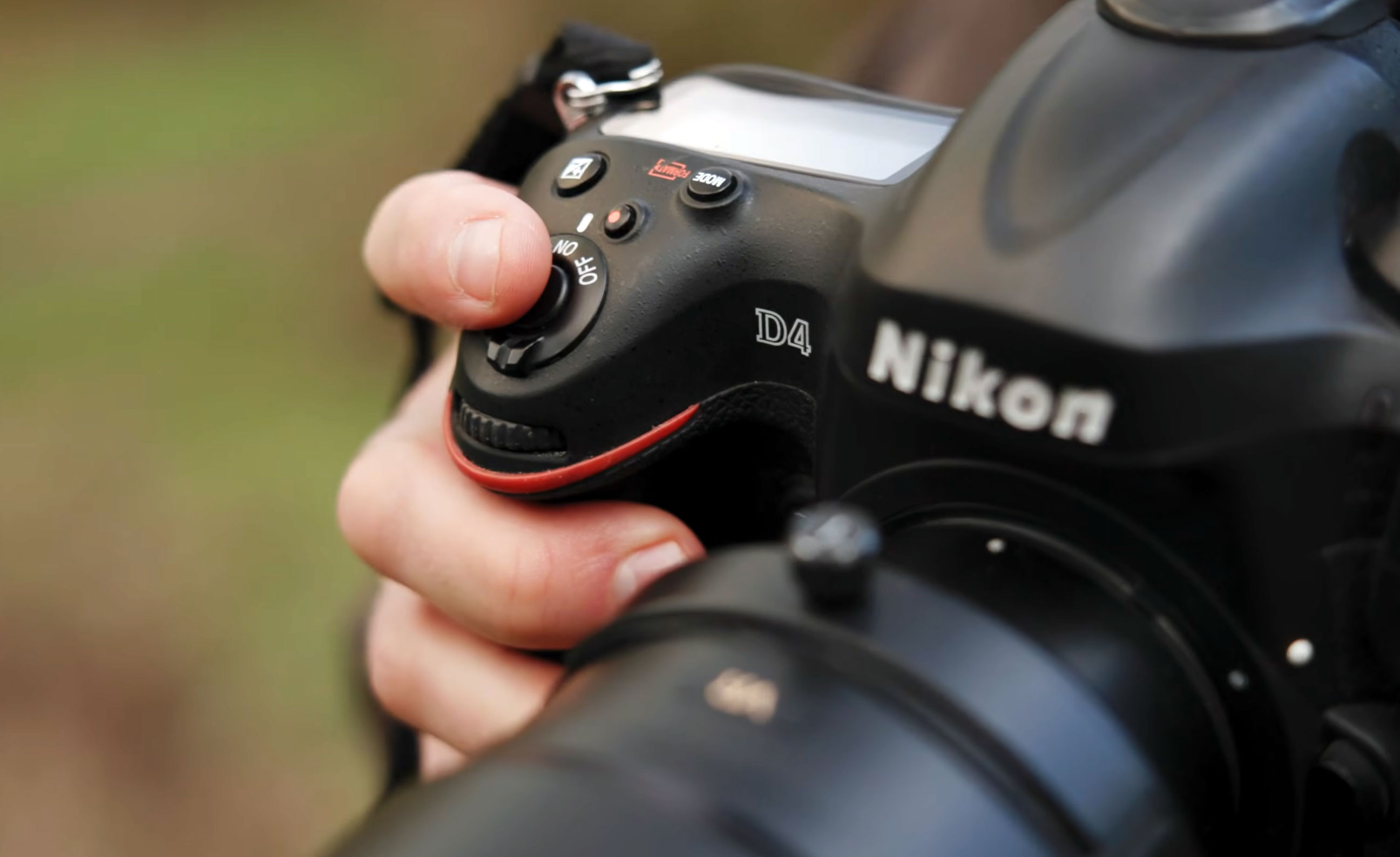
Tom Mason, an award-winning professional wildlife photographer, has gone a little more old-school for his under-£1,500 wildlife setup. He has picked the Nikon D4, a professional DSLR that once would have cost thousands but nowadays can be picked up for as little as £300 on the used market. And as Tom says, it’s a heck of a lot of camera to get for that price.
The D4 is built around a 16.2MP full-frame sensor. So, while the topline resolution is lower than we’re used to seeing nowadays, you still get that full-frame depth and dynamic range – and 16MP is still enough for sharing images online and making prints.
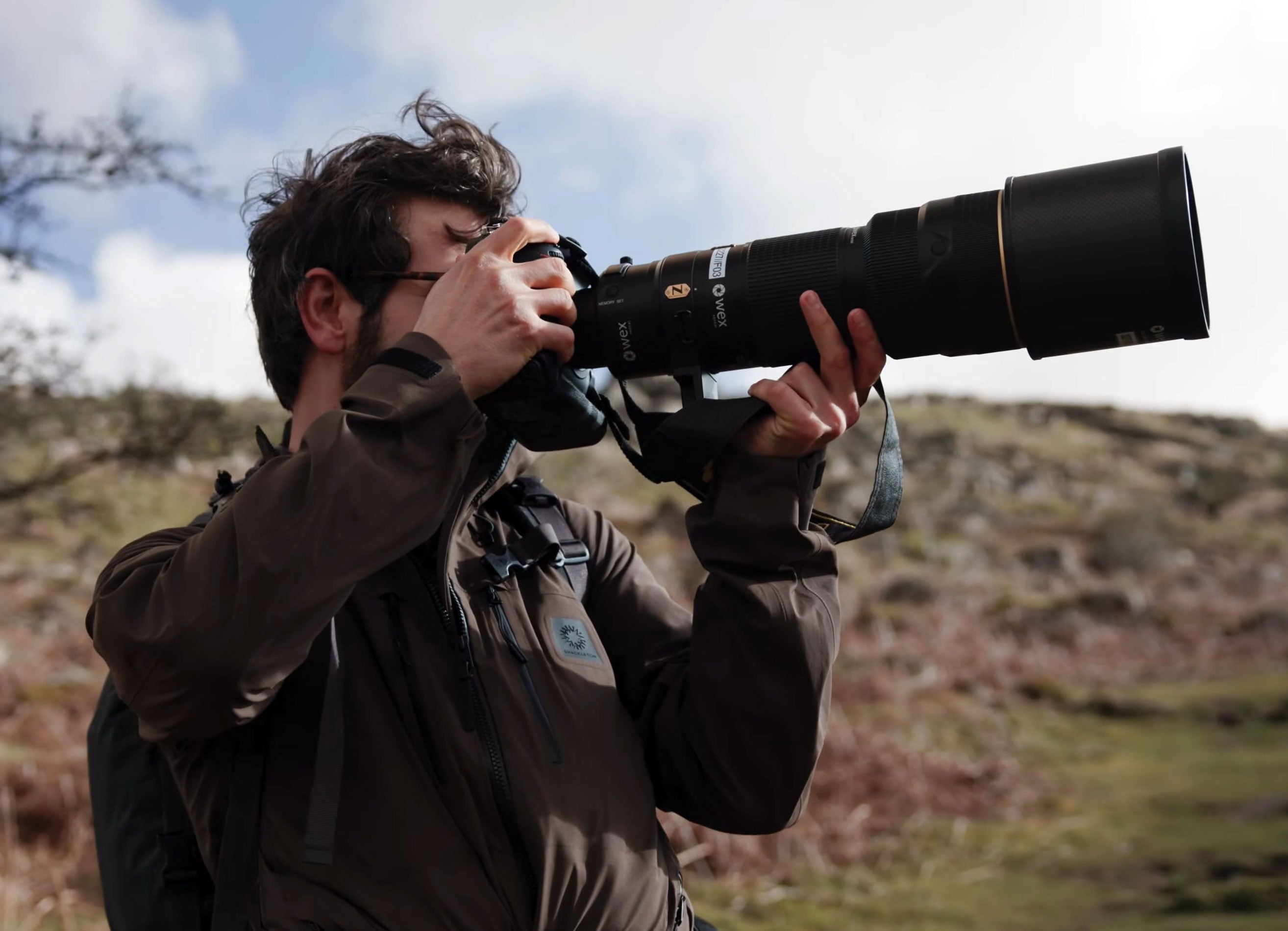
Its autofocus system is based on 51 cross-type AF detection points, with excellent tracking that grabs hold of subjects well. Complementing this is an 11fps burst rate, which is more than enough, and is matched by a generous shot buffer. You don’t get modern conveniences like subject-recognition autofocus – but wildlife photographers have been doing without those for a long time.
Where the D4 really excels is in its handling. This is a big, bolshy DSLR with big, satisfying DSLR handling; its body is fully magnesium alloy, completely weather-sealed, and as Tom says, tough as nails. It also has one advantage of DSLRs over mirrorless models – incredible battery performance. This thing just shoots and shoots.
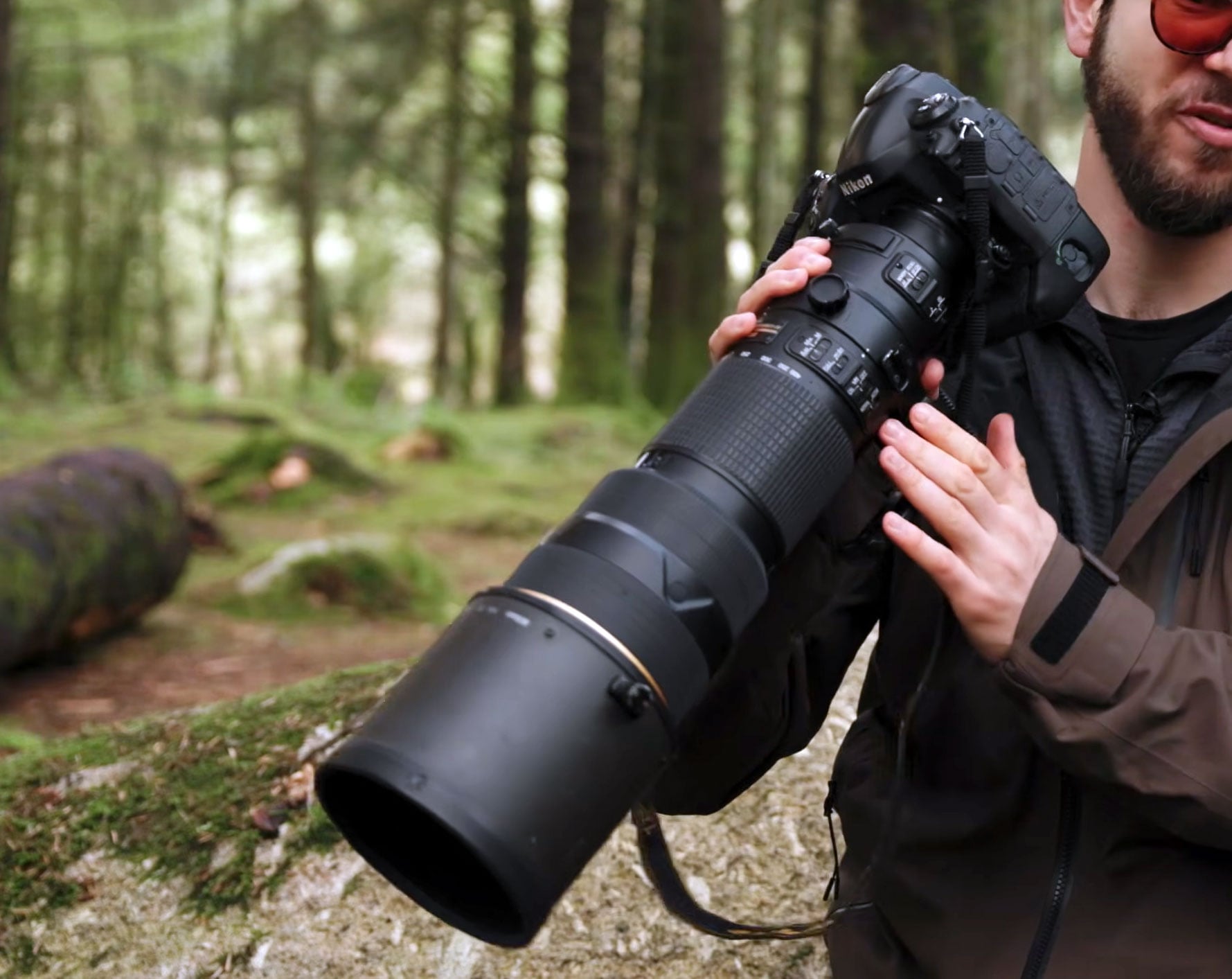
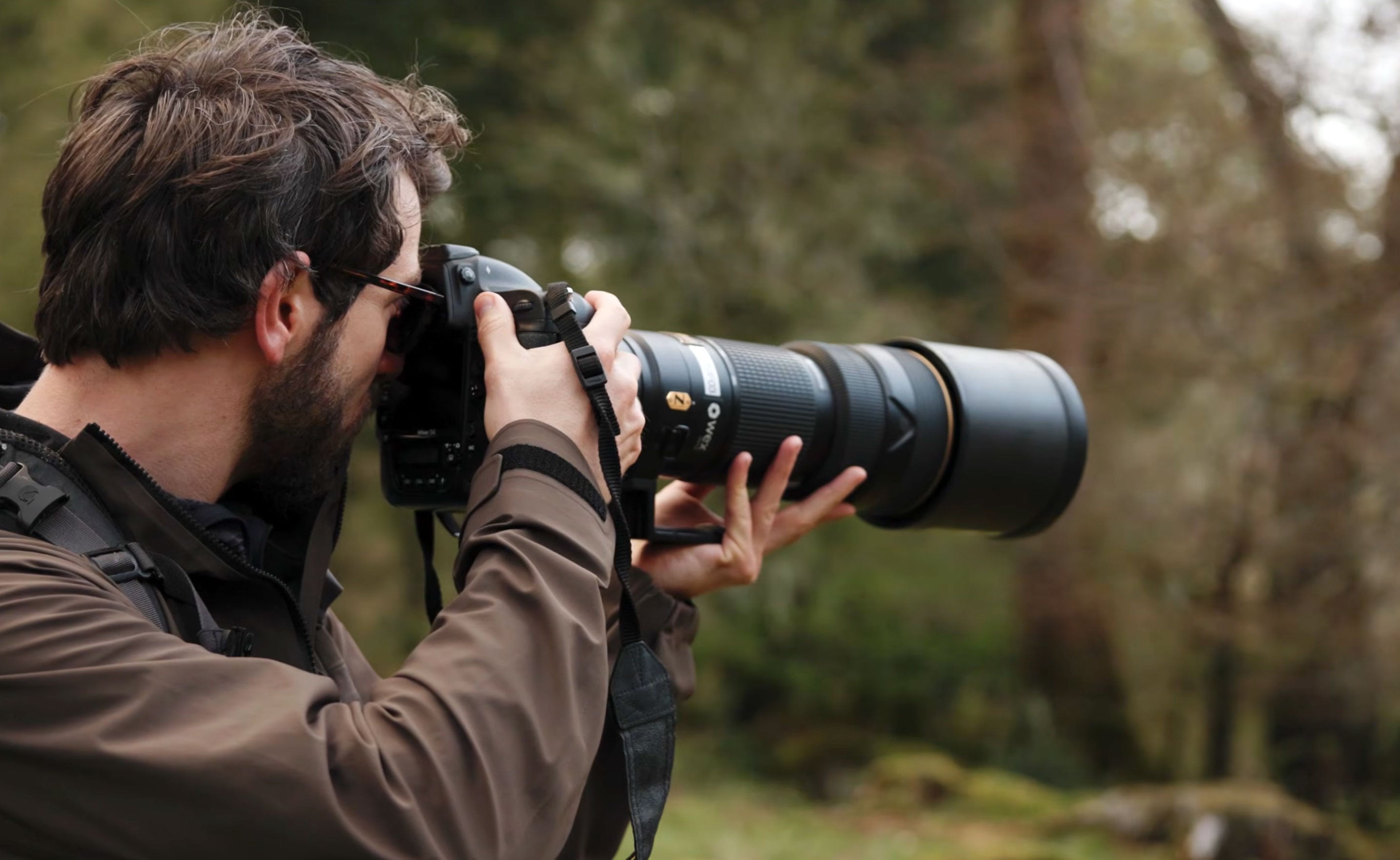
Turning our attention to the lens, Tom has picked the Nikon 200-400mm f4 VR II, a capable telezoom with a constant aperture. This focal range will cover the vast majority of situations you’ll need for wildlife photography, and its strong close-focusing ability means it’s as comfortable up close as it is at distance.
The lens is weather-sealed and has very satisfying ergonomics, with a big zoom ring, lots of physical controls and a well-placed manual focus ring. It also benefits from memory recall, which allows it to jump instantly back to a particular focus point.
Drawbacks?
As Tom mentioned, the resolution of the D4 is lower than modern standards, and that may be an issue if you’re planning to make large prints of your images. It’s also quite a big and heavy setup – a professional DSLR and a telephoto zoom lens is not a small combo, and if you’re hefting this pair for a long day’s shoot, you’ll feel it.
That’s our experts’ mid-range wildlife setup! Next time, we’ll be taking a look up the chain and seeing how best to build a wildlife photography setup with a budget of £5,000 – so keep an eye on the blog and our YouTube channel.
All used equipment discussed is subject to stock availability, condition, and pricing at the time.
Watch the full video here:
About the Author
Jon Stapley is a London-based freelance writer and journalist who covers photography, art and technology. When not writing about cameras, Jon is a keen photographer who captures the world using his Olympus XA2. His creativity extends to works of fiction and other creative writing, all of which can be found on his website www.jonstapley.com
Trending Buying Guides
The Wex Blog



Sign up for our newsletter today!
- Subscribe for exclusive discounts and special offers
- Receive our monthly content roundups
- Get the latest news and know-how from our experts