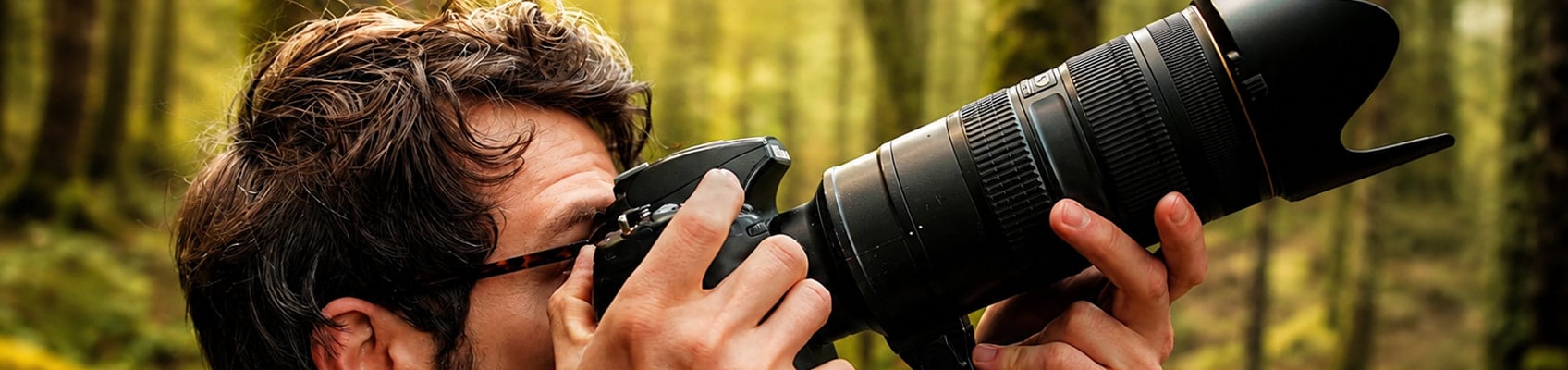
You could be forgiven for thinking that building a great wildlife photography setup is something that’s unavoidably expensive. You need fast burst rates, long telephoto reach and megapixels to spare, right? You need the best cameras for wildlife and best lenses for wildlife – and all that costs quite a chunk of change.
Well, while it’s true that you do need those things, the fact is that you don’t have to spend a huge amount of money to get a great wildlife setup. If you’re willing to shop second-hand, there are some fantastic wildlife bargains to be found on the used market. The cameras people were using to capture great wildlife images ten years ago will still capture great wildlife images today – and can be bought for a fraction of the price.
We tasked two of our experts with a deceptively simple challenge – build a great wildlife photography setup with a budget of around £500. So, if you’re looking to build an affordable wildlife photography setup for yourself, read on to find out how the experts do it.
Jon Devo – Camera gear expert
Camera: Canon EOS 90D
Lens: EF 70-200mm f/4L IS USM
Jon Devo is a photographer, videographer, journalist and self-confessed tech geek, who’s been working with cameras for more than a decade, and will be a familiar face to anyone who subscribes to the Wex Photo Video YouTube channel.
His camera pick for a budget wildlife setup is the Canon EOS 90D. A good old workhorse DSLR with an APS-C sensor, the EOS 90D offers 32.5MP of resolution, a burst rate of 10fps, and continuous autofocus. It was first released in 2019.
Despite being a twenty-year-old camera, the EOS 90D’s resolution is still competitive today – on par with that of the recently released Canon EOS R6 Mark III. It’s more than enough pixels for printing even in larger formats.
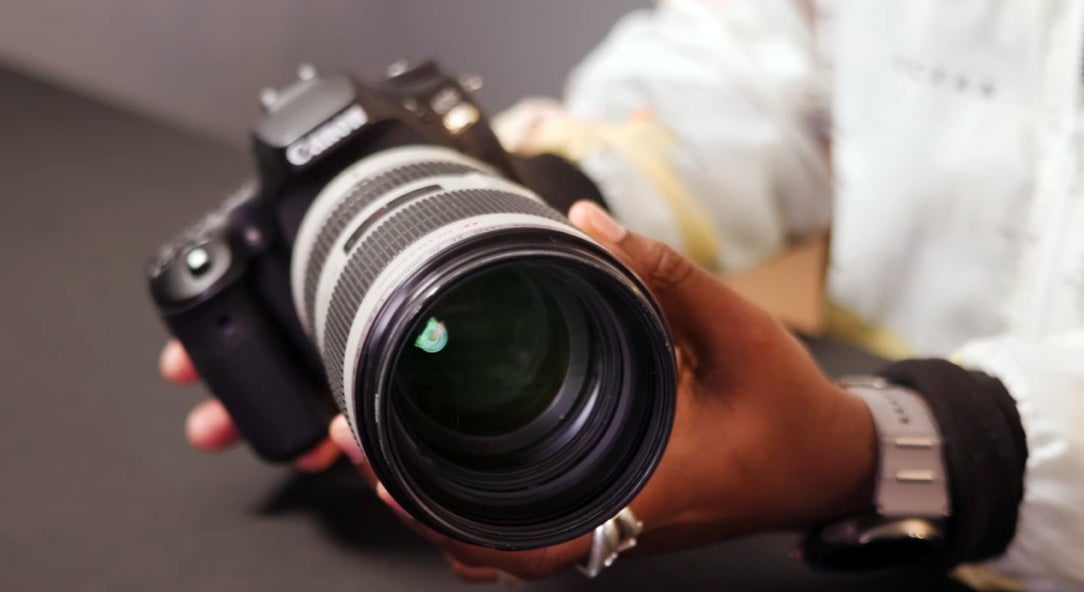
The crop of an APS-C sensor is often billed as a disadvantage compared to full-frame. However, as Jon points out, in the case of wildlife photography it can be an asset. The effective 1.6x crop of a Canon APS-C sensor extends the effective telephoto reach of your lenses by that amount – so, a 100mm lens behaves like a 160mm lens, for instance. This gives you more distance without increasing the weight and expense of your setup, and makes it easier to get frame-filling images of distant wildlife subjects.
The EOS 90D’s 10fps burst rate – also very competitive with the cameras of today. And while the continuous autofocus may not compete with hybrid mirrorless systems benefiting from AI-powered subject recognition, it’s still capable of keeping up with fast-moving wildlife.
And as for the lens, the workhorse focal length of the EF 70-200mm F4 is extended to 112-320mm by the APS-C crop factor, giving you much more effective telephoto reach. A constant aperture of F4 means you never have to compromise on how much light you let in when zooming.
Drawbacks?
Jon points out that since the EOS 90D is an older camera, its high-ISO noise performance isn’t as strong as that of later models. It offers an ISO range of 100-25,600, but in practice you don’t want to push it that high if you can avoid it, as the levels of noise can significantly compromise the quality of images.
Check here to see what used Canon 90D stock we have at the moment!
Tom Mason – Pro wildlife photographer
Camera: Nikon D700
Lens: Nikon AF-S Nikkor 70-200mm f/2.8G IF-ED VR
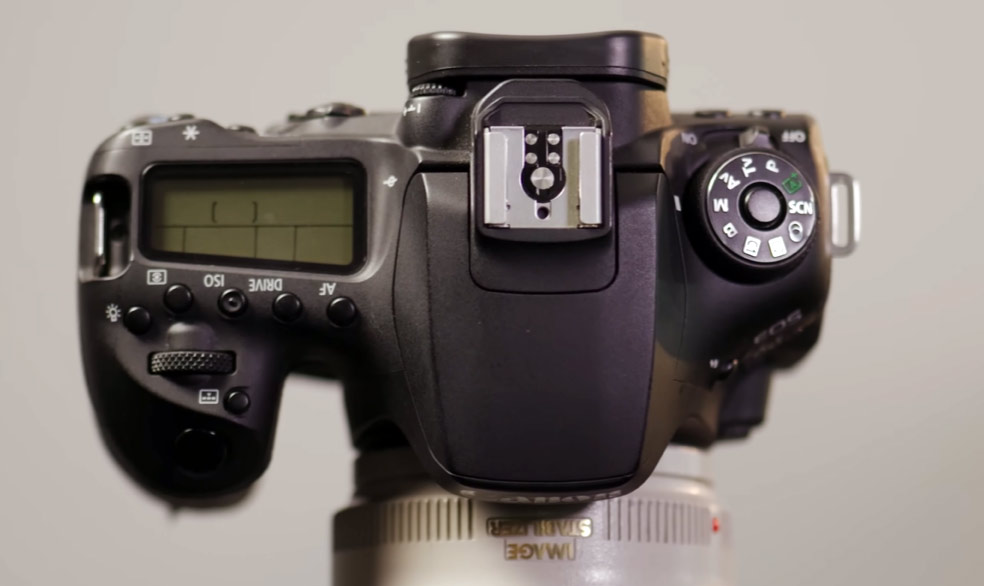
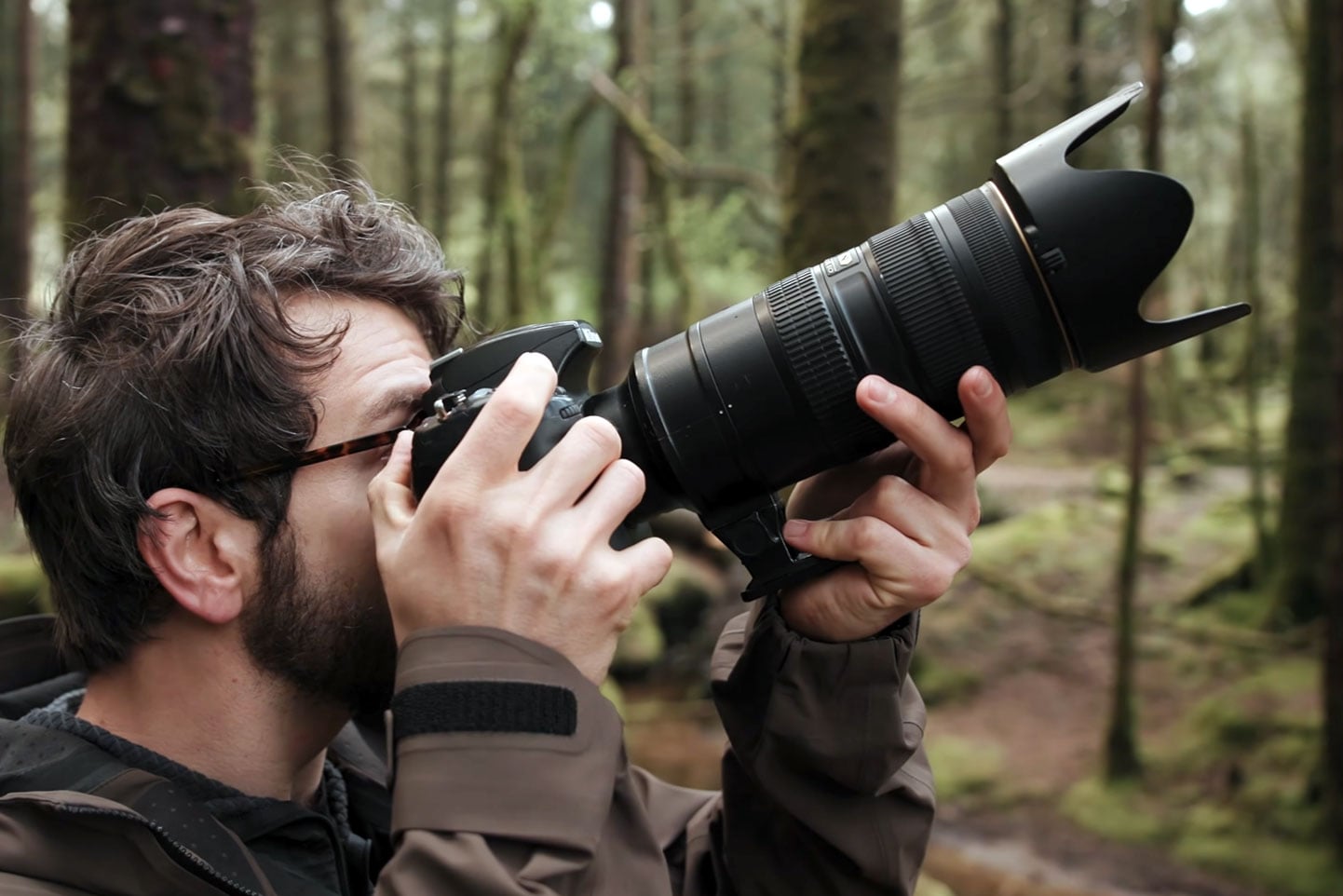
Award-winning pro wildlife photographer Tom Mason is another of our go-to experts. For his £500 setup, he has picked an older DSLR, the Nikon Z700. Unlike the EOS 90D, this camera is full-frame, so while you don’t get that handy crop factor, you do get a significant upgrade in image quality and dynamic range from the larger sensor.
Also, as Tom says, if you’re serious about your wildlife photography, it’s worth getting used to how it feels to shoot full-frame. How your lenses handle, how your images feel. You’ll probably end up there one day, so why not start now?
With a top-line resolution of 12.1MP, the Nikon D700 offers a low pixel count by today’s standards, but still provides enough for Instagram and printing up to A3 size. Like all Nikon’s pro DSLRs, it’s built like a tank, and will easily stand up to the rigours of outdoor wildlife photography.
Its burst rate is 5fps, which can be upgraded to 7fps with the optional battery grip. It takes CompactFlash cards, which are less used nowadays, but are still cheap and easy to get hold of. And as Tom stresses, one of the best features of the D700 is its battery life. Like many DSLRs, this thing just goes and goes – which is ideal for a long day of outdoor wildlife photography.
Lens-wise, the Nikkor 70-200mm f/2.8 will give you plenty of light-gathering ability thanks to its constant F2.8 aperture. The focal length isn’t quite at the level for super close-up images, but as Tom points out, for general, day-to-day wildlife photography, it’s an ideal starting point.
Drawbacks?
As mentioned, the D700’s 12.1MP resolution is low by modern standards. And while it’s going to be perfectly fine for the majority of what most modern photographers are going to want to do, if you are keen to make big prints of your images, it may not be quite sufficient. It also limits your options to digital recreate a long zoom lens by cropping in, something that images with high pixel counts are more tolerant to.
Check here to see what used Nikon D700 stock we have at the moment!
Check here to see what used Nikon 70-200mm AF-S Nikkor f2.8G ED VR II Lens stock we have at the moment!
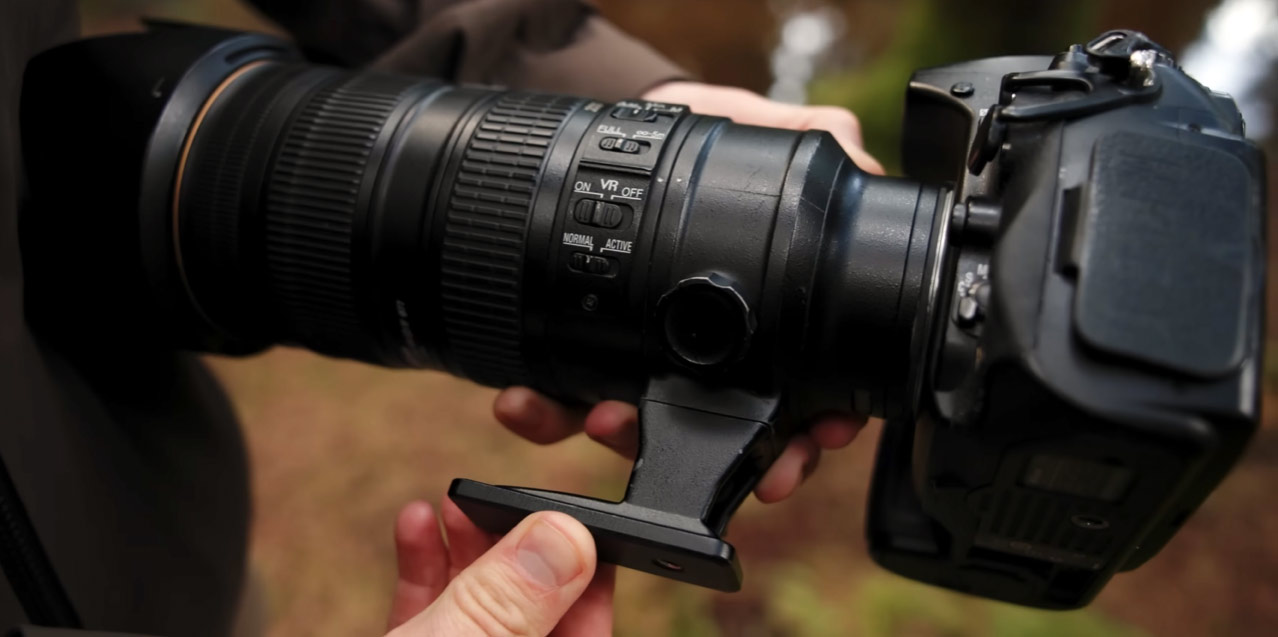
So, if you’re looking for an affordable wildlife setup, there are some ideas to get you started. And keep an eye on the blog, as we’ll also be publishing recommended setups for those with a little more budget to spare…
All used equipment discussed is subject to stock availability, condition, and pricing at the time.
About the Author
Jon Stapley is a London-based freelance writer and journalist who covers photography, art and technology. When not writing about cameras, Jon is a keen photographer who captures the world using his Olympus XA2. His creativity extends to works of fiction and other creative writing, all of which can be found on his website www.jonstapley.com
Trending Articles


Sign up for our newsletter today!
- Subscribe for exclusive discounts and special offers
- Receive our monthly content roundups
- Get the latest news and know-how from our experts