
I do believe that one of the best things about the photo industry is the variety. Fujifilm cameras are very different to Sony cameras, which are very different to OM System cameras, which are… you get it. Us photographers are spoiled for choice when it comes to our gear.
WITH THAT SAID… there are a few areas where I wouldn’t mind a little less variety. Features that I would like to see on every camera going forward. These aren’t just standard iterative improvements like “more megapixels” or “faster burst speeds”, but are discrete and distinct features that we’ve already seen on some cameras, but I think should be extended to all. You may or may not agree, however, I regret to announce that I am correct and will not be taking feedback.
See our guide to the best mirrorless cameras for examples of great cameras that have a few of these features — but I’m hoping with some sustained campaigning, we can pump those numbers up. Let’s take a look.
- Built-in storage
The physical requirements of digital storage architecture used to make this non-starter. But now, huge amounts of memory can fit into the tiniest of devices — microSD cards exist that can hold multiple terabytes. It’s perfectly possible for even relatively inexpensive digital cameras to come equipped with internal memory for storage of photos and videos, and I think every single camera should do so.
Built-in memory doesn’t even have to be the camera’s primary means of recording its data. A dedicated memory card will likely be both faster and able to hold more files. However, built-in storage can be a fantastic safety net, ensuring that as long as your camera has charge, it’s always able to record an image or a video, even if the memory card is damaged or missing.
Sure, we have dual card slots as a useful source of storage redundancy. But built-in storage is a brilliant backstop. And while it’s unlikely that two cards could separately fail in the middle of shooting a wedding, it’s by no means impossible, and I’m sure many photographers would appreciate the extra peace of mind.
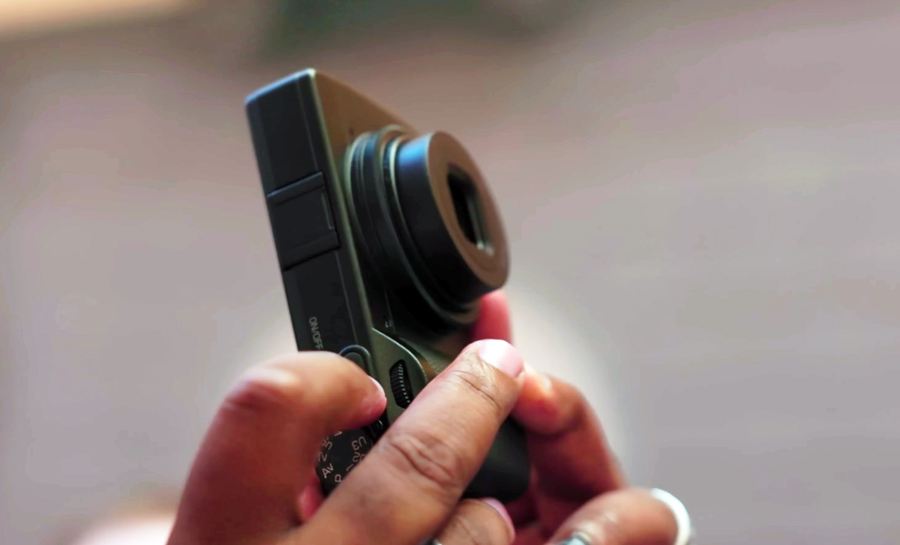
The Ricoh GR IV comes with internal storage. The Hasselblad X2D 100C II has its own built-in SSD. The Leica M11 has 64GB of its own memory. It doesn’t have to be a lot, but I firmly believe that all cameras should offer at least some internal storage as standard.
- USB-C charging
Come on. It’s 2025.
I’m not going to name any names here. But, when the EU introduced its Common Charger Directive, mandating that all new digital cameras sold had to be able to charge via the USB-C standard, it was depressing to see some manufacturers release hastily rebadged versions of their cameras with the old micro USB port either removed entirely or denuded of its charging capability.
We should be able to charge all our cameras with the same cable. We should be able to top up our cameras with the same power packs we use for our phones. No excuses.
- GPS
This may not be a feature for everyone, but it’s a personal favourite for me. I love having GPS-tagged data on my images, especially for travel. I love being able to see where I’ve been and build up maps of where I’ve captured photos. And of course, I can only do that on my phone that I hate, because most modern consumer cameras do not have GPS.
(Yes, I know that many cameras let you add GPS data via companion apps, but that’s not the same, and I will not be acknowledging it.)
I think this is a real missed trick. Manufacturers, in my view, are underestimating the appetite for GPS-enabled cameras, and are sometimes being caught out by it. A case in point was the GoPro Hero 12 Black, which arrived with the GPS functionality removed. This caused a lot of user outcry that I don’t think GoPro anticipated, and shortly afterwards, in the GoPro Hero 13 Black, GPS made a welcome return.
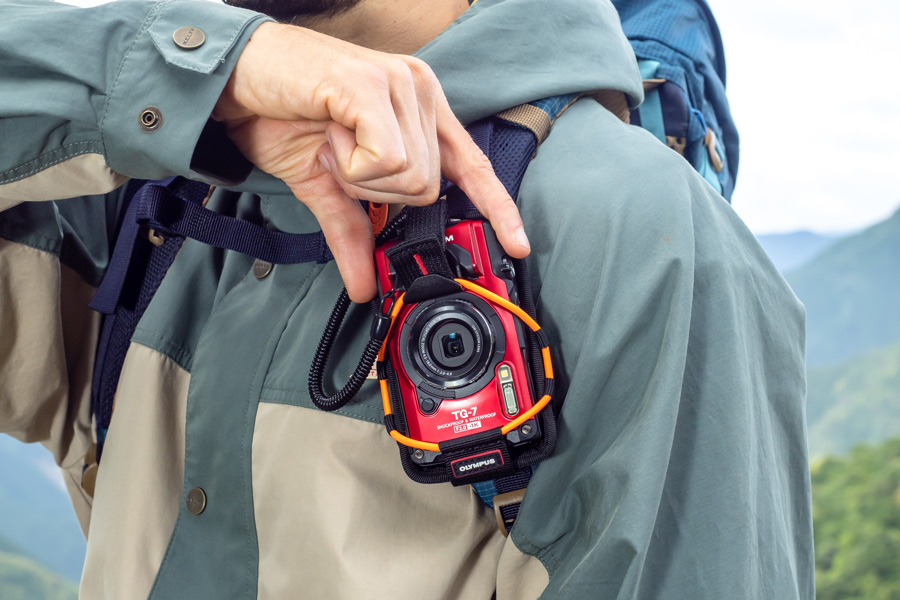
Years ago, putting GPS in cameras used to be cost-prohibitive, but as with so many things in the tech world, it’s easier now than it’s ever been. If affordable compacts like the OM System Tough TG-7 or Pentax WG-8 can find room for GPS, I think a lot of other cameras can too.
- Illuminated buttons
Like many of you I suspect, I love cameras that use physical buttons and dials. I much prefer operating a camera this way to messing about on a touchscreen — at least, I prefer this while the lights are on. In the dark, on a night shoot or in a theatre, it can be another story entirely, and I’m blindly stabbing at the back of my camera trying to remember where the Q button is.
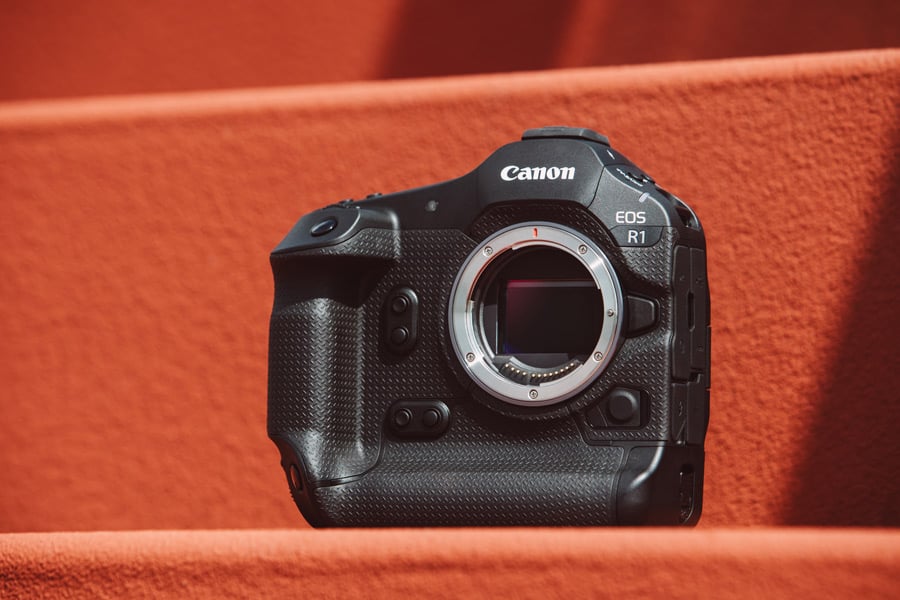
There’s a very easy solution to this that I would love more cameras to adopt: light-up buttons! The Nikon Z8 brought this feature back from the perennially popular D850 DSLR, and it has also found its way onto pro cameras like the Canon EOS R1. I’m optimistic that we might see it trickle its way into cameras that are a little closer to my price range. Surely it doesn’t cost that much to put a few LEDs behind some buttons!
About the Author
Jon Stapley is a London-based freelance writer and journalist who covers photography, art and technology. When not writing about cameras, Jon is a keen photographer who captures the world using his Olympus XA2. His creativity extends to works of fiction and other creative writing, all of which can be found on his website www.jonstapley.com
The Wex Blog



Sign up for our newsletter today!
- Subscribe for exclusive discounts and special offers
- Receive our monthly content roundups
- Get the latest news and know-how from our experts