Summer has arrived – the time of year we’ve all been looking forward to. And while summer brings long days with plenty of light, it’s the quality of light that can sometimes present a problem. Sunny summer days mean the majority of the hours will present high-contrast lighting, rather than the warm, golden hours photographers love to work in.
But don’t let the prospect of harsh lighting put you off; there are plenty of ways around these conditions. We’re serving up six ideas you can employ to make the most of these summery conditions…
-
Make colours pop
Colour catches the viewer’s eye, so ramping up this element in your frame will not only enrich the senses but also throw in the added benefit of distracting from the odd unsightly shadow caused by high-contrast lighting.
One of the byproducts of high-contrast lighting is that your metering system can get overwhelmed, and this can lead to a desaturation effect in your files. The good news is that you can fight back by adjusting the Exposure Compensation settings and underexposing by 0.3 to 0.5 of a stop. This will not only protect your highlights in the frame but also preserve saturation.
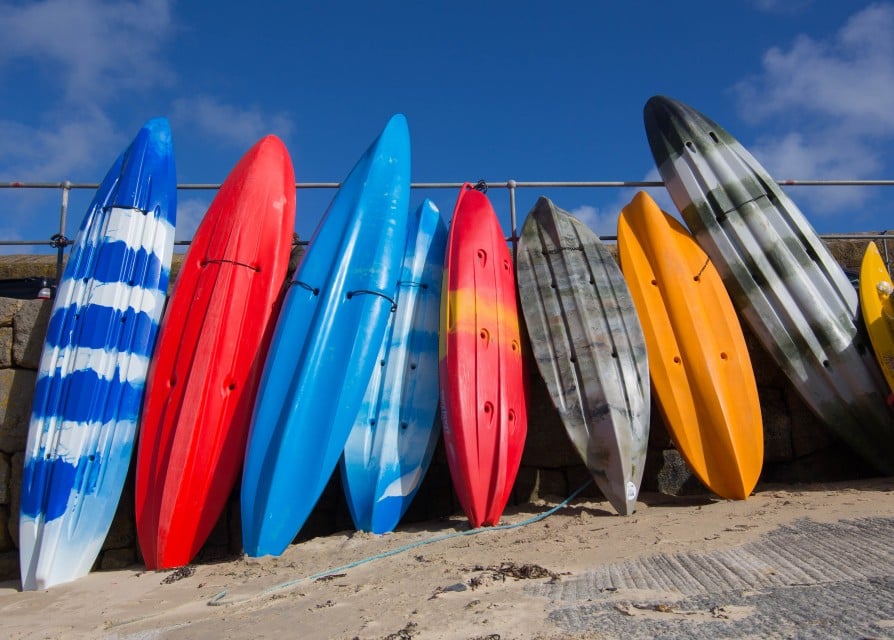
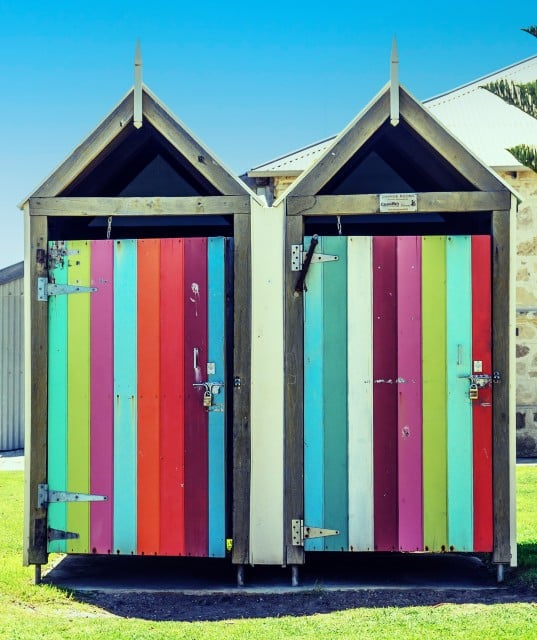
Look for subjects that will stand out in your scene and pop with colour. If you’re at the beach this summer, these could include a collection of surfboards or a row of beach huts. Look for strong colours (reds, oranges, yellows, greens) that will jump out against a bright blue sky and won’t be lost in the background.
-
Take to the air
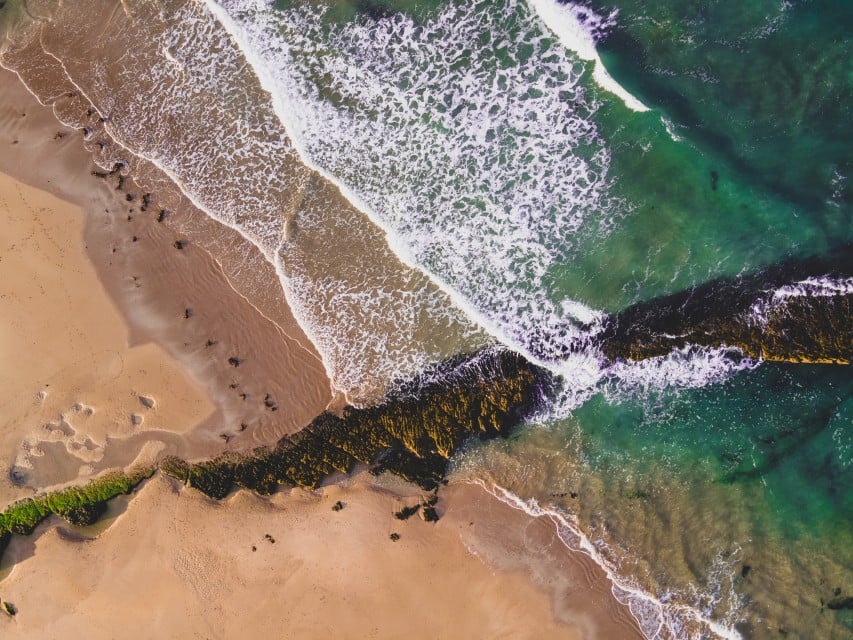
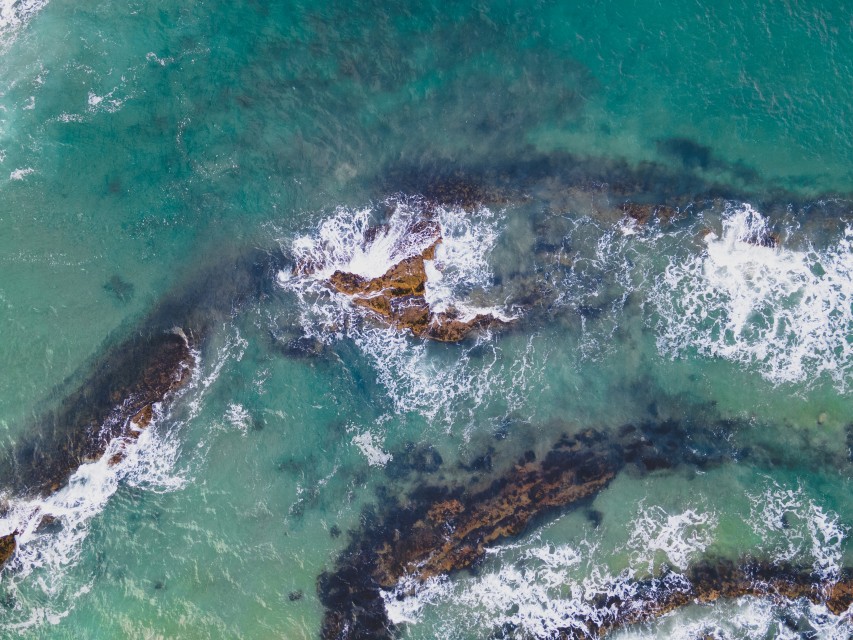
When the sun is high in the sky, it can be hard to line up a composition that doesn’t include the blazing burning globe. That is, unless you take to the sky using a drone! Capturing images from the air will not only showcase even well-known locations in a completely new way, but a straight-down shot will also eliminate the sun from the frame, reducing the risk of any flare caused by the sun’s rays creeping into your image.
These days, there’s a drone to fit every budget, but it’s essential that you follow all the necessary rules and good practices.
Check out our articles on how to fly safely and legally:
The Drone Code | Rules and Regulations
The Drone Code | Pre-Flight Checklist
Search out scenes that show lines and patterns, as these look interesting from above – for example, rocks, sand and waves meeting at the beach always produce eye-catching frames.
-
Play with shadows
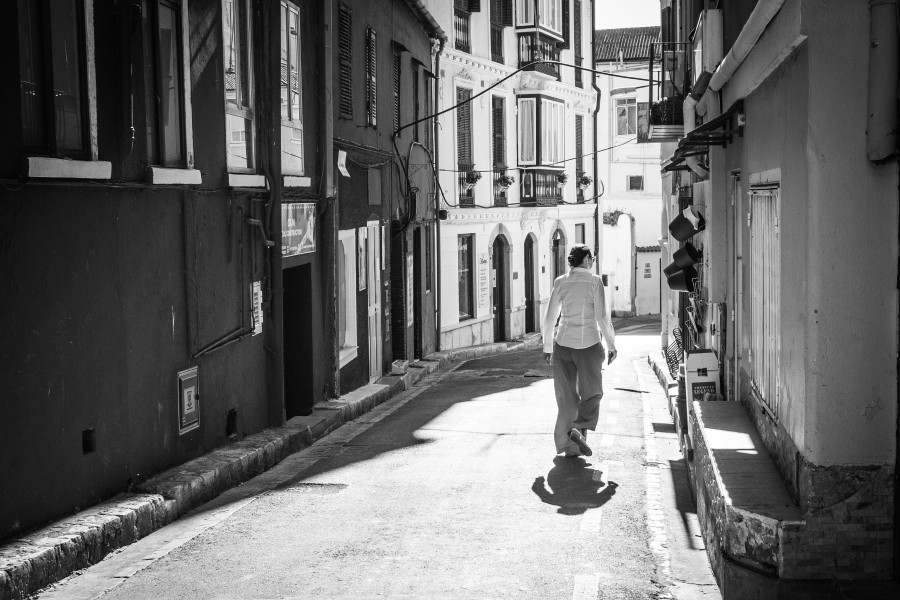
If you can’t avoid high-contrast lighting, then embrace these conditions and make them work in your favour. High-contrast lighting produces strong shadows, and these can be used to creative effect – especially if you are in the city, as the architecture will cast shadows that you can incorporate into your scene.
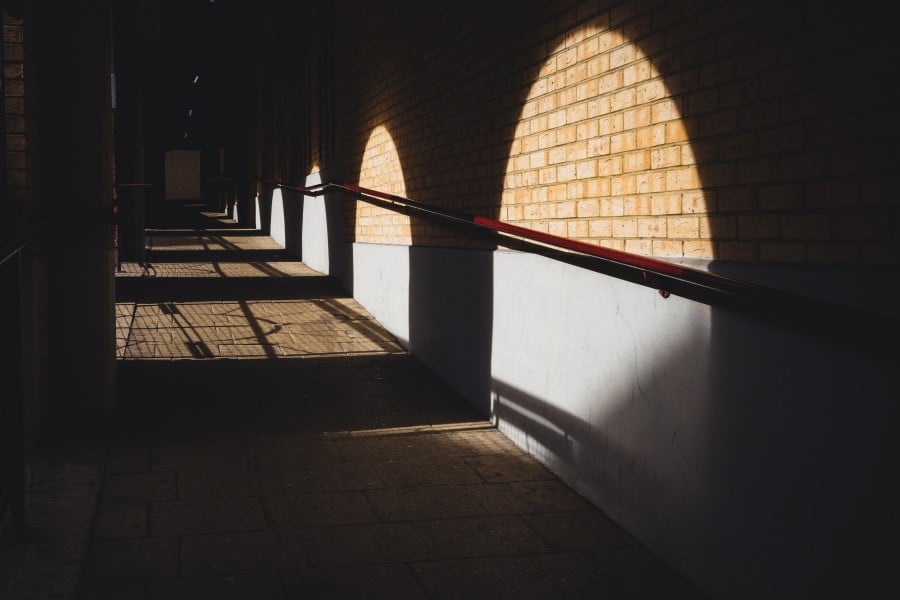
Along with architecture, you can use these conditions to capture some interesting street portraiture – utilising backlighting and casting your subjects into shadow. Remember to shoot in the RAW file format available on your camera, as this will enable you to capture all the raw tonal data available in the scene. When you’re back at the computer, you will have more tolerance to pull back highlights and reveal more detail in the shadows of your frame.
-
Shoot a silhouette
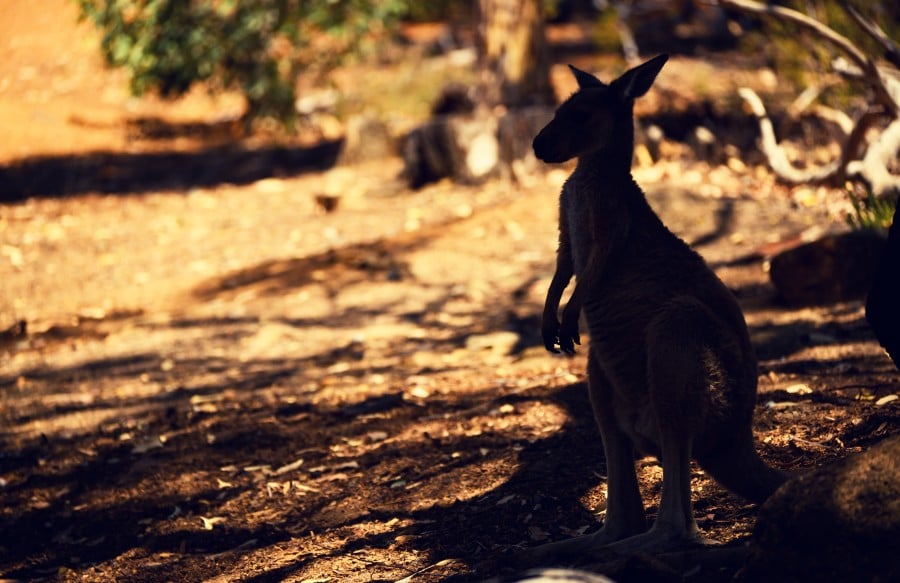
On sunny days, it can be a struggle to balance highlights and shadows in your frame, so an alternative approach is to embrace the contrast and create some striking silhouettes. This may sound like a more advanced camera technique, but in reality it’s fairly simple – just place your subject directly between your camera lens and the sun.
When working with silhouettes, you’re asking the viewer to focus on the form and shape of your subject, so it’s important to include something recognisable. A person in the scene, a bird or even something larger like a church can all work well. Feel free to mix up your focal lengths when working with silhouettes, changing from a wide-angle optic to a telezoom lens to add variety to your silhouette imagery.

-
Go back to black and white
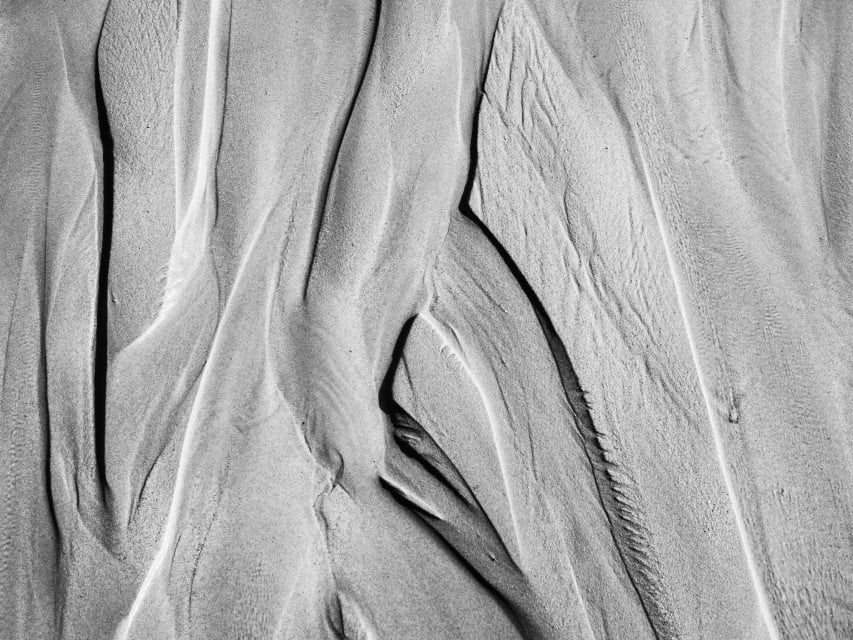
Another solution to the high-contrast lighting you can expect to encounter on a sunny summer’s day is to rid the frame of any colour and go mono. Most cameras enable you to choose whether to shoot black and white in-camera, or you can choose to convert to mono back at the computer.
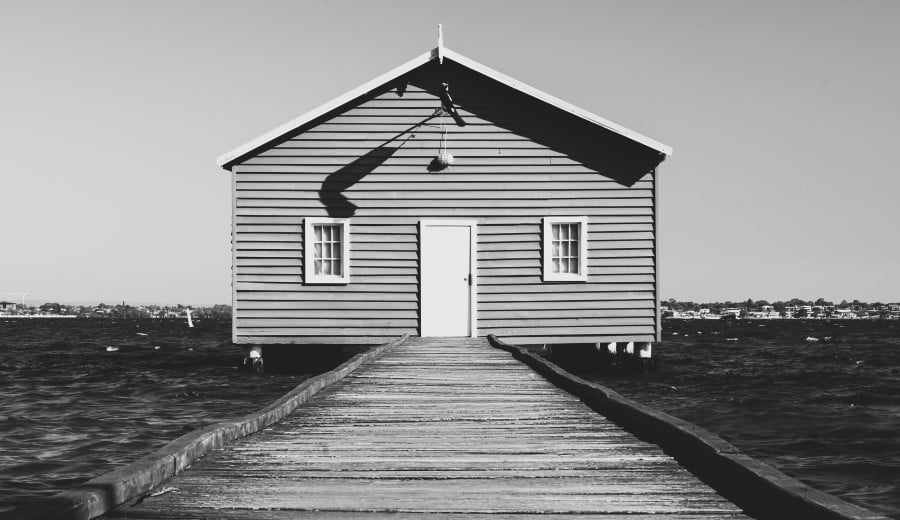
In fact, there are a number of cameras now, such as Ricoh’s GR IV, that have a dedicated monochrome variant, meaning they can only capture black-and-white imagery. Look for scenes with texture, wooden buildings, cobbled pavements, brick walls – these will all work well when converted to mono.
-
Embrace the blues
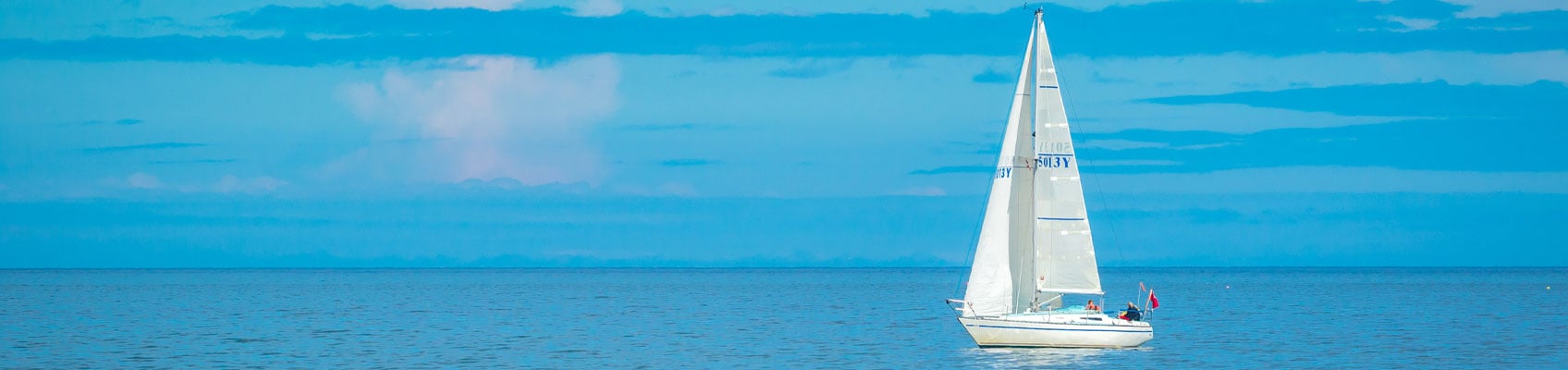
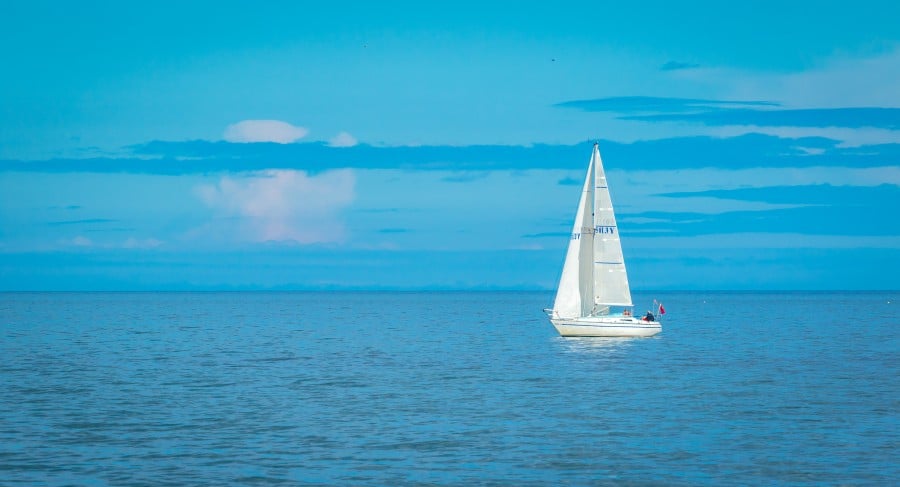
Summer means the seaside, so why not embrace the hues of blue that can be captured there? From panoramic frames of a lone boat on the water to zoomed-in shots of a crashing wave, captured on your telezoom, there is so much to experiment with.
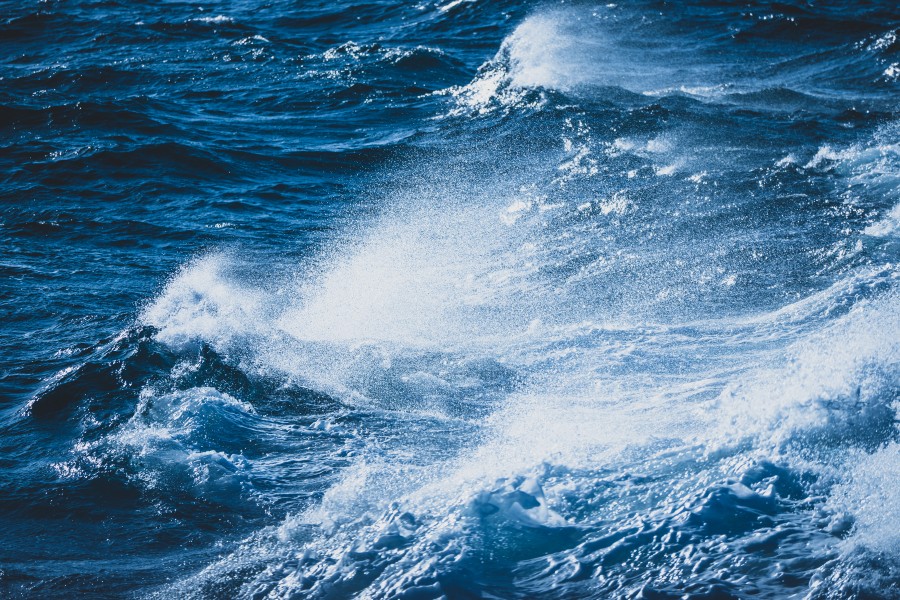
You could even play with time and vary the exposure lengths of your images – employing a fast shutter speed to freeze spray created from a crashing wave impacting on the shore, or go in the opposite direction and add an ND filter to the front of your lens in order to slow down the shutter speed.
Available as either circular “screw-in” filters or as larger square-format ND filter systems, these accessories work by reducing the amount of light that can pass through to reach your camera’s sensor. This artificially extends the shutter-speed time needed for a balanced exposure, allowing those crashing waves to turn into a milky blur – even on super bright sunny summer days.
All images copyright Matty Graham.
About the Author
Matty Graham is a photographer, writer and presenter who creates editorial features that inform and inspire photographers across a wide range of creative disciplines. Through articles, videos and events, he shares practical advice, product insights and real-world techniques to help photographers get more from their kit. Take look at his website and follow his Instagram.
Trending Buying Guides
Sign up for our newsletter today!
- Subscribe for exclusive discounts and special offers
- Receive our monthly content roundups
- Get the latest news and know-how from our experts