
Camera Tripods
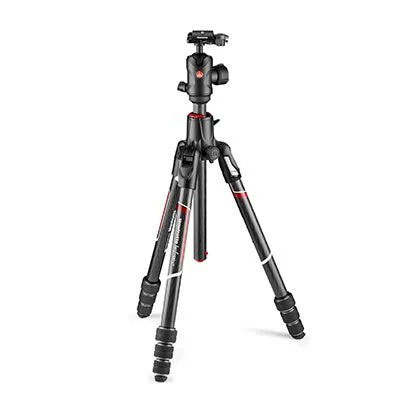
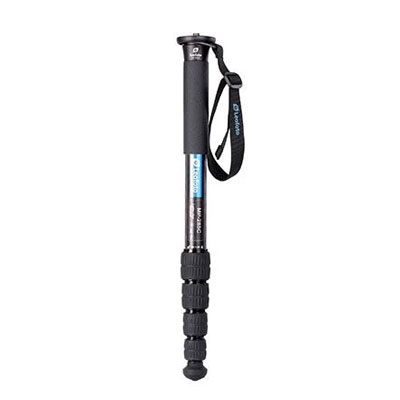
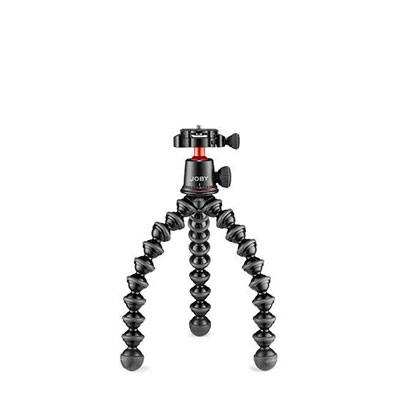
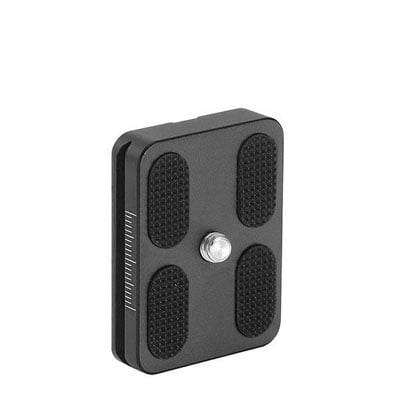
A camera tripod is a photographer’s best friend. Having a solid support for your camera opens up so many shooting possibilities and new techniques, from smooth horizontal panning to long exposures and traffic trails.
Whether you use a professional DSLR camera or a more lightweight mirrorless camera setup – or anything in between – it’s important to find the right tripod for you. We’ll help you by running through the different types available, and show you what to look out for. And once you’ve got your tripod, don’t forget to pick up a dedicated camera bag, as these will often come with dedicated tripod holders.
Camera Tripods
A tripod is, quite simply, a three-legged device that keeps a camera steady. It attaches to the camera via a mount that screws into the bottom, also referred to as the “thread”. The standard thread size on consumer camera equipment is 3/8-inch, while some larger systems use a 1/4-inch thread.
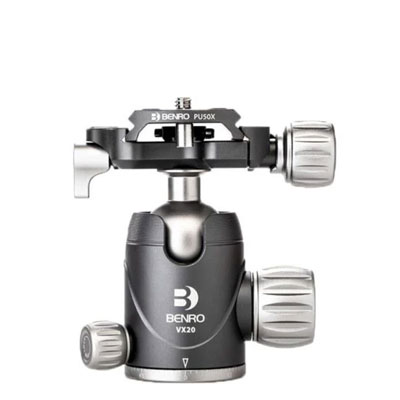
Tripods tend to be used in conjunction with tripod heads, and often will be bundled with one. Heads come in different varieties, including ball heads, pan-tilt heads and more, and they allow the camera to be set at different angles, independent of the position of the tripod.
There are also two key categories of tripod – photography tripods and video tripods. They are broadly similar, with the difference that video tripods tend to be designed to make it easier to move the camera. They’re built around allowing smooth pan and tilt, and tend to have a sturdier build quality. This all means they also tend to be both heavier and more expensive.







Frequently Asked Questions
- What are tripods used for in photography?
-
Being able to stabilise the camera opens up all sorts of photographic possibilities. A key one is long exposures – i.e. having the camera shutter open for long periods, which isn’t possible shooting hand-held as movement will cause the image to blur. This allows for the creation of long-exposure effects like traffic trails or smooth water, and also makes it easier to shoot in low light, as longer exposure times mean more light on the sensor.
- Who makes the best camera tripods?
-
There are loads of fantastic manufacturers out there! Manfrotto, Gitzo, Joby, Calumet, Leofoto, Vanguard, Velbon, Benro, 3 Legged Thing, Peak Design – all of them make fantastic tripods for users at all levels.
- How do you clean tripods?
-
It’s worth cleaning your tripod every so often to make sure nothing is stuck in the moving parts, particularly if you’re an outdoor photographer. Carefully take it apart – keeping track of which piece goes where – and use soapy water to clean each component.
- Where can I buy tripods in the UK?
-
If you want to get a feel for your tripod before buying, visit one of our stores around the UK. Our staff will be happy to help you find the right tripod for your camera.
Second-hand
Range

What are camera tripods made of?
Tripods tend to be constructed from one of two materials, each with its own advantages.
Carbon Fibre Tripods
Carbon fibre is known as the premium material for tripods to be constructed from. It’s lightweight, but also strong and rigid. This makes it easier to get images that are as sharp as possible, without the small imperfections caused by minuscule movements of the camera.
It’s worth bearing in mind that using a lightweight tripod can cause problems in windy conditions, as it will be more susceptible to being blown over or knocked about. Usually a good solution is hanging a weight on the bottom, and many will provide a hook for exactly that purpose.
The other key disadvantage of carbon fibre is that it is a more expensive material, so will tend to come at higher price points.
Aluminium Tripods
Aluminium is the other key construction material. It’s heavier than carbon fibre, which can make it more difficult to carry around for long distances. It also doesn’t have quite the same rigidity, and is more susceptible to corrosion over the long term.
However, aluminium tripods tend to be more affordable than their carbon fibre counterparts. So if you’re a newbie photographer, or just working looking for a budget tripod, aluminum can potentially be the smarter choice.




What to look for when buying a tripod?
Here are a few key specifications to keep an eye on when shopping for a camera support.
Maximum height
How high the tripod can reach with its legs fully extended.
Folded length
How small it packs down. Useful if you’re planning on carrying it long-distance, or need to pack it in a suitcase.
Load capacity
How much gear it can safely carry. This can vary hugely, and if you’re using a lightweight camera and lens, you can potentially save money by getting a tripod with a lower carrying capacity.
Centre column
Some tripods have a centre column that is fixed in place, while others have one that can be slid through the chassis to vary height, or even removed entirely. Reversible centre columns make it easy to get close-up images of subjects at ground height, which can be very useful for macro photography.
Feet
Different models have different feet. Simple rubber feet are common, especially on cheap camera tripods, and some will have a retractable spike that can dig into soft ground. In some cases, the feet will be interchangeable for different shooting situations.
Leg sections
Tripods with more leg sections can reach higher heights and tend to be more stable, while compact tripods with fewer tend to be more lightweight and easier to pack down.
Leg locks
The leg sections are secured with individual leg locks, allowing for different legs to be set to different heights – useful for uneven surfaces. Some are twist locks, while others have a spring-loaded flip catch. The flip catch is easier to secure, but can sometimes trap the fingers of a careless user!