Secure Digital Memory Cards (SD/SDHC/SDXC)
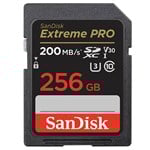
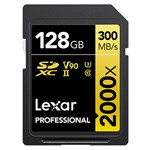
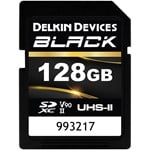
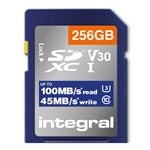
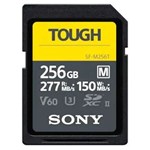
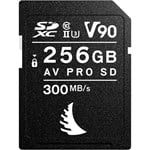
SD cards are the backbone of modern photography and videography, quietly handling everything from high-resolution stills to demanding 4K and 8K video workflows. Whether you’re shooting on a compact camera, mirrorless body, DSLR, or recording audio in the field, the right SD card ensures your data is captured quickly, stored safely, and transferred efficiently.

Frequently Asked Questions
SD cards are one of the most widely used storage formats for cameras, camcorders, and portable devices. Choosing the right card can improve reliability, recording performance, and overall workflow. Understanding capacity types, speed ratings, and compatibility helps ensure your camera performs at its best, whether you're shooting high-resolution photos, continuous bursts, or 4K video.
What is the difference between SD, SDHC, and SDXC cards?
These terms refer to storage capacity ranges. Standard SD cards store up to 2GB, SDHC (Secure Digital High Capacity) cards range from 4GB to 32GB, and SDXC (Secure Digital eXtended Capacity) cards cover 64GB up to 2TB. Most modern cameras support SDHC and SDXC cards, but some older devices may only support standard SD or SDHC formats.
What SD card speed rating do I need for photography or video?
For general photography, a Class 10 or UHS-I card will usually provide reliable performance. If you regularly shoot high-speed bursts, RAW images, or record 4K video, faster cards with UHS-II support or video speed ratings such as V30, V60, or V90 are recommended. Higher speeds allow the camera buffer to clear faster and ensure stable video recording.
What is the difference between UHS-I and UHS-II SD cards?
UHS-II cards feature an additional row of electrical contacts, allowing much faster data transfer speeds compared with UHS-I cards. This can significantly improve file transfer times and help cameras handle demanding shooting modes more efficiently. UHS-II cards are backward compatible with UHS-I devices, but the higher speeds are only achieved when the camera or card reader supports UHS-II.
Can I use a higher-capacity SD card in my camera?
In many cases, yes, but it depends on your camera's compatibility. Modern cameras generally support SDXC cards up to 2TB, while older models may have lower limits. Checking your camera's specifications or user manual will confirm the maximum supported capacity and ensure reliable operation.
Why does my SD card show less storage than advertised?
The advertised capacity is measured using decimal units, while computers and cameras calculate storage using binary units. A small portion of the card is also reserved for the file system that manages data. As a result, the available storage displayed on your device will usually appear slightly lower than the capacity printed on the card.
How can I help extend the lifespan of my SD cards?
Formatting the card in your camera before use helps maintain optimal performance and file structure. Avoid removing the card while data is being written, and store cards in protective cases when not in use. Using high-quality cards from reputable manufacturers and rotating cards between shoots can also help improve reliability over time.